
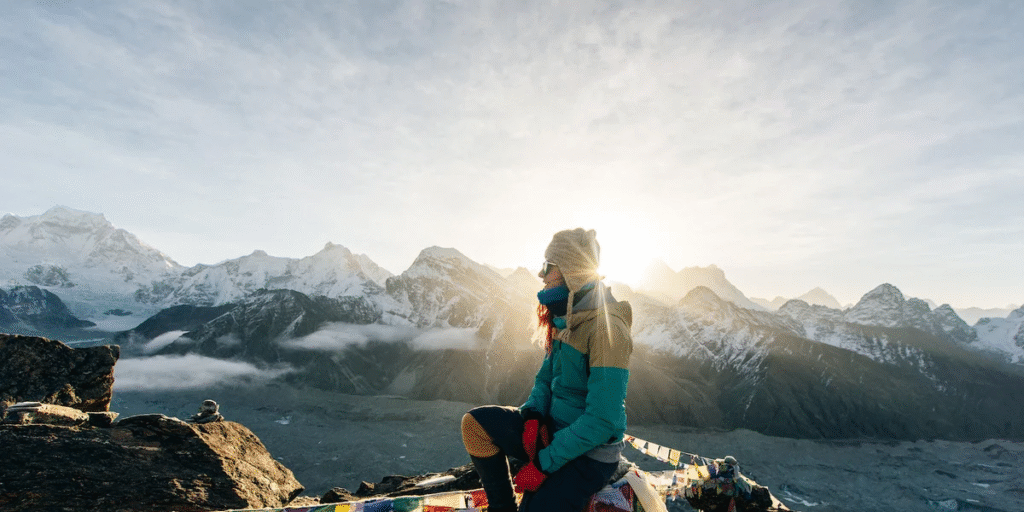
Hiking is one of the most natural and rewarding ways to explore the world around you. It takes you away from busy roads, screens, and routines, and brings you closer to fresh air, open landscapes, and peaceful silence. Whether it is a short walk through a forest trail or a challenging climb up a mountain, hiking gives you a sense of freedom that is hard to find elsewhere. Every step on a trail feels like a small escape into nature, where time slows down and the mind feels lighter.
Why Hiking Is More Than Just Walking
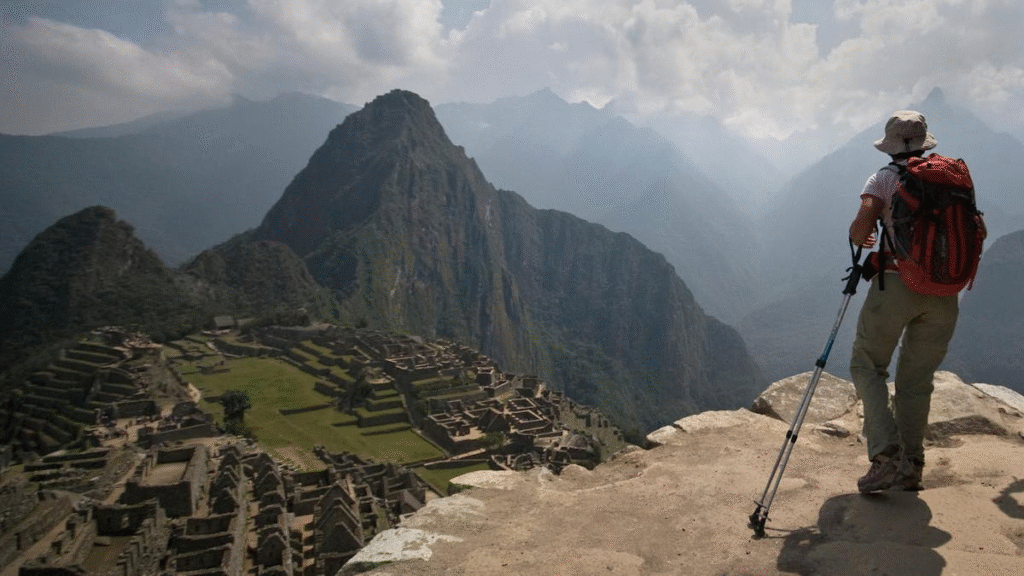
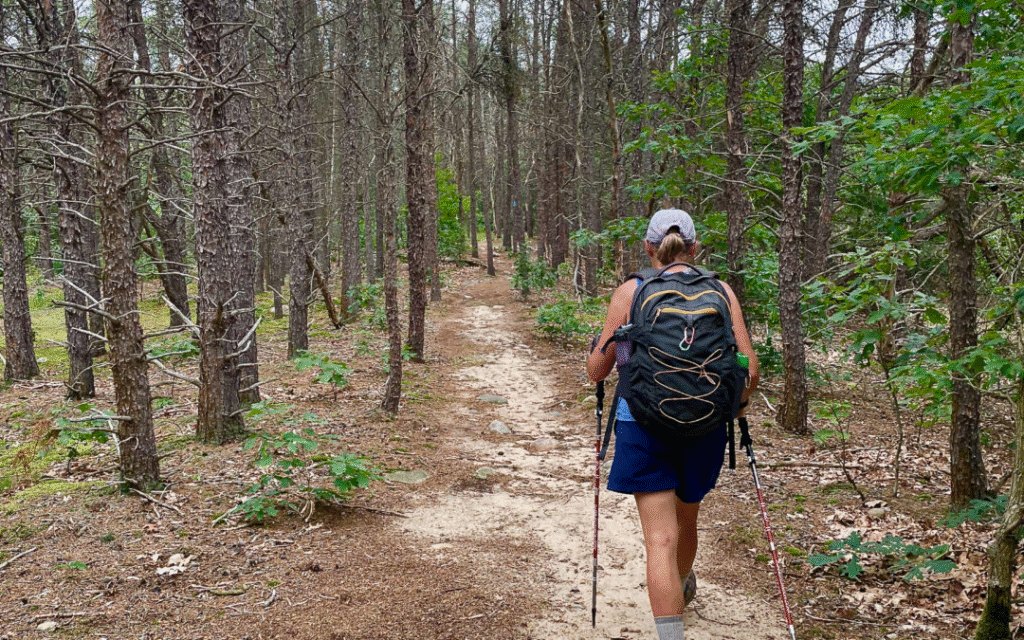
Hiking is often seen as simple walking, but in reality, it is a full experience that engages your body and mind. When you hike, you are not just moving forward on a path—you are observing nature, adjusting to terrain, and challenging your stamina. The sound of birds, the rustling of leaves, and the changing scenery all work together to create a calming effect. Many people also find hiking to be therapeutic because it helps reduce stress and clears mental clutter.
Different Types of Hiking Experiences
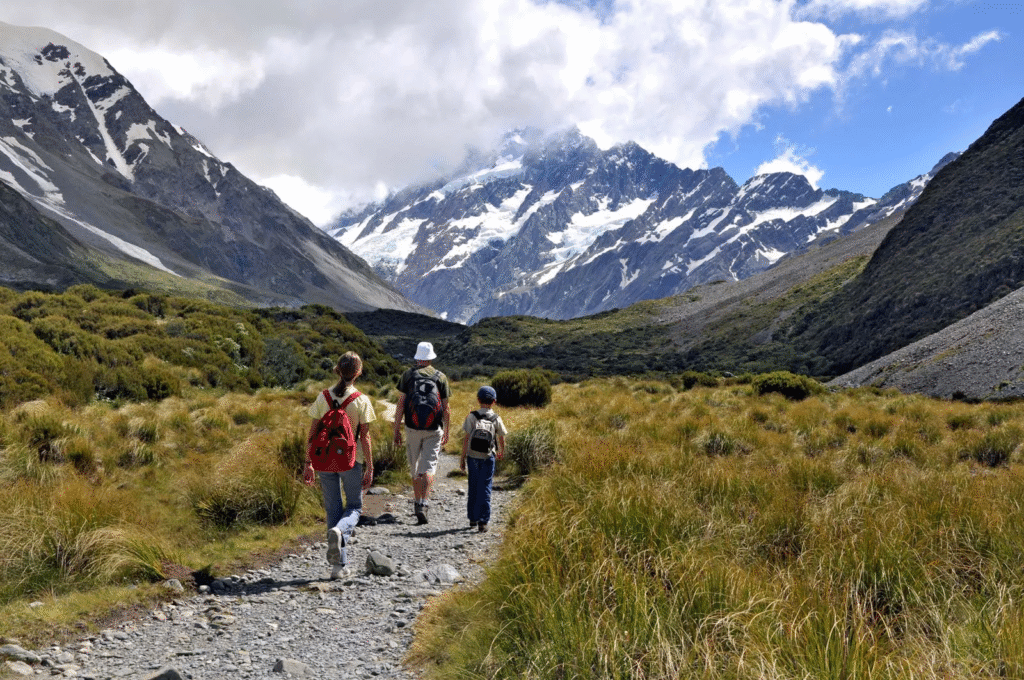
There are many ways to enjoy hiking depending on your comfort level and interest. Some people prefer easy nature trails that are flat and relaxing, while others enjoy mountain hikes that require endurance and determination. Trekking is another form of hiking that usually lasts longer and may involve camping overnight. Jungle hikes offer a more adventurous experience where navigation skills are important, while desert hikes test your resilience in extreme conditions. Each type offers something unique and memorable.
Essential Preparation Before Hiking
Preparation plays a major role in having a safe and enjoyable hiking experience. Before starting any trail, it is important to check the weather conditions and understand the difficulty level of the route. Wearing comfortable shoes with good grip is essential, along with carrying a light backpack filled with necessary items like water, snacks, and a first aid kit. It is also a good idea to inform someone about your hiking plan and expected return time for safety reasons. Proper preparation ensures that you can focus on enjoying the journey instead of worrying about problems.
Importance of the Right Hiking Gear
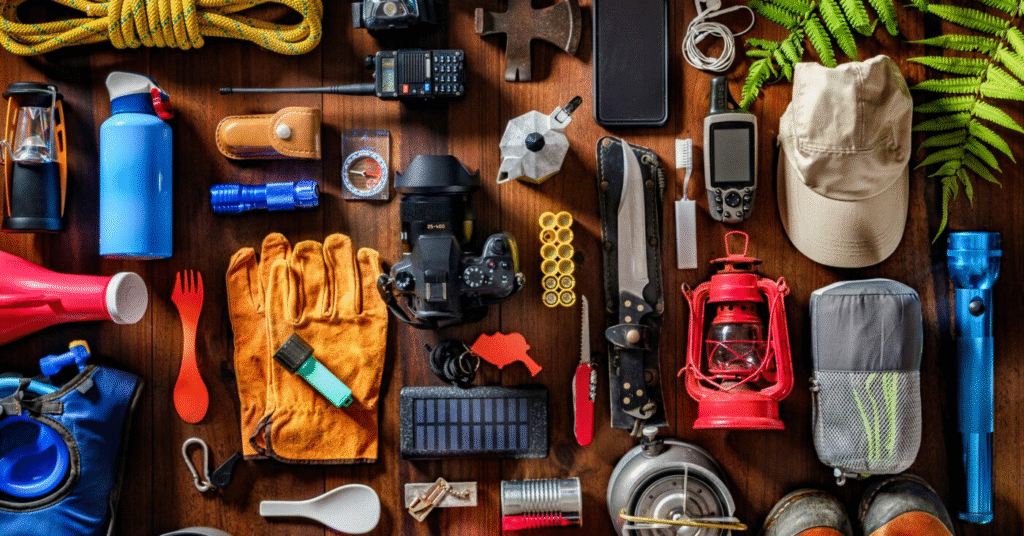
Having the right gear can make a big difference during a hike. A sturdy pair of hiking shoes protects your feet from rough terrain, while a lightweight backpack helps you carry essentials without strain. Clothing should always match the weather, whether it is warm, cold, or rainy. Items like a water bottle, sunscreen, map, and flashlight are small but very important for comfort and safety. Good gear not only improves your experience but also helps you stay prepared for unexpected situations.
Safety Tips Every Hiker Should Follow
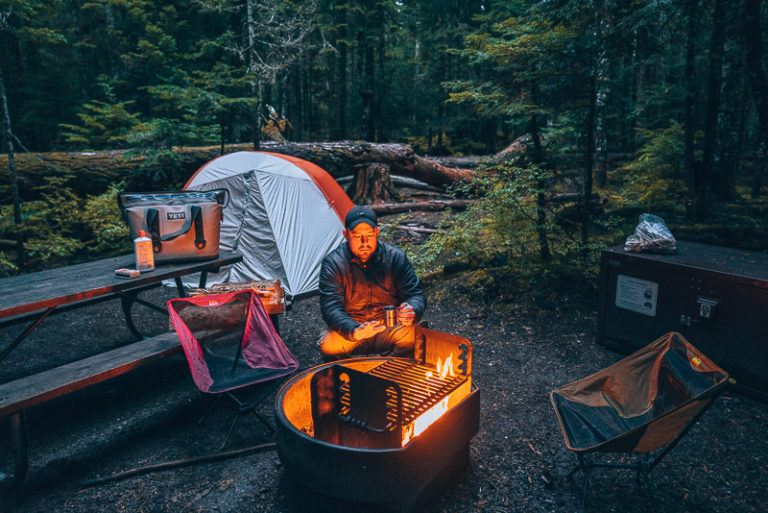
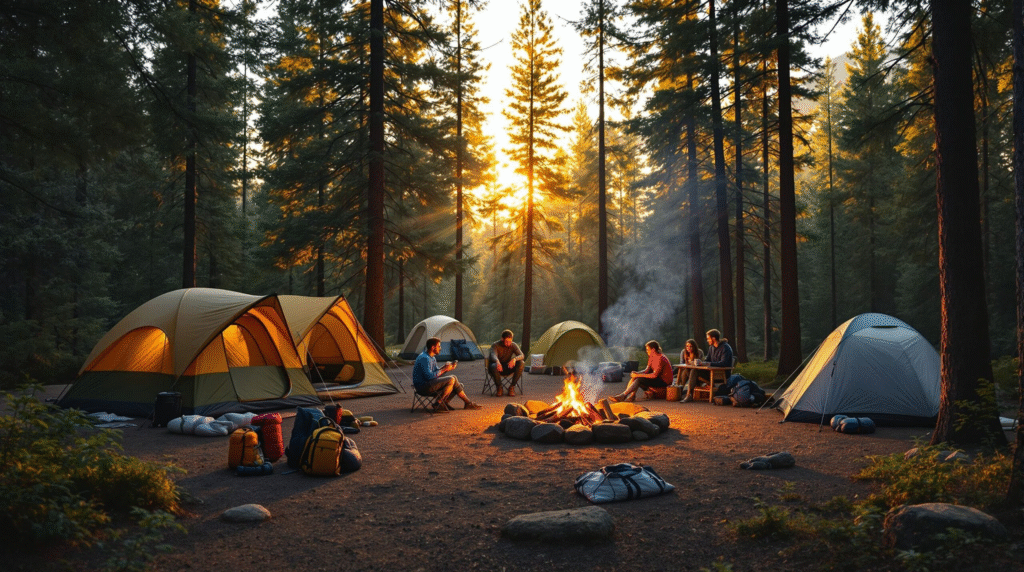
Safety should always be a priority while hiking. It is important to stay on marked trails and avoid taking unknown shortcuts, especially in unfamiliar areas. Carrying enough water and staying hydrated is essential, especially on longer hikes. Starting early in the day helps avoid hiking in darkness and gives enough time to complete the route safely. It is also wise to avoid overestimating your physical limits and take breaks whenever needed. Respecting nature and wildlife is another key part of staying safe outdoors.
Mental and Physical Benefits of Hiking
Hiking is not just good for the body but also for the mind. Physically, it improves strength, stamina, and overall fitness because it involves constant movement on different terrains. Mentally, it helps reduce stress, anxiety, and overthinking by allowing you to disconnect from digital distractions. Many people feel refreshed and more creative after spending time in nature. The peaceful environment and rhythmic walking motion create a natural form of relaxation that benefits mental health in a powerful way.
Common Mistakes to Avoid While Hiking
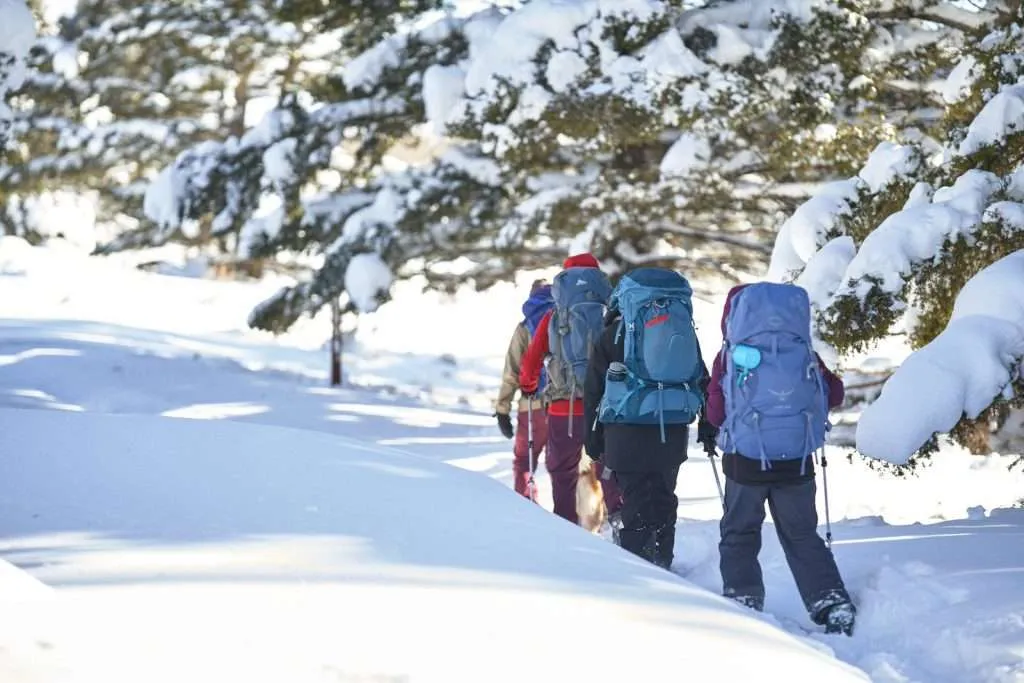
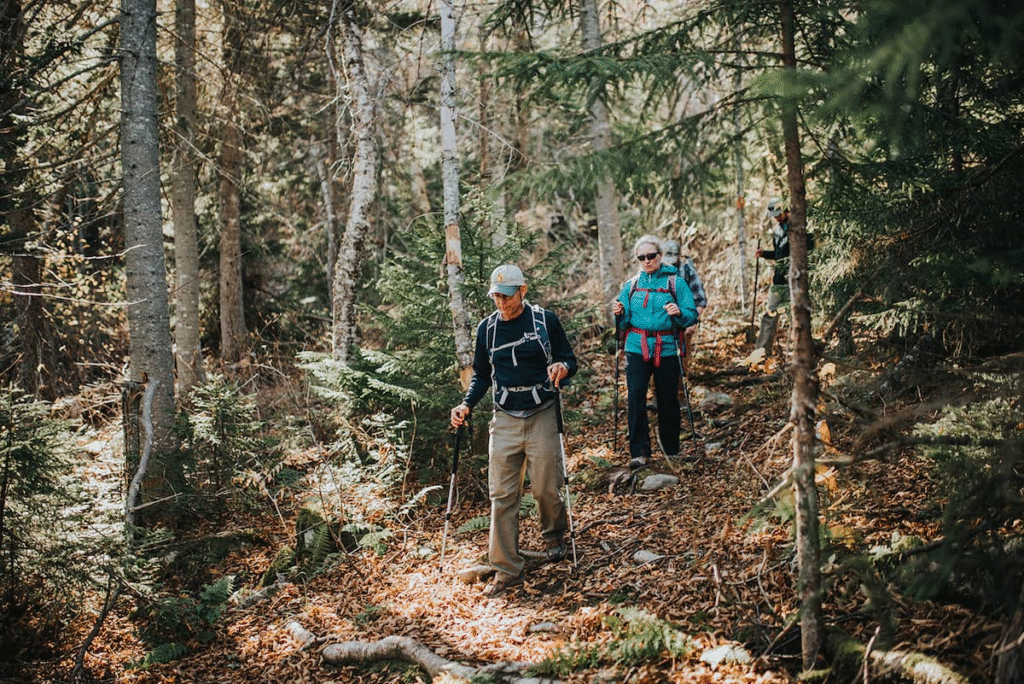
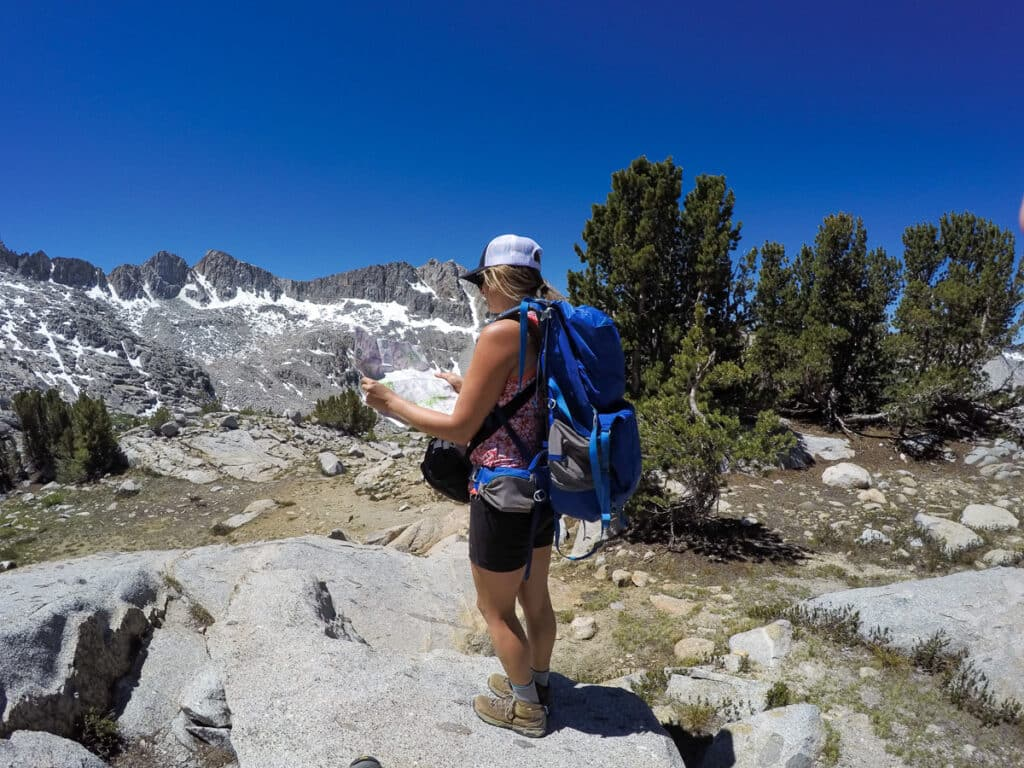
Even experienced hikers sometimes make mistakes that can affect their journey. One common mistake is carrying too much weight, which makes hiking tiring and uncomfortable. Another is wearing new shoes without testing them beforehand, which can cause blisters. Ignoring weather forecasts or starting hikes too late in the day can also lead to unnecessary risks. Some hikers forget to carry enough water or stray off marked paths, which can be dangerous. Avoiding these mistakes helps ensure a smoother and safer experience.
Amazing Destinations: Best Places to Visit Worldwide
We’ve all felt it: stepping into a new place and instantly feeling refreshed. New air,…
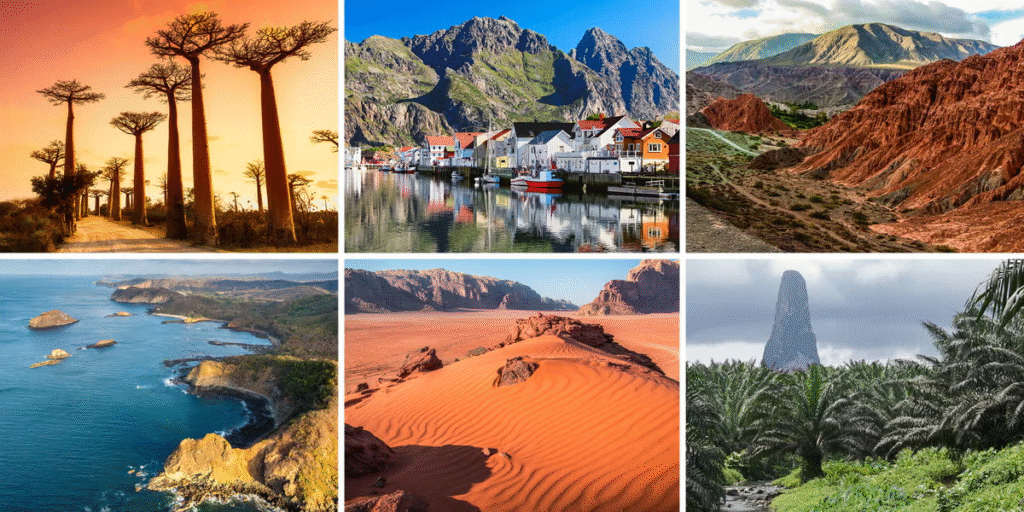
15 Best Hidden Travel Destinations for 2026 You Should Visit Now
Nobody wants to spend six months of savings waiting in miserable lines. These hidden Destinations…

Finnair Review: Everything You Need to Know Before Flying in 2026
Planning an international trip takes a lot of moving parts. Beyond just picking dates and…
