
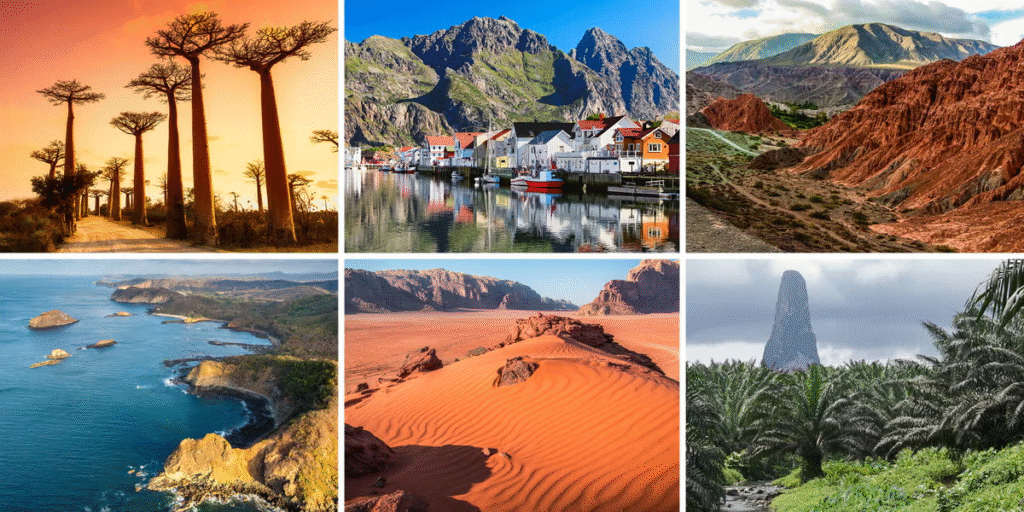
We’ve all felt it: stepping into a new place and instantly feeling refreshed. New air, lively streets, and unfamiliar sounds replace daily stress. Travel sparks curiosity and gives us a chance to explore Destinations : Discover Beautiful Places to Visit, make memories, and see the world differently.
Travel has a quiet way of resetting our minds and reminding us how big the world really is.
Yet with endless viral clips and glossy bucket lists competing for our attention online, picking your next trip can feel surprisingly exhausting. Between hyper-edited videos, sponsored top-ten lists, and the pressure to see every famous landmark, how do you pick a journey that leaves you feeling restored rather than burnt out?
The secret isn’t asking “Where is popular right now?” It’s asking: “What state of mind do I want to be in when I come back?”
1. Match Your Destination to What You Need Right Now
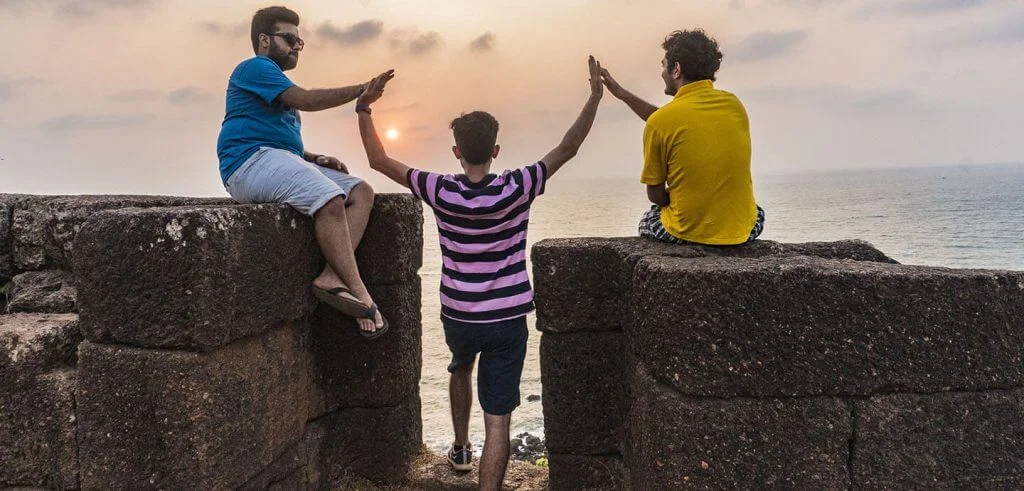
A trip isn’t just a picturesque backdrop for photos—it dictates the physical pace of your days, determines what fuels you, and shapes the sensory world your mind processes from morning to night.
When you book based only on visual hype, it’s easy to pick the wrong environment. A high-energy, multi-million-person city packed with art galleries and busy avenues might be thrilling if you are seeking inspiration. But if you’re already dealing with heavy work burnout, that same trip might leave you needing a vacation from your vacation.
Before checking ticket prices or browsing hotels, consider what your mind and body are actually asking for:
- For Mental Recovery: Look toward quiet coastal stretches, small countryside rentals, mountain valleys, or small island towns where time naturally moves without a strict schedule.
- For Creative Spark: Head toward historic crossroads, regional food capitals, vibrant artisan hubs, or places famous for architecture, crafts, and neighborhood markets.
- For Physical Vitality: Seek out mountain ranges, coastal walking trails, national parks, or regions centered around active outdoor movement.
2. Identify Your Natural Travel Style
Everyone experiences new places differently. Recognizing what genuinely makes you happy on a journey makes narrowing down the map much simpler.
The Coastal & Water Escape
There is a proven, measurable calm that comes from staying near open water. The wide ocean horizon breaks up the visual clutter of dense city living, while the steady rhythm of waves helps quiet an overstimulated nervous system.
A good water-focused trip isn’t about lying flat in an expensive resort—it’s about simple, low-key routines: morning walks along a fishing harbor, fresh meals caught hours earlier, and relaxed afternoons where no one is checking their watch.
- Where to Look: The quieter coastal stretches of Portugal, lesser-visited Mediterranean islands like Naxos or Milos, or small coastal villages along Southeast Asia.
- Practical Advice: Stay a 10-minute walk back from the main beach strip. You’ll enjoy quieter nights, warmer local hospitality, and pay significantly less.
Historic & Living Cities
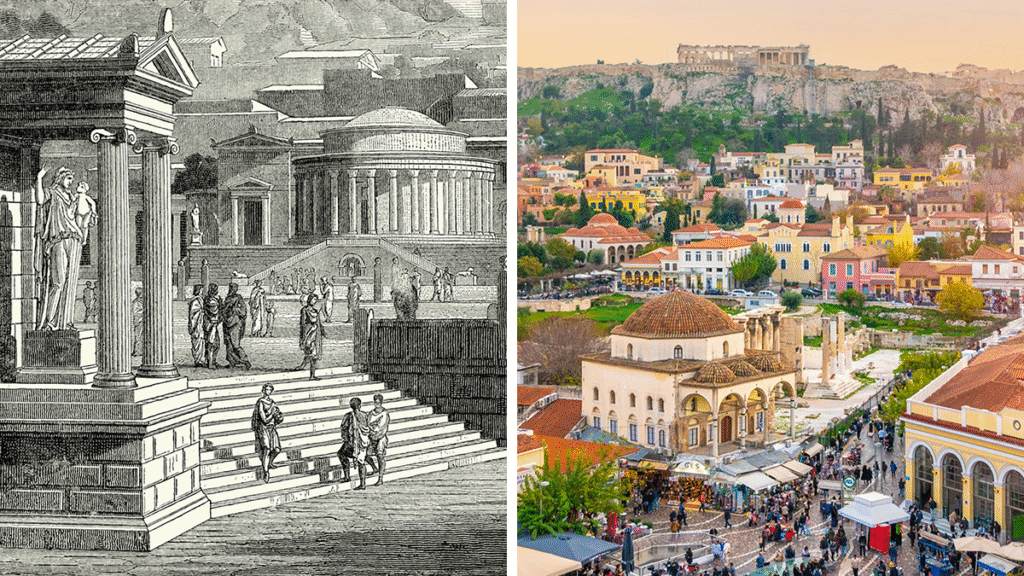
For anyone fascinated by human history, architecture, and food, older cities function like open-air museums. The real magic of an ancient city rarely comes from standing in an hour-long ticket line for a famous monument—it’s found in the centuries-old routines around you.
It’s sitting in a neighborhood café, walking down stone alleys worn smooth by generations of footsteps, and sitting in public squares watching local life unfold in the late afternoon.
- Where to Look: The side streets of Kyoto, the old quarters of Edinburgh or Prague, or historic hubs like Oaxaca and Fez.
- Practical Advice: Limit yourself to one main attraction per day. Keep your afternoons completely open to wander aimlessly without feeling guilty about a missed schedule.
| Travel Focus | Core Mental Benefit | Main Pitfall to Avoid |
| Coastal & Water | Calms stress and mental noise | Overcrowded beach resort strips |
| Historic & Cultural | Inspires fresh ideas and perspective | Packing too many sights into one day |
| Mountains & Wilderness | Builds physical energy and presence | Ignoring sudden changes in high-altitude weather |
| Food & Culinary | Connects you directly with local life | Eating at tourist restaurants with picture menus |
Mountain Ranges & High Altitudes
High places have a unique way of putting everyday worries into perspective. Massive granite peaks, fresh alpine air, and broad valleys encourage you to slow down and stay grounded in the moment.
Whether it’s summer hiking among alpine trails or quiet winter retreats in mountain villages, high-altitude regions offer a complete break from modern city noise.
- Where to Look: The Julian Alps in Slovenia, the Caucasus mountains in Georgia, or the trails of the Canadian Rockies.
- Practical Advice: Respect the mountain environment. Weather turns fast in high country, so pack proper layers and check local trail reports before setting out.
3. Beat Overtourism with the “Shoulder Season” Strategy
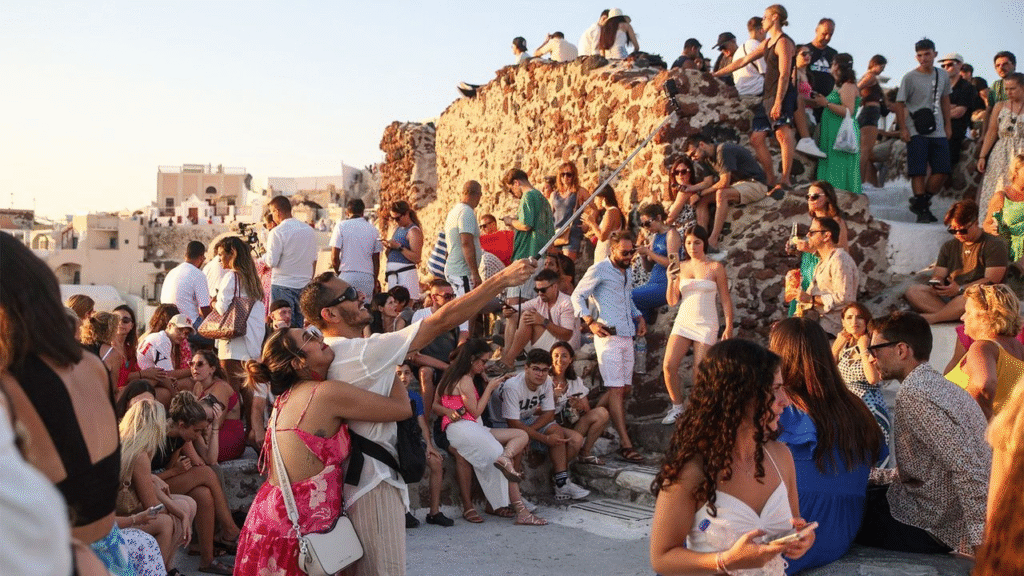
Overtourism ruins the experience for both travelers and local hosts. Fighting through crowded streets in mid-summer heat strips away the warmth and depth of being somewhere new.
You don’t need to cross iconic places off your list entirely—you just need to adjust your timing or shift your geography slightly.
- Travel in the “Shoulder” Months: Visit southern Europe in April, May, September, or October, or travel to tropical regions right as the seasonal rains taper off. The weather remains pleasant, prices drop significantly, and locals have more time for genuine interaction.
- Embrace “Second Cities”: Consider visiting a region’s second or third largest city instead of the capital. Try Porto instead of Lisbon, Osaka instead of Tokyo, or Glasgow instead of London. You’ll find rich, authentic culture with a fraction of the crowds.
4. Build a Realistic, Low-Stress Travel Budget
Financial worry will ruin a trip faster than rainy weather. A practical budget accounts for real-world costs, avoiding the surprise expenses that cause post-vacation stress.
                      REALISTIC TRAVEL BUDGET
 ┌────────────────┐ ┌────────────────┐ ┌────────────────┐ ┌────────────────┐
 │ Transit        │ │ Accommodation  │ │ Daily Living   │ │ Buffer Cushion │
 │ Flights, trains│ │ Guesthouses or │ │ Food, coffee,  │ │ 15% emergency  │
 │ and car rental │ │ apartments     │ │ and entry fees │ │ contingency    │
 └────────────────┘ └────────────────┘ └────────────────┘ └────────────────┘
- Fixed Transit: Long-distance flights, regional train passes, or car rentals.
- Where You Stay: Book self-catering apartments for parts of the trip. Preparing simple breakfasts or lunches lets you save your budget for memorable evening meals out.
- Daily Expenses: Meals, coffee, public transit fares, and museum entries.
- The Safety Buffer: Set aside a strict 15% emergency cushion. Knowing you have cash reserved for an unexpected cab ride or medical supplies keeps minor hiccups from ruining your trip.
5. Three Simple Rules for a More Fulfilling Trip
- Ditch the Checklist Mentality: Trying to cover five cities in seven days isn’t travel—it’s fast-paced commuting in a foreign country. Pick fewer places and stay longer in each. Depth always creates better memories than speed.
- Leave Afternoons Unplanned: The best travel memories usually aren’t planned—they happen when you stumble onto a hidden bakery, a lively neighborhood market, or a conversation with a local shopkeeper.
- Learn a Few Local Words: Spending ten minutes to learn “hello,” “please,” and “thank you” in the native language shows respect and instantly changes how people welcome you.
At its core, meaningful travel is an exercise in presence. It pulls us out of routine and reminds us how wide and diverse the world really is. Pick a place that fits where you are mentally right now, pack lighter than you think you need to, leave space for surprise detours, and let the journey unfold naturally.
FAQs
1. How do I choose between an active trip and a quiet rest?
If your mind feels drained, pick a slow getaway by the ocean or countryside to unwind sitting at a desk has made you restless, go for a trip filled with hiking and exploring.
2. Is it really worth booking during the “shoulder season”?
Yes, you’ll get great weather, lower accommodation rates, and far smaller tourist crowds Locals are much less stressed, leading to friendlier conversations and better service.
3. How long should I stay in one spot to avoid burnout?
Stick to at least three or four nights per base so you can unpack and settle in properly Moving hotels every night turns your vacation into an exhausting series of check-ins.
4. How do I travel well without spending a fortune?
Stay a short walk outside the main tourist hub and use local public transit Making simple breakfasts at your guesthouse saves your money for great evening meals out.