
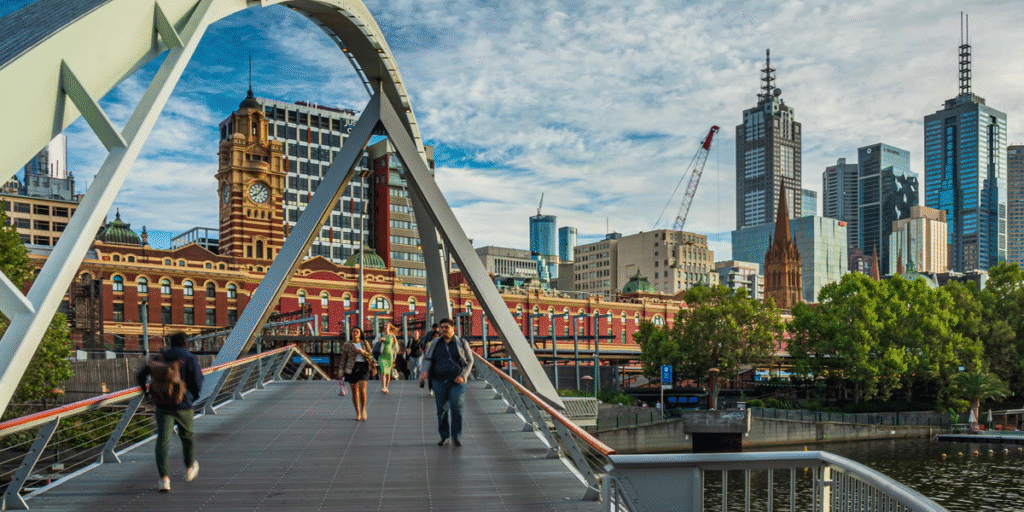
Nobody wants to spend six months of savings waiting in miserable lines. These hidden Destinations offer peaceful escapes, better views, and memorable travel experiences.
The real flex when you travel today isn’t checking off a crowded monument. It’s breathing room. It’s waking up somewhere quiet, eating actual local food cooked by someone who cares, having a real conversation with a stranger, and finding places that haven’t been sanitized and turned into theme parks for mass tourism.
While cities like Paris, Rome, and Barcelona keep battling severe overtourism, a lot of us are quietly changing direction. We’re skipping the usual tourist traps for quiet coastal towns, wild mountain ranges, and places where local life still belongs to the people who live there.
And look—”underrated” doesn’t mean you need to strap on a machete and hack through an unexplored jungle. These places are easy to get to, safe, and wildly welcoming—they just haven’t been swallowed whole by tour buses yet.
If you’re mapping out your escapes for the rest of 2026 and looking ahead, here are 15 incredible spots that are actually worth your time.
1. Mestia, Georgia
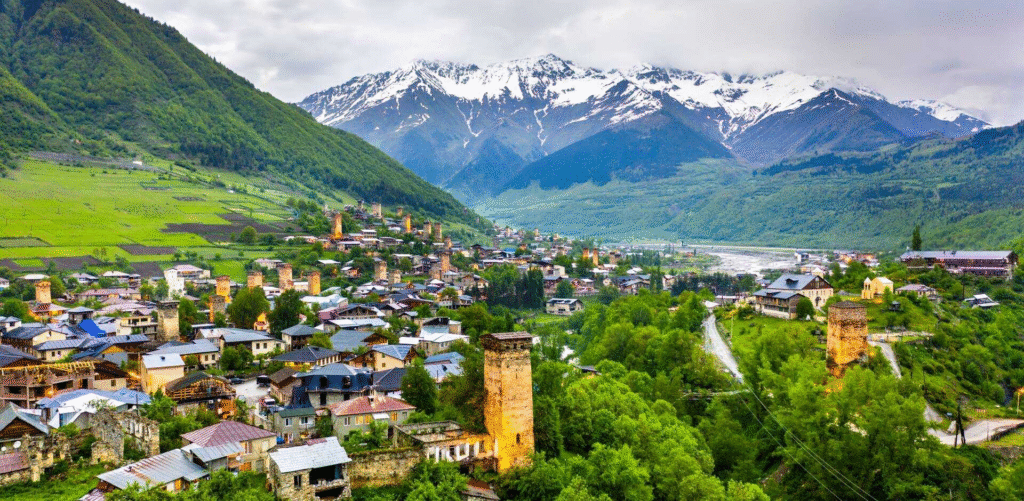
Tucked high up in the Greater Caucasus, Mestia is the beating heart of Georgia’s wild Svaneti region. If you’re into dramatic, jagged peaks and raw history, walking around here feels like waking up in the Middle Ages.
The first thing you’ll notice are the Svan towers—these imposing stone defense towers built between the 9th and 12th centuries to protect local families from invaders and mountain avalanches.
- The move: In the summer, it’s absolute heaven for hikers. You can do easy day walks out to the Chalaadi Glacier or lock in the classic multi-day trek to Ushguli (one of the highest year-round villages in Europe). In the winter, nearby Tetnuldi has gorgeous, empty ski slopes that cost a fraction of anything in the Alps.
- Eat this: Grab a piping-hot Kubdari—a thick, buttery flatbread stuffed with spiced pork and beef—and pair it with Elarji, which is basically a glorious, stretchy mashup of cornmeal and melted local cheese.
2. Alonnisos, Greece
While Santorini and Mykonos spend all summer suffocating under cruise ship crowds, Alonnisos sits quietly out in the Aegean, keeping the classic Greek island dream alive without the headache.
Part of the Northern Sporades group, it’s wrapped in pine forests, olive groves, and shockingly clear pebble bays. The whole island operates on a slow, easy frequency.
- The move: It holds the largest marine protected area in Europe, making it a refuge for the super-rare Mediterranean monk seal. If you swim, snorkel, or dive, it’s paradise. You can even dive down to ancient underwater shipwrecks, including a 5th-century BC cargo ship sitting off the islet of Peristera.
- Insider tip: Lose yourself for an evening in the steep, narrow alleys of Chora (the Old Town) high up on the hill, watch the sun drop into the sea, then drift down to a waterfront taverna for whatever the fishermen brought in that afternoon.
3. The Albanian Alps, Albania
Albania’s southern beaches are getting discovered fast, but if you head straight north, the Albanian Alps—locally called the “Accursed Mountains”—are still delightfully untamed.
The landscapes up here easily hold their own against the Dolomites or the Swiss Alps, but you get to enjoy them without the soul-crushing costs or crowded trails.
- The move: The absolute rite of passage is the day hike between the tiny mountain villages of Theth and Valbona. You’ll cross high pass saddles, trek through lush valleys, and wind past chalk-white limestone peaks and freezing mountain springs.
- Why it hits different: The hospitality up here is unmatched. Remote mountain families will literally open their traditional stone homes (kulla) to trekkers, serving up hot mountain tea, fresh salty cheeses, warm homemade bread, and slow-roasted stews at big shared tables.
4. Faroe Islands
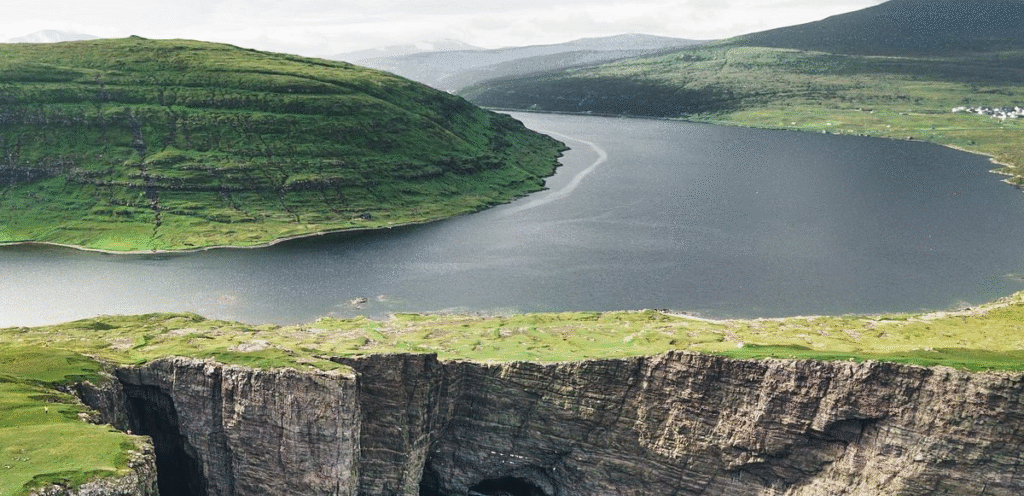
Floating in the middle of the North Atlantic between Iceland and Norway, the Faroes feel less like a holiday and more like stepping onto an alien planet. This scattered cluster of 18 volcanic islands is all about dramatic vertical cliffs, bright green turf roofs, and waterfalls pouring straight off mountainsides into the ocean.
- The move: Skip the idea of city touring—your time here is all about nature in its rawest form. Drive through crazy underwater sea tunnels, hike to the cliffside lake at Sørvágsvatn that looks like it’s floating above the ocean, watch puffins on Mykines, or stand in awe of the Gasadalur waterfall.
- Reality check: The weather here does whatever it wants, whenever it wants. You can easily get blasted with sunshine, thick fog, sideways rain, and snow within a two-hour window. Buy real waterproof layers and keep your plans flexible.
5. The Azores, Portugal
Often dubbed the “Hawaii of Europe,” the Azores are a lonely group of nine volcanic islands sitting way out in the middle of the Atlantic.
Because local authorities put hard caps on mega-resort developments years ago, these islands have managed to stay remarkably green, wild, and unspoiled.
- The move: On the main island, São Miguel, you’ve got to check out the giant crater lakes at Sete Cidades and the thermal valleys of Furnas—where local cooks bury heavy pots of meat stew (Cozido) directly into the hot, steaming earth to slow-cook for hours.
- Wildlife: Besides hiking crater rims and soaking in hot thermal springs, this is one of the best spots on earth for whale watching. Blue whales, sperm whales, and pods of wild dolphins pass through all year long.
6. Soča Valley, Slovenia
Most people heading to Slovenia line up for Lake Bled or hang out in Ljubljana. But if you cut west toward the Italian border, you hit the unreal Soča Valley.
The main event here is the Soča River itself—a river so vividly turquoise it honestly looks like someone poured food coloring into the water.
- The move: This is Europe’s low-key capital for outdoor junkies. Go white-water rafting, canyoning, kayaking, or fly-fishing for the giant native Marble Trout. Prefer walking? Hit the Soča Trail or hike the Walk of Peace, an open-air historical route that follows old WWI frontline mountain trenches.
- The food scene: Surprisingly, this valley has turned into an absolute powerhouse for foodies, driven largely by chef Ana Roš at her legendary restaurant Hiša Franko, which cooks almost exclusively with hyper-local mountain ingredients.
7. Montenegro’s Northern Mountains
The coastal Bay of Kotor gets absolutely hammered by massive cruise ships every summer, but if you drive inland toward northern Montenegro, you’ll hit deep, silent mountain wilderness.
Durmitor National Park is the crown jewel here. Based around the tiny mountain hub of Žabljak, the park is packed with 18 icy glacial lakes (the locals call them “Mountain Eyes”), heavy pine forests, and dramatic gray peaks.
- The move: Scramble up Bobotov Kuk for ridiculous panoramic views across the whole region, or head over to the Tara River Canyon. It’s the deepest canyon in Europe, offering epic white-water rafting and a wild zip-line run past the historic Đurđevića Tara Bridge.
8. The Rhodope Mountains, Bulgaria
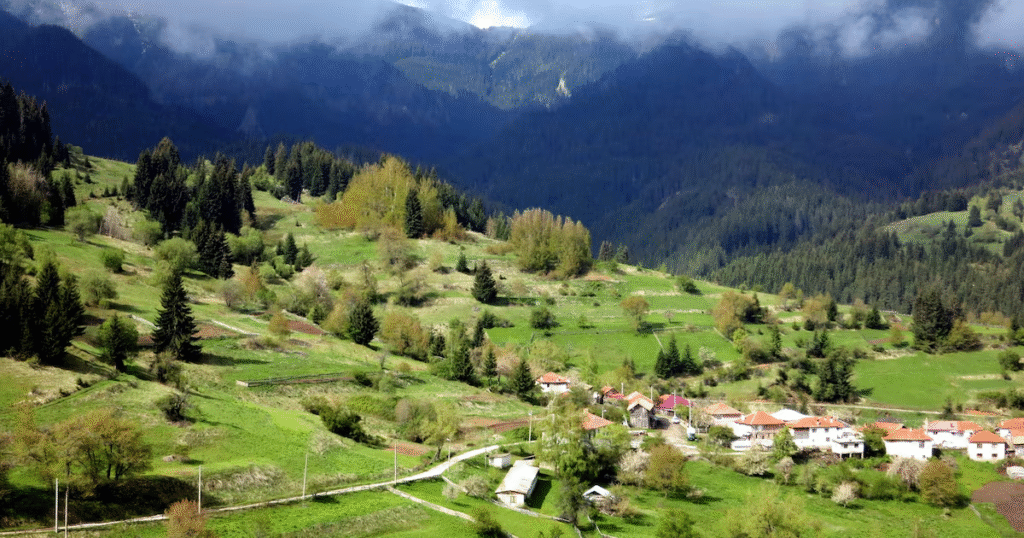
Running along southern Bulgaria right near the Greek border, the Rhodope Mountains are a world of deep pine forests, dramatic river gorges, quiet stone villages, and old mountain legends (mythology says Orpheus was born right here).
- The move: This region was practically made for slow, scenic road trips. Explore mysterious underground cave networks like Devil’s Throat and Yagodina, drive through the towering rock walls of Trigrad Gorge, and crash at traditional stone-and-wood village guesthouses in spots like Shiroka Laka.
- Why now: It remains one of the absolute cheapest places to travel in Europe. You can gorge on fresh wild mushroom stews, mountain berry preserves, and rich local cheeses for next to nothing.
9. Northern Jordan
When most people plan a trip to Jordan, they think of the desert dunes of Wadi Rum, the carved stone of Petra, or floating around in the Dead Sea. But the northern highlands are a completely different vibe—green, rolling hills, ancient olive groves, and cool breezes.
- The move: Check out Ajloun Castle (a 12th-century fortress built to hold off Crusaders) and wander through Jerash, which is easily one of the best-preserved ancient Greco-Roman cities on earth. Trail lovers can spend a day hiking through the Ajloun Forest Reserve.
- Grassroots travel: Northern Jordan is leading the way in community-driven tourism. You can drop in on home-cooking workshops, join local families for olive harvests, forage for wild herbs, and stay in small rural homestays.
10. Whitehorse, Yukon, Canada
If your dream trip involves vast open skies, crisp northern air, and real-deal wilderness, Whitehorse delivers in spades. Framed by lakes and snow-covered peaks, this frontier city is the ultimate launchpad into the Canadian subarctic.
- In the summer: Thanks to the “Midnight Sun,” you get almost 24 hours of daylight to paddle down the iconic Yukon River, trek high alpine ridges, and keep your eyes peeled for moose, bears, and Dall sheep.
- In the winter: Once autumn rolls in and the dark returns, Whitehorse becomes one of the absolute top spots on the planet to sit back and watch the Northern Lights (Aurora Borealis) blaze across the sky.
11. Dili, Timor-Leste
Want to get completely off the tourist grid in Southeast Asia? Head straight to Timor-Leste. Tucked just north of Australia, this young nation mixes rich indigenous Timorese culture with old Portuguese colonial roots.
The capital, Dili, is a relaxed, slow-moving coastal city where most journeys start.
- The move: After taking in Dili’s coastal markets, jump on a boat over to Atauro Island. Marine biologists tested the waters here and found they actually harbor the highest reef fish diversity anywhere on Earth. It’s an untouched paradise for diving, snorkeling, and spotting migrating whales.
- Heads up: Tourism infrastructure here is super fresh and minimal. Travel requires patience, a flexible attitude, and carrying cash—but getting to experience a place this raw is well worth it.
12. São Tomé and Príncipe
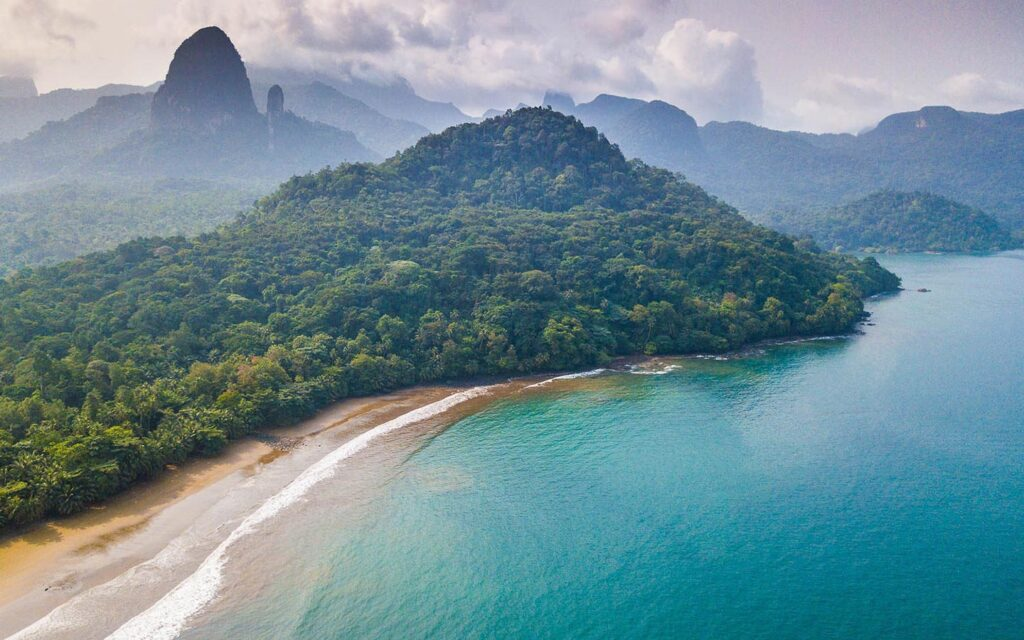
Plunked down in the Gulf of Guinea off the coast of Central Africa, São Tomé and Príncipe is Africa’s second-smallest country—and one of its least visited. It feels like stepping into a forgotten tropical paradise of misty rainforests, historic cocoa plantations (roças), and totally empty golden beaches.
- The move: Huge chunks of the islands are protected inside Obo National Park. You can trek deep into humid jungles, spot endemic birds, and stand at the base of Pico Cão Grande—an insane, needle-like volcanic tower shooting over 1,000 feet straight out of the forest canopy.
- The vibe: Life here centers on a local motto: leve leve (“take it easy”). It’s the kind of place where you switch your phone off, eat incredible organic single-origin chocolate, and let the rest of the world fade away.
13. Picos de Europa, Spain
Everyone knows Spain for its sunny Mediterranean coastlines, but up on the green northern edge sits the jagged Picos de Europa mountain range. Spanning Asturias, Cantabria, and León, this national park feels like an entirely different country.
- The move: Catch the Fuentedé cable car straight up into the high limestone crags, or tackle the famous Cares Gorge trail—a cliffside path carved directly into the sheer rock walls of a river canyon. Don’t skip the alpine lakes and mountain sanctuary at Covadonga, either.
- Food focus: Northern Spain is an absolute dream for food lovers. Finish a long day on the trails with a hot bowl of Fabada Asturiana (a heavy bean and chorizo stew) and a wedge of funky Cabrales blue cheese, washed down with poured-from-height local dry cider.
14. Përmet, Albania
While coastal spots like Ksamil jam pack with beach crowds every July and August, Përmet in southeastern Albania stays delightfully calm. Set alongside the Vjosa River—one of the last totally wild, free-flowing rivers left in Europe—Përmet is known across the country as the “City of Roses.”
- The move: The big pull here is the Benja Thermal Baths. These are warm, natural sulfur pools sitting outdoors, framed perfectly by an 18th-century Ottoman stone bridge.
- Outdoor fixes: It’s also an awesome hub for active days out. You can raft down the Vjosa, trek through Hotova-Dangelli National Park, and sample artisanal Gliko (a sweet candied fruit preserve made by local families).
15. Flores, Indonesia
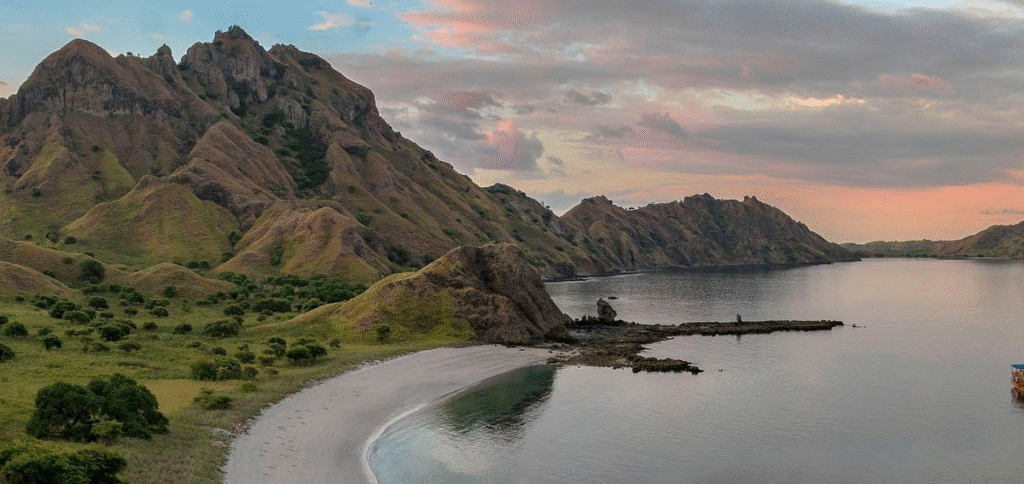
Bali gets millions of visitors pounding its pavement every year, but Indonesia has thousands of other islands—and Flores is easily one of the most rewarding. While a lot of people just pass through Labuan Bajo to see the Komodo dragons, taking a land trip through the interior of Flores is where the magic happens.
- The move: Head up to Kelimutu National Park to stand above three volcanic crater lakes that randomly change colors—shifting from bright turquoise to dark green, red, or black—thanks to volcanic minerals dissolving under the surface.
- Culture: Take the trek up to Wae Rebo, a hidden mountain village famous for its tall, cone-shaped wooden houses (Mbaru Niang) tucked away in the clouds.
FAQs
Aren’t these places a total nightmare to actually reach?
Honestly, no. You won’t be flying direct from JFK into a tiny mountain village, but that’s kind of the point. Most of these spots are just a quick regional flight, a ferry ride, or a couple of hours’ drive from a major airport. You don’t need a machete, a four-wheel-drive rig, or an expedition budget—just a little extra patience while connecting the dots.
Is it actually safe going way off the main tourist track?
In most cases, these places are way safer than major capitals. You’re far less likely to deal with pickpockets or travel scams in the Albanian mountains or rural Georgia than you are standing outside the Colosseum or the Eiffel Tower. Your biggest “risk” is usually just misreading a bus timetable or running into a spot with no cell service.
What happens if nobody speaks English?You figure it out, and honestly, it’s usually part of the fun. Google Translate (download the offline language pack before you go!) and basic hand gestures carry you through 95% of situations. Plus, people in less-visited places tend to be insanely patient and welcoming—they actually want to help you, unlike burnt-out workers in over-touristed hotspots.
Can I do these trips solo, or bring my kids along?
- Solo: Places like the Azores, Slovenia, or Georgia are incredible for solo travelers. The guesthouse culture in these regions means you’ll instantly meet other people or get taken under the wing of a local family.
- With family: Spots with a slow pace and tons of nature—like Alonnisos, Northern Jordan, or Spain’s Picos de Europa—are amazing for kids. You get safety, open air, and zero stress about losing someone in a sea of tour groups.
When should I actually go?
For European mountain and coastal spots, late spring through early autumn (May to September) gives you the best weather, open hiking trails, and lively village squares. If you’re heading somewhere like the Yukon for the Northern Lights, you’ll want the dark, crisp window between September and April.
How do I avoid being “that tourist” in a tiny town?
t’s pretty simple: keep your money in the neighborhood. Sleep at family-run B&Bs instead of big resort chains, eat at the local spot with no English menu, and hire local guides when you hit the trails. Treat people’s hometowns like someone’s living room, pack out your trash, and leave the place looking like you were never there.