
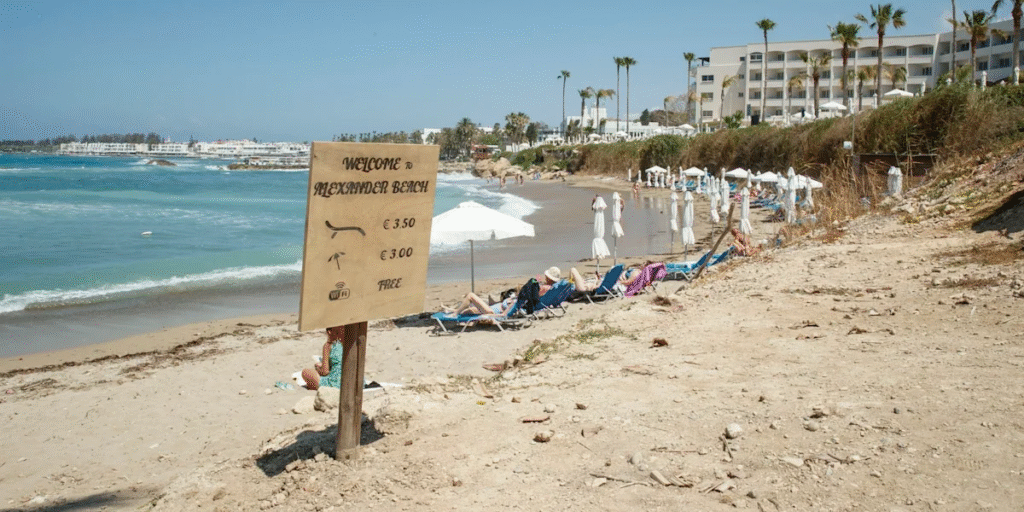
For years, Cyprus was considered one of the Mediterranean’s most reliable holiday destinations. Known for its crystal-clear beaches, lively nightlife, ancient history, and sunny weather almost year-round, the island attracted millions of tourists from across Europe and beyond. From luxury resorts in Paphos to party hotspots in Ayia Napa, tourism became the backbone of the Cypriot economy.
But in 2026, the conversation around Cyprus tourism has changed dramatically. Reports of falling bookings, quieter beaches, and reduced international arrivals have sparked concerns about the future of the island’s travel industry. Many travelers are now asking the same question: what happened to Cyprus tourism?
The Sudden Drop in Tourist Numbers
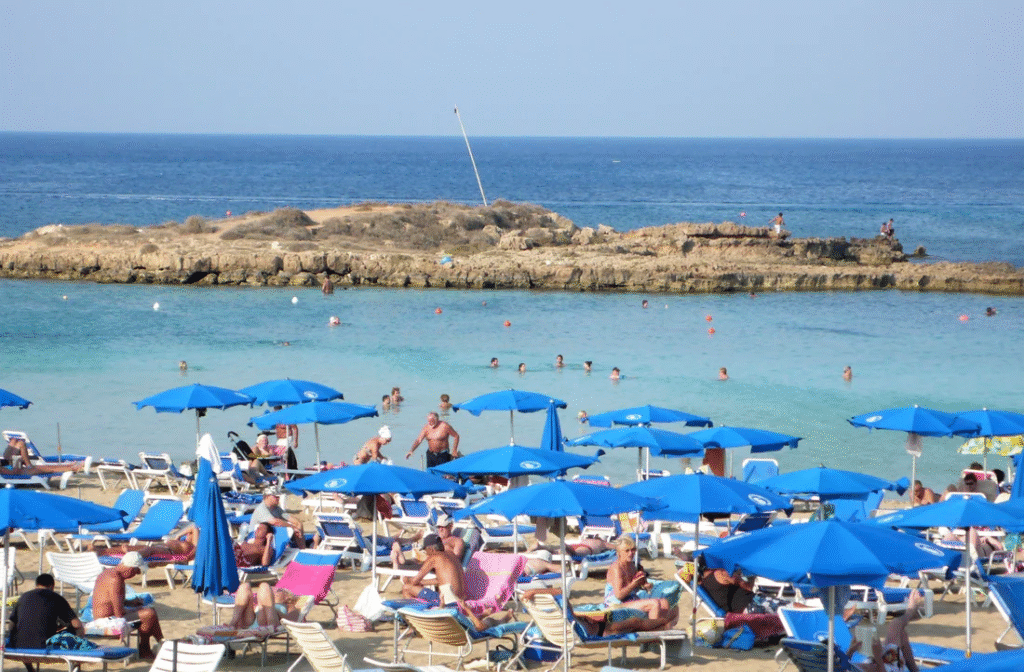
The tourism slowdown did not happen overnight. Industry experts began noticing weaker booking trends earlier in the year, especially from key European markets like the UK, Germany, and Scandinavia. Hotels that were once fully booked during peak summer months started offering heavy discounts just to attract visitors.
Some regions on the island reported significantly lower tourist activity compared to previous years. Restaurants, beach clubs, and local businesses that depend heavily on seasonal tourism also felt the impact. The once-crowded promenades appeared noticeably quieter, creating concern among business owners and residents alike.
Rising Travel Costs Are Pushing Tourists Away
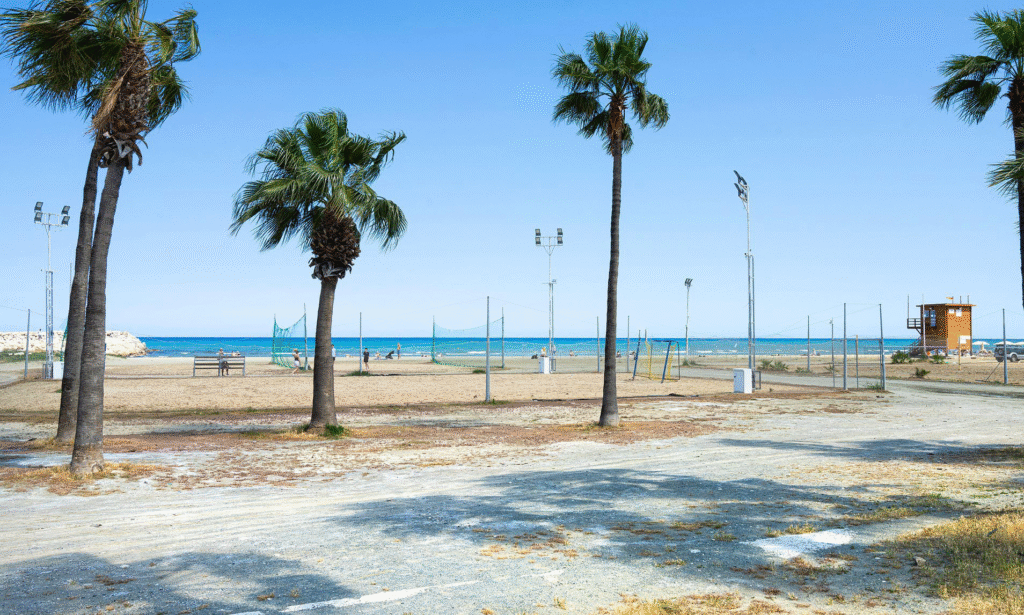
One major factor behind Cyprus’ tourism decline is the rising cost of travel. Flights across Europe have become more expensive due to fuel price increases and airline operational costs. Accommodation prices in popular tourist areas have also climbed sharply over the last few years.
Travelers who once viewed Cyprus as an affordable Mediterranean getaway are now comparing prices with destinations like Greece, Turkey, Spain, and Croatia. In many cases, tourists found better value elsewhere, especially families looking for budget-friendly summer holidays.
The increase in restaurant prices, transport costs, and resort fees has also affected the island’s reputation as a cost-effective destination.
Regional Tensions and Safety Concerns
Another important factor affecting tourism is regional instability in nearby areas of the Eastern Mediterranean and Middle East. While Cyprus itself remains relatively safe for travelers, ongoing geopolitical tensions have made some tourists hesitant to book holidays in the region.
Travel advisories, media coverage, and social media discussions often influence travel decisions more than reality on the ground. Even small concerns about safety can lead travelers to choose alternative destinations that feel more familiar or secure.
Tour operators reported that some travelers canceled or delayed Cyprus trips due to uncertainty surrounding regional events and air travel disruptions.
Competition From Other Mediterranean Destinations
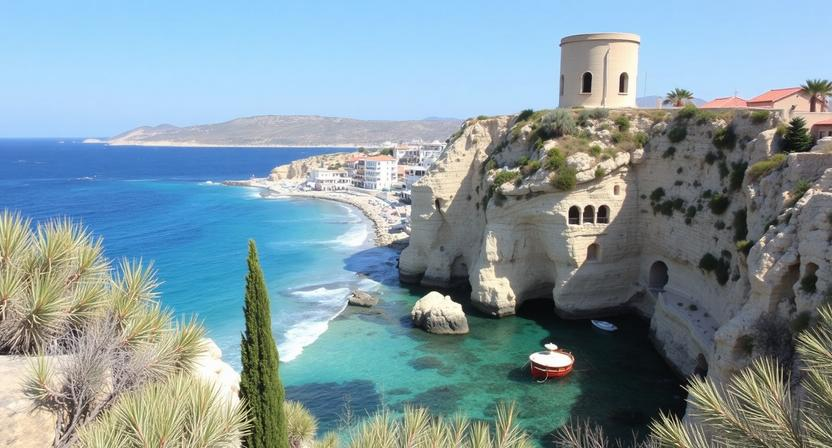
The Mediterranean travel market has become more competitive than ever. Countries like Greece, Italy, Turkey, and Spain continue investing heavily in tourism infrastructure, luxury resorts, and marketing campaigns.
Many tourists are now looking for destinations that offer unique experiences beyond beaches alone. Wellness tourism, eco-tourism, cultural experiences, and digital nomad-friendly locations are becoming increasingly popular. Some critics argue that Cyprus has struggled to modernize its tourism image compared to neighboring competitors.
Travelers today want more personalized and experience-driven vacations, and destinations that adapt quickly tend to attract stronger international demand.
Climate Challenges and Extreme Heat
Climate change has also started affecting travel patterns across southern Europe. Cyprus experienced several periods of extreme heat during recent summer seasons, with temperatures reaching uncomfortable levels for some tourists.
Wildfire concerns in Mediterranean regions have further impacted traveler confidence. While Cyprus still offers beautiful weather for most of the year, extreme summer conditions are making some visitors reconsider peak-season travel.
As a result, many travelers are shifting vacations to cooler months or exploring northern European destinations instead.
Social Media Has Changed Travel Trends

Social media now plays a huge role in shaping tourism demand. Destinations can quickly rise or fall in popularity depending on viral travel content, influencer recommendations, and online reviews.
In recent years, newer travel hotspots such as Albania, Montenegro, and lesser-known Greek islands gained massive online attention. These destinations are often promoted as cheaper, less crowded, and more “authentic” alternatives to traditional tourist spots like Cyprus.
As travel trends evolve rapidly online, destinations that fail to maintain strong digital visibility can lose momentum among younger travelers.

Amazing Destinations: Best Places to Visit Worldwide

15 Best Hidden Travel Destinations for 2026 You Should Visit Now

Finnair Review: Everything You Need to Know Before Flying in 2026

Best Places to Visit in Sicily 2026: Complete Travel Guide

Best Cruise Ships for 2026: Luxury, Adventure & Family Cruises

TSA PreCheck Members Can Now Visit Airport Gates: Everything You Need to Know
Can Cyprus Tourism Recover?
Despite the current decline, Cyprus still has many strengths as a travel destination. The island continues to offer stunning coastlines, rich history, luxury resorts, warm hospitality, and excellent food. Tourism experts believe recovery is possible if the country adapts to changing traveler expectations.
Investing in sustainable tourism, promoting cultural experiences, improving affordability, and targeting year-round tourism could help Cyprus regain its position in the Mediterranean market.
Many local businesses are already adjusting strategies by offering more competitive pricing, upgrading visitor experiences, and focusing on niche tourism sectors such as wellness retreats, adventure travel, and remote-work tourism.