

Global tourism numbers have reached all-time highs, and with millions of people exploring the world each year, eco-friendly travel has shifted from a nice optional extra to an absolute essential.
Here’s the good news: you don’t have to sleep in a muddy tent, pitch up in the middle of nowhere, or give up fluffy hotel pillows to travel sustainably. Being an eco-conscious traveler isn’t about perfection or self-denial. It’s simply about making small, clever tweaks to your usual routine.
When you travel with a bit more care and intention, you actually end up having a far richer experience. You meet local people, discover quiet spots off the beaten path, and return home knowing you helped support the place you visited rather than just passing through.
Here is a practical, easy-to-follow guide to lowering your footprint on your next getaway.
1. Embrace the Power of Slow Travel

One of the kindest things you can do for the planet—and your own stress levels—is to stop rushing. Most of us have been guilty of trying to pack five cities into a single week, but taking things slow is where the real magic happens.
Instead of spending half your vacation stuck in airport security lines or driving endlessly on highways, pick one region or cozy town and stay put for a while.
- You dramatically cut emissions: When you aren’t hopping on short flights or driving long distances every two days, you reduce your carbon footprint significantly. It’s the easiest way to help the environment without even trying.
- You get a genuine experience: When you stop running between crowded tourist traps, you finally have time to discover the quiet coffee shop around the corner or the local park where people gather in the evening. You stop feeling like a tourist and start feeling like part of the neighborhood.
- You actually return feeling rested: We’ve all come home from a trip needing a “vacation from our vacation.” Staying in one location removes the daily hassle of packing, checking out, and rushing to the next destination.
2. Pack Light and Pack Smart
Thoughtful packing is one of the easiest ways to make your trip eco-friendly before you even leave home. Every single extra pound in your bag means planes, trains, and buses have to burn more fuel to carry you.
| What to Bring | Why It Makes a Difference |
| Reusable Bottle & Tote | Avoids buying single-use plastic bottles and plastic shopping bags on the go. |
| Solid Toiletries | Shampoo bars and toothpaste tablets save space, cut out plastic bottles, and won’t leak. |
| Reef-Safe Sunscreen | Sunscreens without oxybenzone and octinoxate protect fragile coral reefs from chemical damage. |
| Versatile Clothing | Packing high-quality, re-wearable basics keeps your luggage light and manageable. |
3. Rethink How You Get Around

How you travel between destinations makes up the largest chunk of your overall carbon footprint. Making small upgrades to your transport choices creates an immediate positive impact.
Choose Rail Over Short Flights
Whenever possible, take the train. Trains emit a fraction of the greenhouse gases per passenger compared to planes. Moving across regions by rail is also far more scenic, peaceful, and convenient—no long security queues, no strict baggage limits, and you land right in the city center.
Optimize Your Air Travel
If flying is your only realistic option, you can still optimize your flight habits:
- Book Non-Stop Flights: Planes burn the vast majority of their fuel during takeoff and landing. Skipping layovers saves significant amounts of jet fuel.
- Fly Economy: It might be cozy, but spreading the fuel cost over more passengers lowers the carbon footprint per person compared to spacious first-class seats.
4. Stay in Certified “Green” Accommodations
Where you sleep at night matters. Many hotels now make big promises about being eco-friendly, but it pays to look beyond basic marketing claims like bamboo towels or paper straws.
- Look for Genuine Eco-Labels: Check if a hotel holds recognized third-party certifications like LEED, EarthCheck, or Green Key. These prove the property actively manages water waste, energy use, and local community support.
- Use the “Skip the Clean” Rule: Tell the front desk you don’t need your towels or bed sheets replaced every single day. This simple choice saves thousands of gallons of water and electricity over a hotel’s operating year.
- Check Sustainable Rentals: If you use home-sharing platforms, look for hosts who mention energy-efficient appliances, solar panels, water recycling, or composting facilities.

5. Support the Local Economy Directly
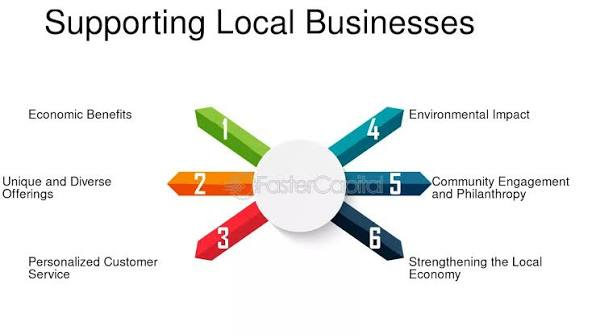
Sustainable travel is as much about supporting local communities as it is about protecting nature. True ethical travel ensures your money goes straight to the people living in the area you are visiting.
- Eat at Family-Run Spots: Instead of visiting global fast-food outlets, seek out neighborhood diners and farm-to-table eateries. The food is fresher, more authentic, and hasn’t been shipped halfway across the globe in plastic containers.
- Buy Authentic Handicrafts: Purchase souvenirs directly from local artisans rather than buying mass-produced trinkets at airport shops.
- Respect Culture and Heritage: Learn a few basic phrases in the local language, ask before taking photos of people, and hire local guides. Supporting community-led tours preserves native cultural traditions, foodways, and historic crafts.