
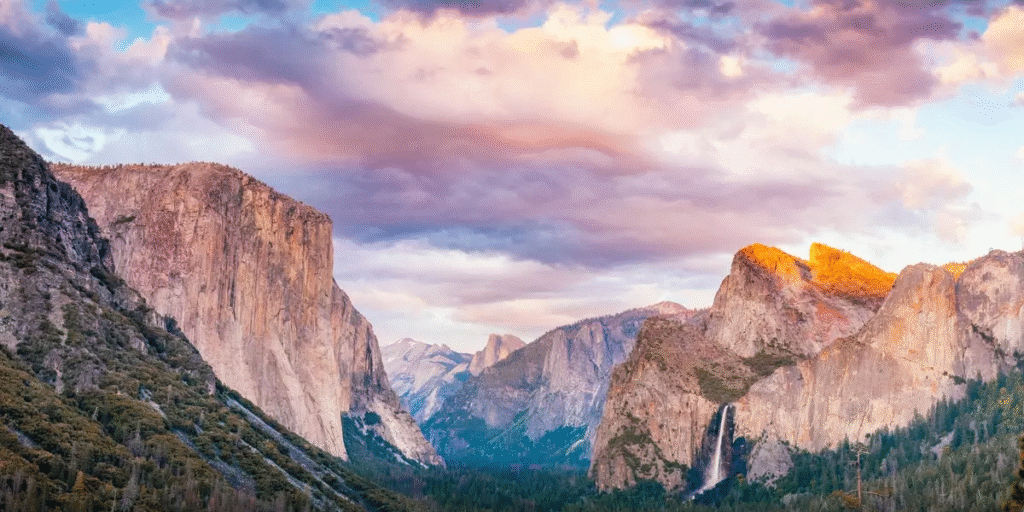
When the writer Wallace Stegner famously described national parks as “the best idea we ever had,” he captured something every outdoor traveler eventually feels. Across the United States, 63 national parks protect some of the continent’s wildest landscapes and most spectacular scenery. From soaring glaciated peaks and fantastically sculpted canyons to rugged ocean coastlines, vast open grasslands, and ancient forests, these public lands provide sanctuary for an equally diverse lineup of wildlife.
With so much natural beauty spread across the country, choosing the single “best” national park is a subjective and nearly impossible task. However, these 12 national parks in the lower 48 states stand out as absolute bucket-list destinations. Alaska’s massive wilderness parks deserve a trip of their own, as do the four tropical island reserves—Hawaiʻi Volcanoes, Haleakalā, the US Virgin Islands, and American Samoa.
Whether you are mapping out your very first cross-country road trip or looking for your next alpine hiking adventure, here is your comprehensive, human-crafted guide to the top 12 national parks in the contiguous United States.
Yellowstone National Park
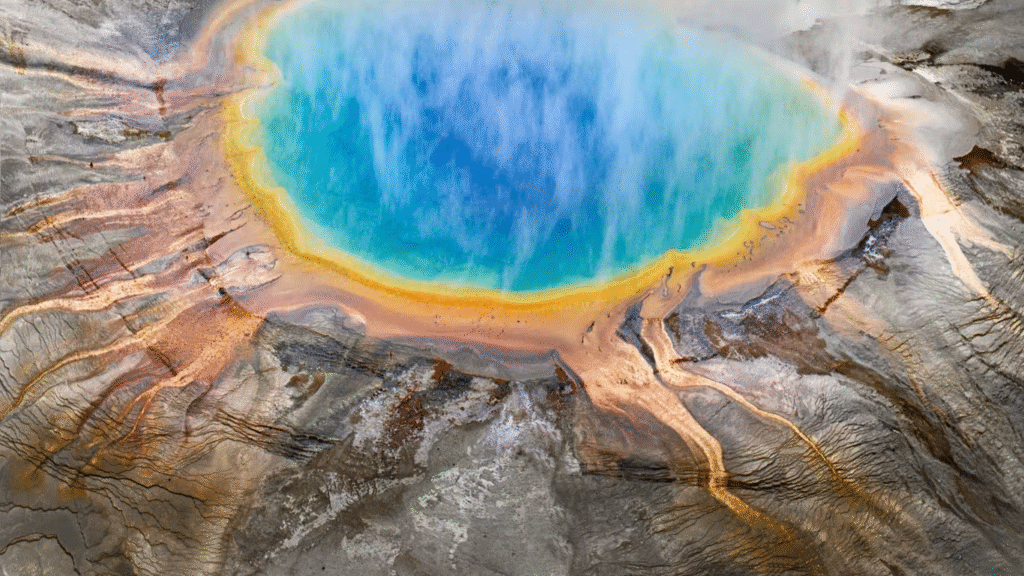
Best For: Geothermal marvels and classic American megafauna
State(s): Wyoming, Montana, Idaho
Established in 1872 as the world’s first national park, Yellowstone preserves a vast, living ecosystem of rugged mountains, high-altitude lakes, and sweeping valleys. It remains one of the premier spots in North America to watch wild animals in their natural element. Great herds of bison routinely cross roads and graze along riverbanks alongside elk, moose, and mule deer. If you pack a good pair of binoculars and set out early in the morning through the Lamar or Hayden Valleys, you might even spot grizzly bears or members of a local wolf pack.
Yellowstone sits atop an active volcanic supervolcano, which feeds nearly 60 percent of the entire world’s geysers, alongside colorful hot springs, mud pots, and steaming steam vents (fumaroles). The iconic Old Faithful erupts roughly 20 times a day with remarkable regularity. Beyond the geyser basins, don’t miss the Grand Canyon of the Yellowstone, where the river crashes over dramatic upper and lower waterfalls framed by yellow and orange canyon walls.
- Insider Tip: Visit the popular thermal boardwalks right at sunrise or late in the afternoon. You will avoid the tour bus crowds and catch the morning mist rising off the thermal waters in warm light.
Grand Canyon National Park
Best For: Unmatched geological scale and deep-canyon hiking
State: Arizona
While the American Southwest features dozens of stunning canyons, none rival the staggering dimensions of the Grand Canyon. Carved over millions of years by the winding Colorado River, this massive natural wonder drops over a mile deep, measures up to 18 miles wide, and extends 277 miles through the high desert of northwestern Arizona. As the sun moves across the sky, its exposed rock layers shift color, turning from soft pinks and tans to fiery reds and deep golds.
Most travelers head to the South Rim because of its easy highway access, year-round opening dates, and extensive visitor amenities along the rim trail. The higher-elevation North Rim offers a quieter, cooler experience surrounded by pine forests, though it closes during heavy winter snows. For a closer look, hike down below the rim along the Bright Angel Trail, take a guided mule ride down the switchbacks, or book a multi-day rafting trip through the canyon floor.
Planning Note: Wildfires or extreme heat can occasionally lead to trail closures. For instance, after the Dragon Bravo wildfire in mid-2025, parts of the park required temporary safety closures. Always check the official park alert page on NPS.gov before setting out.
Mt Rainier National Park
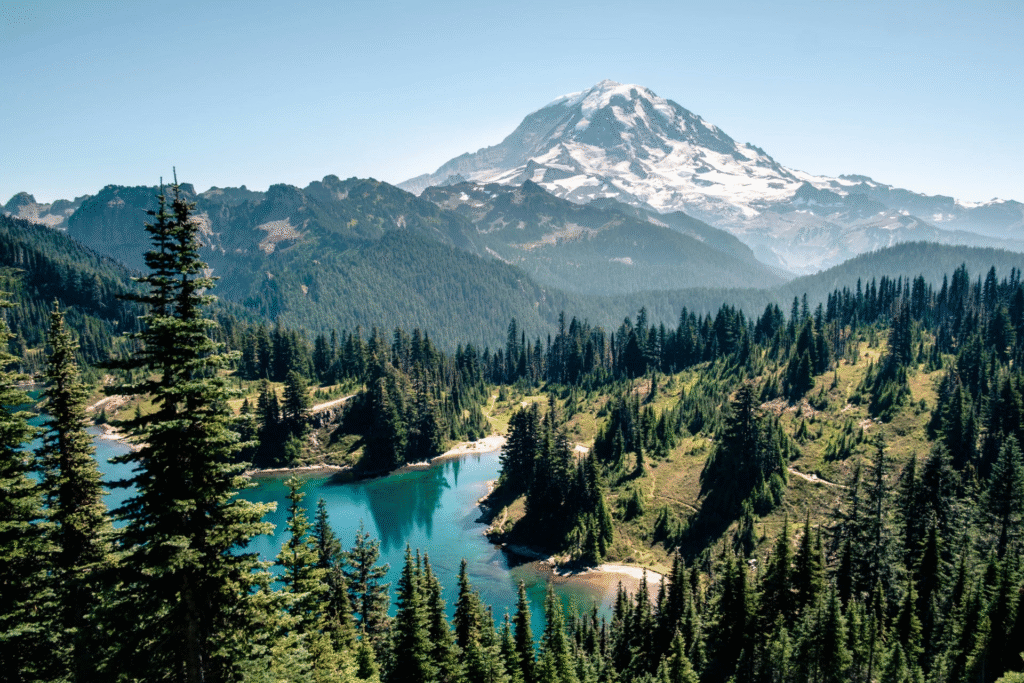
Best For: Subalpine wildflower displays and alpine glacier views
State: Washington
Rising an imposing 14,411 feet above the surrounding lowlands, Mt Rainier is the highest peak in Washington State, the fifth-tallest peak in the contiguous US, and the most heavily glaciated mountain in the lower 48 states. This active stratovolcano feeds 25 major glaciers and creates its own localized weather systems, making it a spectacular focal point for outdoor lovers.
Hiking trails throughout the park wind through ancient old-growth forests of Douglas fir and western red cedar, leading past tumbling waterfalls toward clear alpine lakes. During July and August, subalpine meadows around the popular Paradise and Sunrise areas explode in a wave of colorful wildflowers, including lupine, avalanche lilies, and Indian paintbrush. Come autumn, the foliage turns vibrant red and gold. Keep an eye on the ridges for mountain goats, marmots, black bears, and Roosevelt elk.
Olympic National Park
Best For: Extraordinary landscape diversity and wild ocean beaches
State: Washington
Covering nearly one million acres on Washington’s Olympic Peninsula, Olympic National Park protects three entirely different ecosystems within a single boundary. Because much of the interior is roadless wilderness, it feels wonderfully untouched.
You can start your morning above the treeline at Hurricane Ridge, taking in panoramic views of glacier-capped peaks. By afternoon, drive down into the western valleys to explore temperate rainforests like the Hohor Quinault, where giant spruce and fir trees are completely covered in hanging mosses and lush ferns. Finally, head to the Pacific coastline to walk along wild beaches punctuated by towering sea stacks, search coastal tidepools for sea stars, or watch the dramatic surf during a winter storm.
Acadia National Park
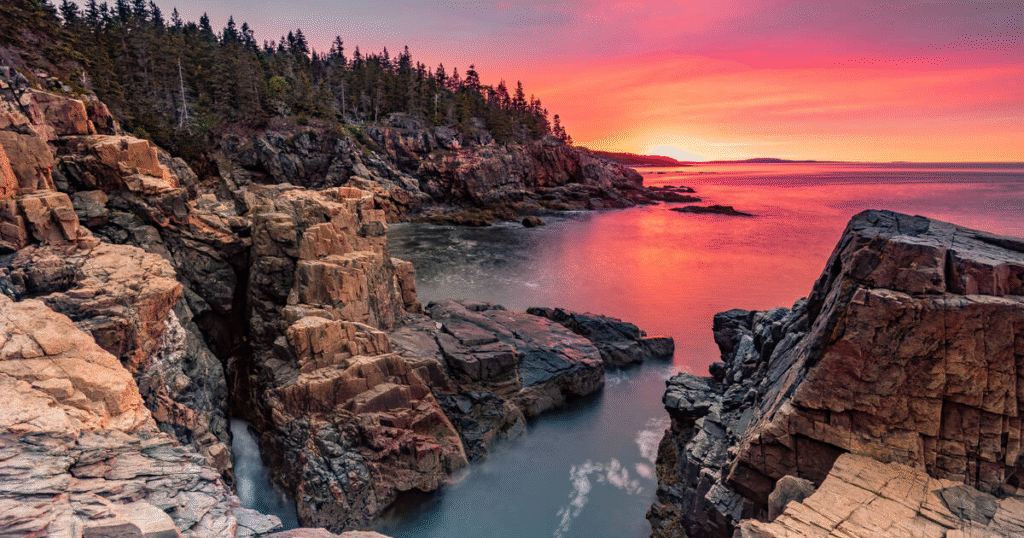
Best For: Classic New England coastline and historic carriage roads
State: Maine
As the sole national park in the northeastern United States, Acadia protects a classic stretch of Maine’s rocky granite coastline on Mount Desert Island. It is a landscape defined by dark spruce forests, rounded mountain tops carved by ice-age glaciers, historic lighthouses, and quiet lobstering harbors.
Acadia is famous for its accessible outdoor routes. You can hike exposed granite ridges like the Beehive Trail, walk around quiet bodies of water like Jordan Pond, or rent a bicycle to ride 45 miles of car-free stone carriage roads built by John D. Rockefeller Jr. A highlight of any trip is heading up Cadillac Mountain (1,530 ft). From autumn through early spring, its summit is one of the very first places in the entire country to catch the morning sunrise over the Atlantic Ocean.
Yosemite National Park
Best For: High granite walls, roaring waterfalls, and giant sequoias
State: California
Nestled in California’s Sierra Nevada range, Yosemite is famous for its glacial valley framed by immense granite monoliths. Standing on the valley floor puts you right beneath some of the most famous rock faces in the world.
El Capitan rises over 3,000 feet straight up from the forest floor, serving as a global proving ground for rock climbers. Across the valley stands the curved silhouette of Half Dome. In spring, melting snow feeds spectacular cascades like Yosemite Falls, Vernal Fall, and Bridalveil Fall. Away from the main valley, you can walk among ancient Giant Sequoia trees in the Mariposa Grove, some of which have stood for more than 2,000 years.
Zion National Park
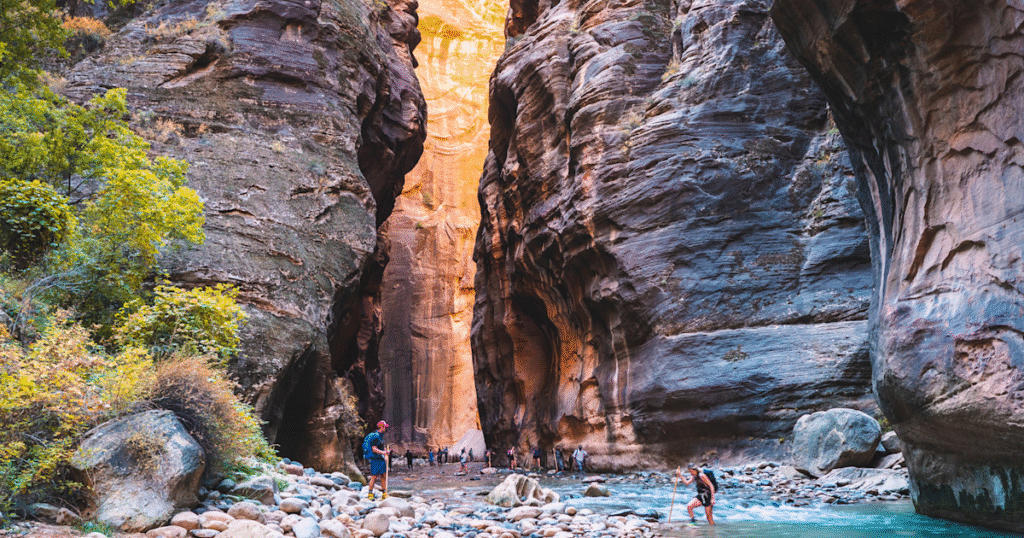
Best For: Towering red-rock walls and thrilling canyon treks
State: Utah
Located in southwestern Utah, Zion National Park offers a different perspective than most canyon parks: instead of looking down from a high rim, you walk along the canyon floor and look up at sheer walls of red, pink, and cream Navajo sandstone rising thousands of feet into the sky.
Zion is famous for two of the most adventurous trails in the national park network:
- Angels Landing: A steep ridge trail ending in a narrow perch 1,500 feet above the valley floor, featuring metal support chains along the exposed drop-offs.
- The Narrows: A classic water hike where the trail is the Virgin River itself, guiding hikers deep into a narrow slot canyon surrounded by soaring rock walls.
Glacier National Park
Best For: Pristine alpine valleys, glacial lakes, and mountain drives
State: Montana
Spanning over one million acres along Montana’s border with Canada, Glacier National Park protects pristine alpine wilderness, carved glacial valleys, and over 700 crystal-clear lakes.
The crown jewel of the park’s road system is the Going-to-the-Sun Road. This 50-mile engineering feat climbs high along steep mountain edges, crossing the Continental Divide at Logan Pass (6,646 ft). Driving this road rewards you with views of deep alpine valleys, cascading roadside waterfalls, and frequent sightings of mountain goats and bighorn sheep. If you love backcountry trails, districts like Many Glacier offer access to high-alpine passes and turquoise lakes fed by melting glaciers.
Rocky Mountain National Park
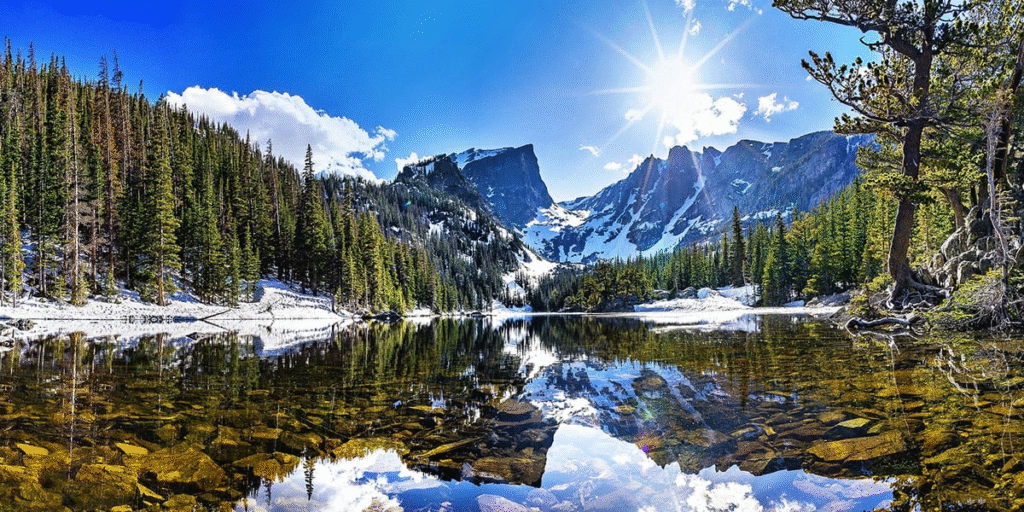
Best For: Accessible high-altitude drives and mountain wildlife watching
State: Colorado
Located just an hour and a half from Denver, Rocky Mountain National Park protects some of the highest mountain terrain in North America. With 77 peaks towering above 12,000 feet, it is the ultimate destination for exploring alpine tundra habitats without needing technical mountaineering gear.
The park’s main artery, Trail Ridge Road, reaches a crest of 12,183 feet, making it the highest continuous paved highway in the United States. Driving across this high tundra puts you well above the treeline for panoramic views across the Rockies. At lower elevations, scenic trail networks lead to subalpine gems like Bear Lake and Emerald Lake. If you visit in September or October, the aspen leaves turn bright yellow, and large elk herds gather in Moraine Park for their annual mating season.
Bryce Canyon National Park
Best For: Surreal hoodoo rock spires and dark-sky stargazing
State: Utah
Despite its name, Bryce Canyon is not a single canyon formed by a river. Instead, it is a giant horseshoe-shaped natural amphitheater carved into the edge of Utah’s Paunsaugunt Plateau. It contains the world’s largest concentration of hoodoos—tall, thin pillars of weathered orange, red, and white sandstone shaped by seasonal freeze-and-thaw cycles.
Overlooks like Sunset Point, Sunrise Point, and Inspiration Point offer views over thousands of these unusual rock spires. You can also hike down below the rim on the Navajo Loop or Queen’s Garden trails to walk through narrow rock corridors right alongside the hoodoos. Sitting between 8,000 and 9,000 feet above sea level with minimal light pollution, Bryce Canyon is also recognized as one of the premier stargazing locations in North America.
Great Smoky Mountains National Park
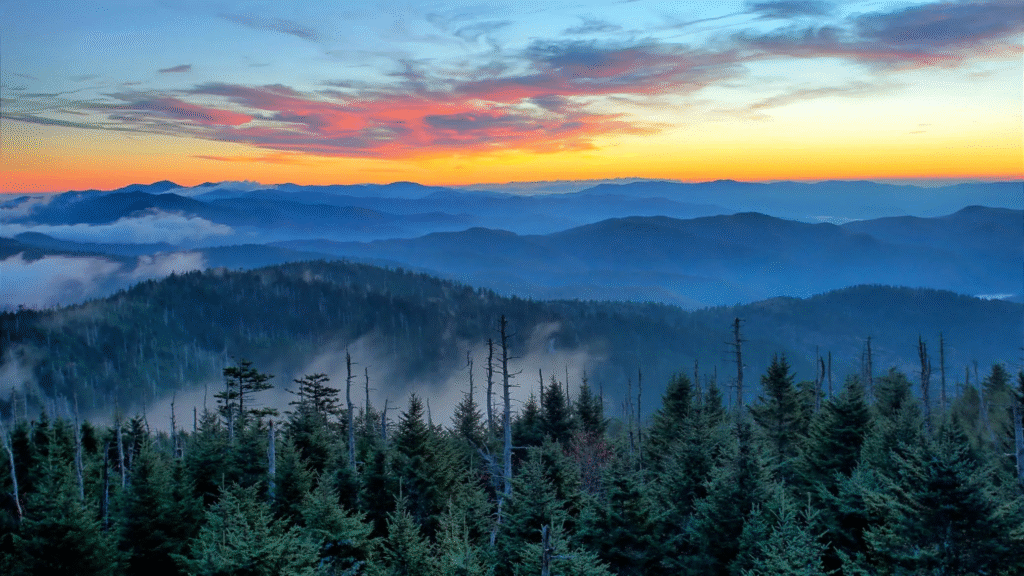
Best For: Rich plant biodiversity, historic cabins, and misty ridges
State(s): North Carolina, Tennessee
Straddling the border between North Carolina and Tennessee, Great Smoky Mountains holds the title of the most visited national park in the United States. It is famous for its incredible species diversity, lush forests, and the soft blue mist that constantly drifts over its ancient mountain ridges.
The park contains thousands of documented plant and animal species, including dense black bear populations, blooming spring wildflowers, and summer displays of mountain laurel and rhododendron. A slow drive through Cades Cove offers an easy way to spot wildlife while touring preserved 19th-century log cabins, barns, and churches built by early mountain communities. For high-elevation views, head to Clingmans Dome(Kuwohi), the highest peak in the park, where a concrete observation tower provides 360-degree views across rolling forest crests.
Death Valley National Park
Best For: Dramatic desert landscapes, salt flats, and sand dunes
State(s): California, Nevada
As the largest national park in the lower 48 states, Death Valley is a land of extreme conditions and surprising natural beauty. It holds the world record for the highest recorded air temperature and contains Badwater Basin, the lowest point in North America at 282 feet below sea level.
Despite its harsh reputation, Death Valley displays striking desert scenery:
- Badwater Basin: A vast salt flat covered in white geometric salt crusts.
- Zabriskie Point: Intricately eroded golden badlands that glow brightly during early morning light.
- Mesquite Flat Sand Dunes: Rolling golden sand dunes ideal for evening photography and sunset walks.
- Dante’s View: A high mountain viewpoint overlooking the vast valley floor below.
Essential Travel Tips for Your Park Visits
Planning ahead makes all the difference when visiting high-demand national parks. Here are four practical tips to keep in mind:
| Strategy | Why It Helps |
| Buy an Annual Pass | The America the Beautiful Pass costs $80 per year and covers standard entry fees at all national parks and federal lands. It pays for itself after just 3 park visits. |
| Check Reservation Rules | Popular parks like Glacier, Rocky Mountain, Yosemite, and Zion often require timed-entry vehicle permits or shuttle bookings during summer peak months. |
| Download Maps Offline | Cell coverage inside national parks is spotty or nonexistent. Download trail maps to your phone and bring paper maps before leaving your hotel or campsite. |
| Leave No Trace | Pack out all trash, remain on marked trails to protect sensitive tundra and soil, and stay at least 100 yards from bears/wolves and 25 yards from all other wildlife. |