
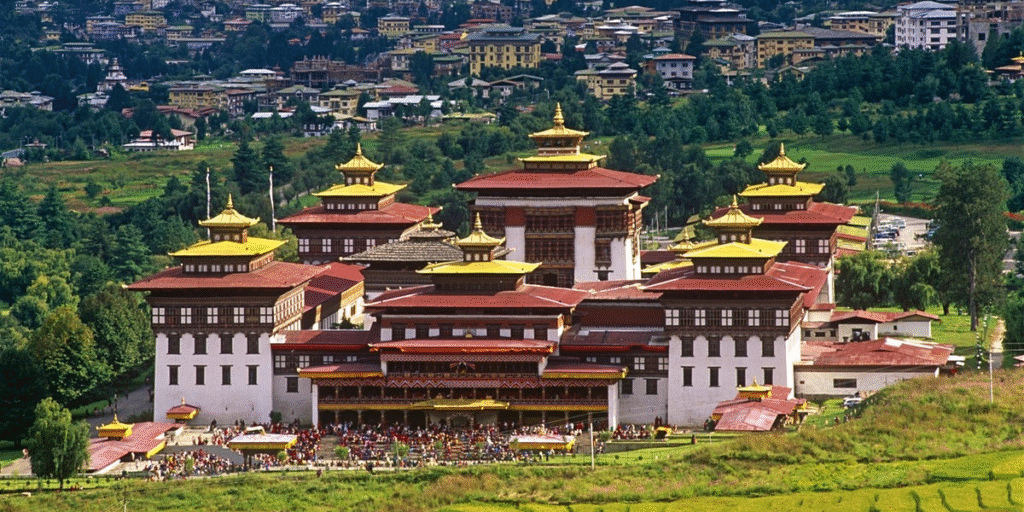
Nestled in the eastern Himalayas, Bhutan is unlike any other travel destination in the world. Known for its breathtaking mountain landscapes, peaceful monasteries, and deep-rooted cultural traditions, Bhutan offers a rare opportunity to experience a country that prioritizes happiness and sustainability over rapid modernization. Often referred to as the “Land of the Thunder Dragon,” Bhutan has carefully preserved its identity, making it an ideal destination for travelers seeking authenticity, tranquility, and natural beauty.
This guide will help you understand everything you need to know before visiting Bhutan, including the best time to go, visa requirements, top places to visit, travel costs, and practical tips for a smooth and meaningful journey.
Where Is Bhutan and Why Is It Special
Bhutan is located between India and China, surrounded by the majestic Himalayan mountains. What makes Bhutan unique is its commitment to preserving its environment and culture. Instead of measuring progress only through economic growth, Bhutan follows a philosophy called Gross National Happiness, which focuses on the well-being of its people, environmental protection, and cultural preservation.
The country limits mass tourism to protect its heritage and natural resources, ensuring visitors experience Bhutan in a respectful and sustainable way.
Best Time to Visit Bhutan
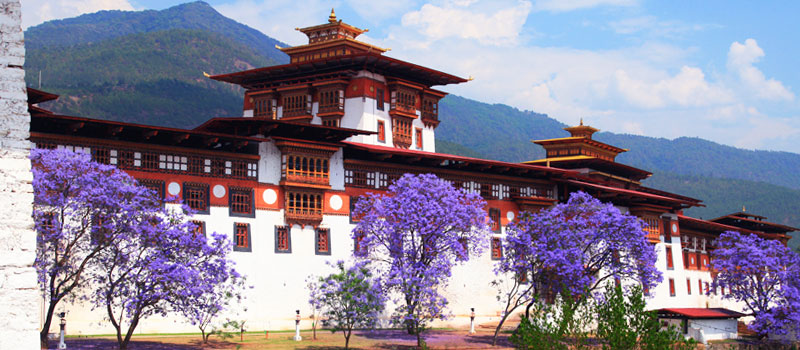
The best time to visit Bhutan depends on what you want to experience.
Spring (March to May):
Spring is one of the most popular seasons. The weather is pleasant, flowers bloom across valleys, and the mountain views are clear.
Autumn (September to November):
Autumn offers crisp air, blue skies, and excellent visibility of the Himalayas. Many cultural festivals also take place during this season.
Winter (December to February):
Winter is colder but quieter, making it ideal for travelers who prefer fewer crowds.
Summer (June to August):
This is the monsoon season, with frequent rain. However, the landscapes become lush and green.
Visa and Entry Requirements
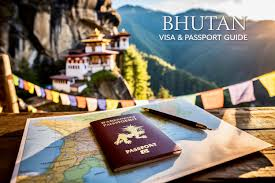
Most international travelers need a visa to enter Bhutan. The visa is typically arranged through an authorized travel operator or the official tourism system. Travelers must also pay a Sustainable Development Fee (SDF), which supports conservation, infrastructure, and local communities.
Visitors from India, Bangladesh, and Maldives have simpler entry procedures but still need permits.
Always check the latest travel regulations before planning your trip.
Top Places to Visit in Bhutan
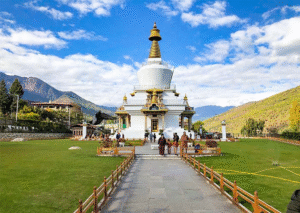
1. Paro
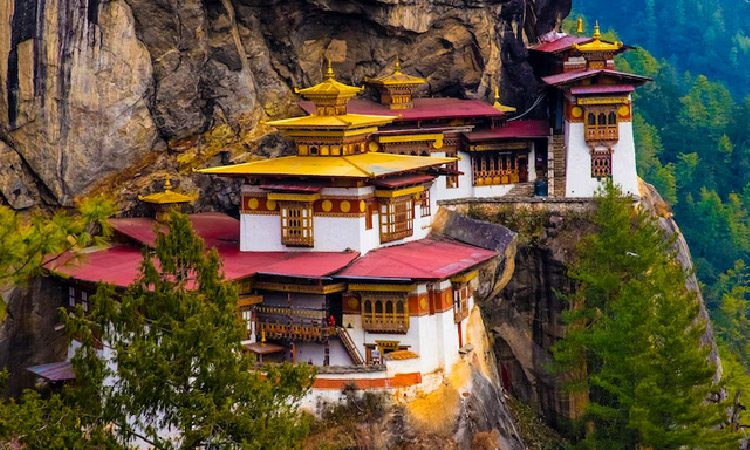
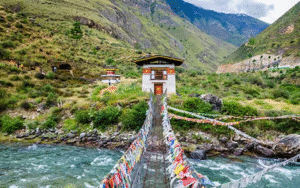
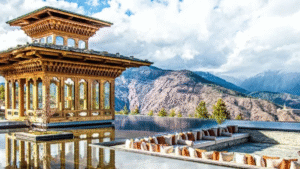
Paro is home to Bhutan’s only international airport and one of the country’s most famous landmarks, Tiger’s Nest Monastery. This monastery is built on a cliff and offers one of the most iconic views in the Himalayas.
2. Thimphu
The capital city combines tradition and modern life. Visitors can explore monasteries, museums, markets, and cultural sites.
3. Punakha
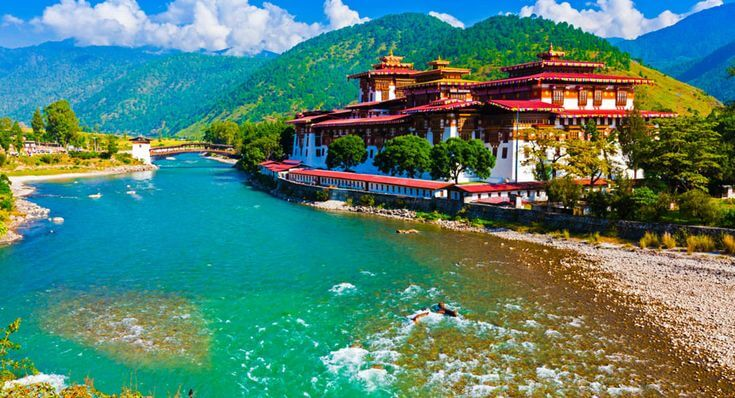
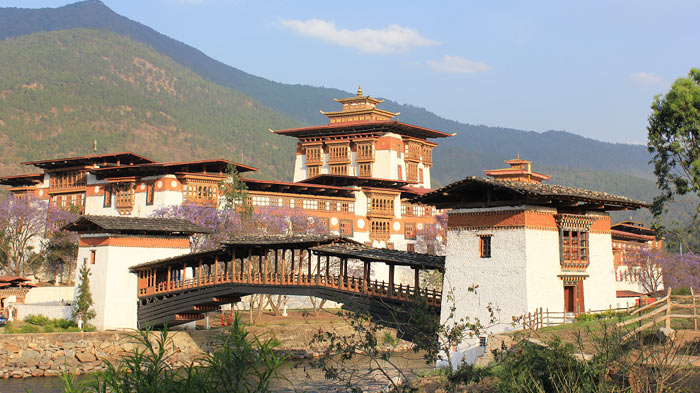
Known for the stunning Punakha Dzong, this region offers beautiful rivers, valleys, and peaceful surroundings.
4. Phobjikha Valley
This scenic valley is famous for its natural beauty and as the winter home of rare black-necked cranes.
5. Bumthang Valley
Often called the spiritual heart of Bhutan, Bumthang is filled with ancient temples and peaceful landscapes.
Culture and Traditions
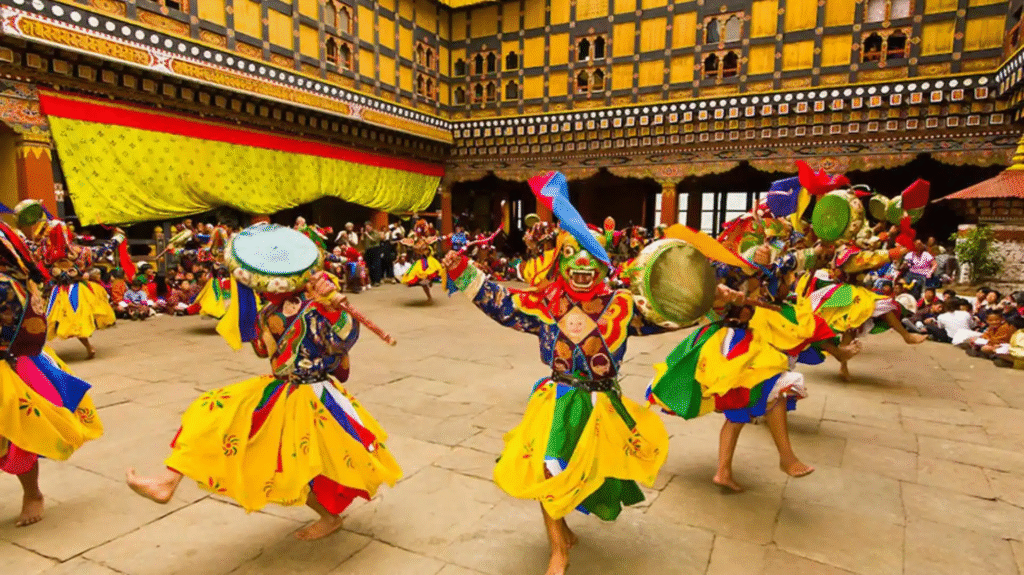
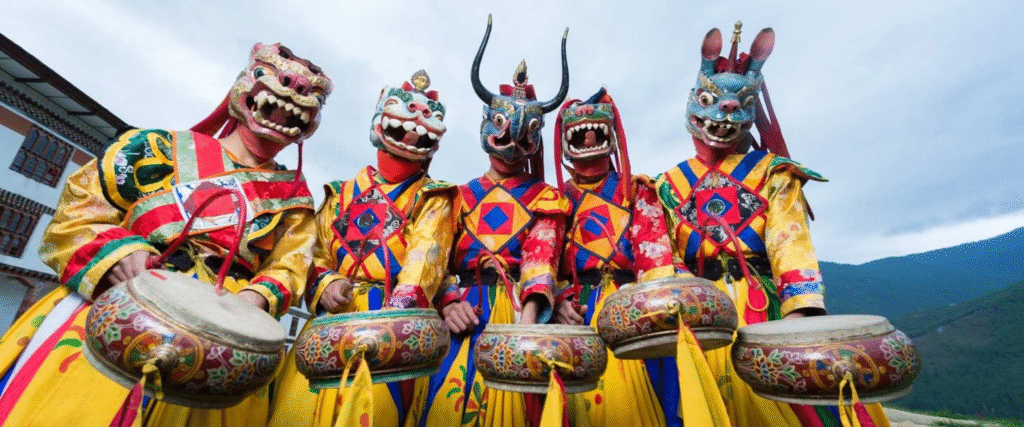
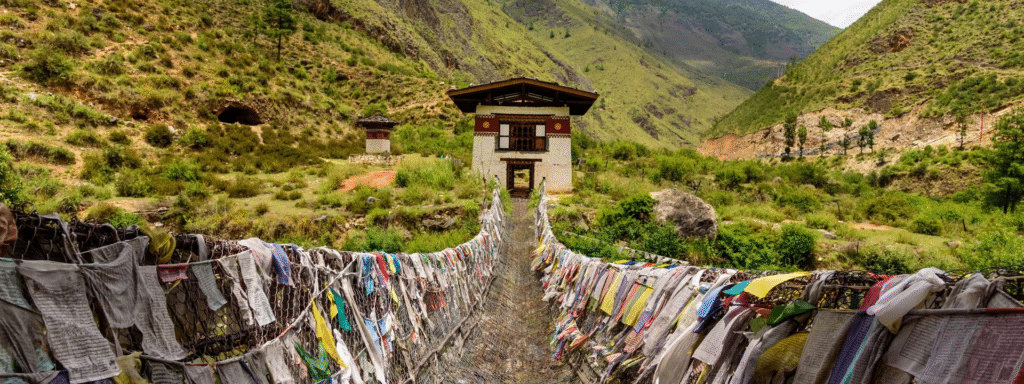
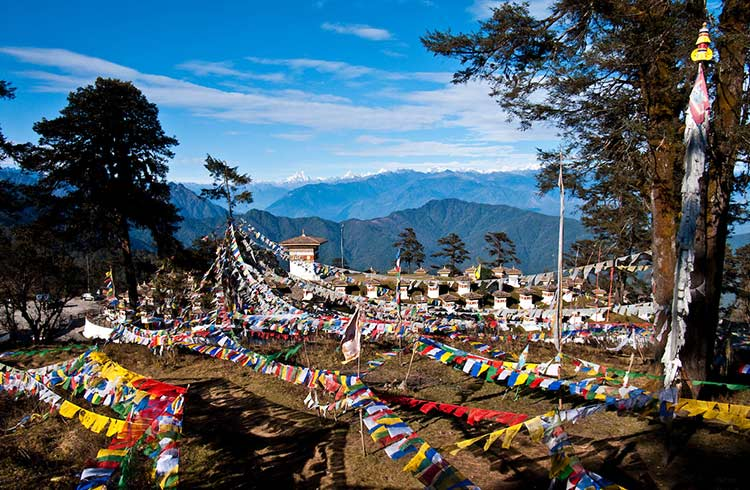
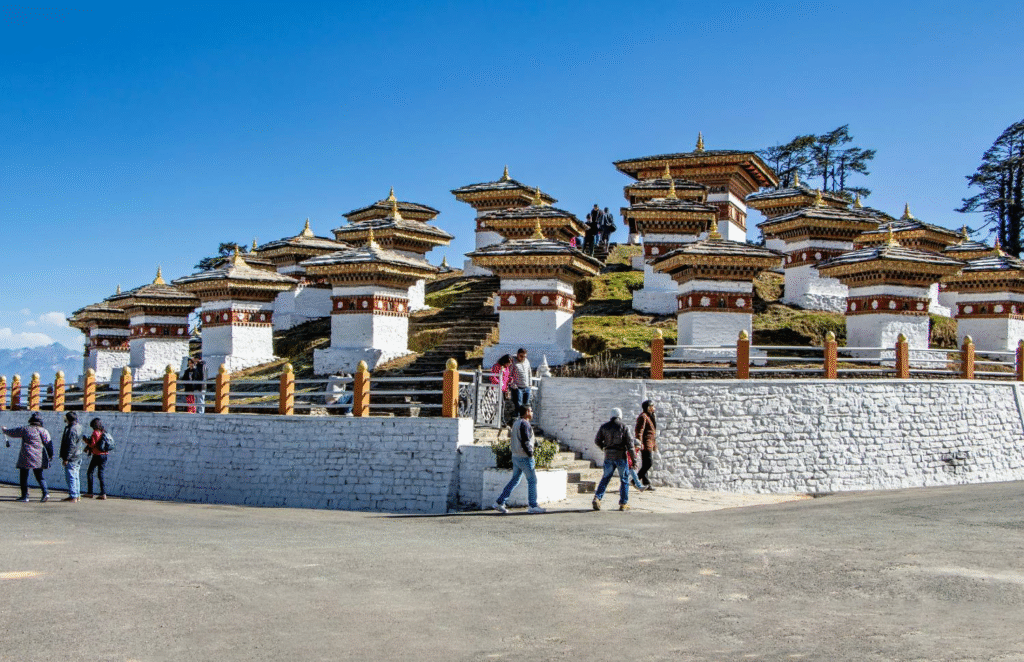
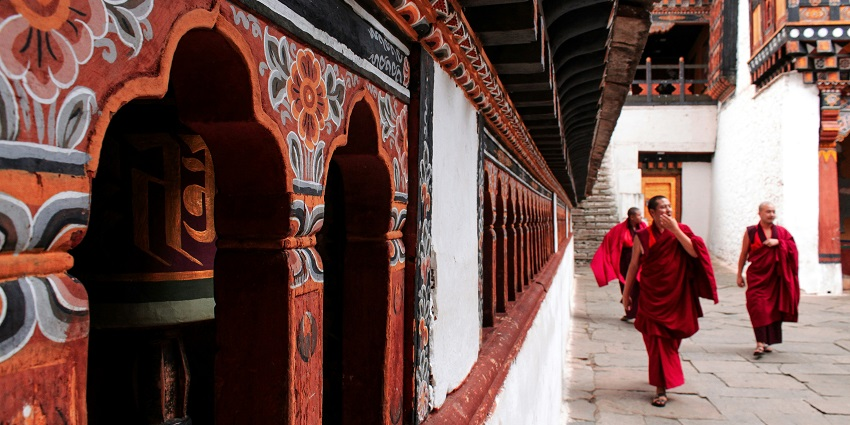
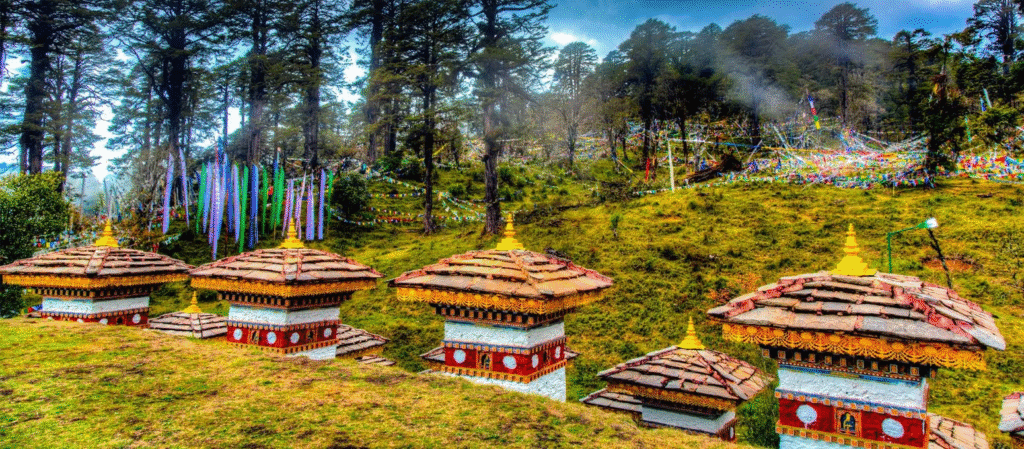
Bhutan’s culture is deeply connected to Buddhism. Monasteries, prayer flags, and traditional architecture are present throughout the country. Locals wear traditional clothing such as the Gho for men and Kira for women, especially during official events and festivals.
Festivals, known as Tshechus, are important cultural events featuring masked dances, rituals, and celebrations that reflect Bhutan’s spiritual heritage.
Respect for culture and tradition is highly valued, and visitors are expected to dress modestly and behave respectfully at religious sites.
Food and Cuisine
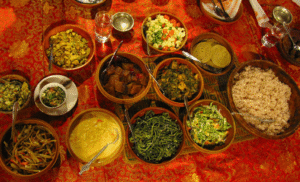
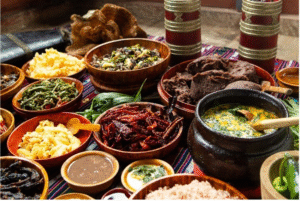

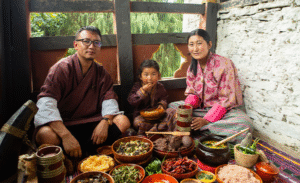
Bhutanese food is simple but flavorful. One of the most famous dishes is Ema Datshi, made with chili peppers and cheese. Rice is a staple food, often served with vegetables, meat, and cheese-based dishes.
Meals are generally hearty and influenced by local ingredients and mountain conditions.
Travel Costs and Budget
Traveling to Bhutan can be more expensive than other destinations because of its sustainable tourism policy. However, the cost includes quality accommodations, transportation, and guided experiences.
Typical expenses include:
- Sustainable Development Fee
- Accommodation
- Guide and transportation
- Food and personal expenses
While it may not be a budget destination, the experience offers exceptional value through cultural authenticity and preserved natural beauty.
Travel Tips for First-Timhe Visitors
Plan in advance: Bhutan regulates tourism, so early planning is essential.
Respect local culture: Follow dress codes and respect religious customs.
Prepare for altitude: Some areas are at high elevation, so allow time to adjust.
Carry cash: While cities have ATMs, remote areas may not.
Pack appropriately: Bring layered clothing, comfortable shoes, and travel essentials.
Why Bhutan Is Worth Visiting
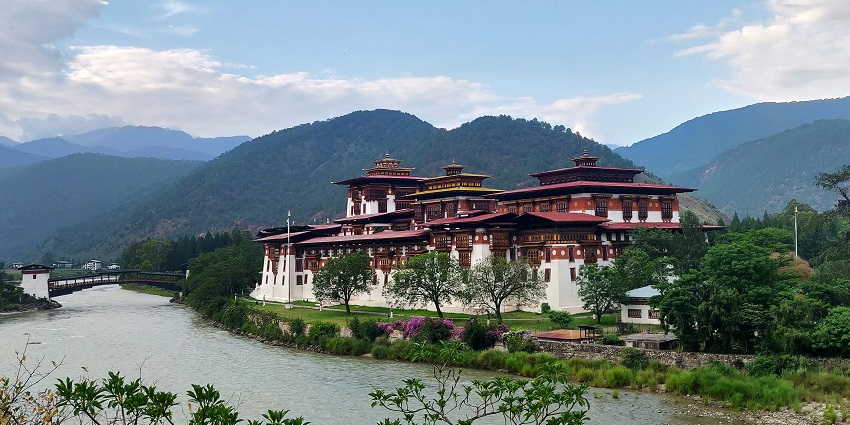
Bhutan offers something rare in modern travel: authenticity, peace, and a strong connection to nature and culture. It is a place where traditions are alive, landscapes remain untouched, and tourism is designed to protect rather than exploit.
Whether you are interested in mountains, culture, spirituality, or simply a slower pace of life, Bhutan provides an unforgettable experience.
Final Though
Traveling to Bhutan is not just about visiting a destination—it is about experiencing a different way of life. The country’s commitment to happiness, sustainability, and cultural preservation makes it one of the most meaningful places you can visit. From ancient monasteries to peaceful valleys, Bhutan offers memories that stay with you long after the journey ends.
Ultimate Holi Adventure: Best Places in India to Experience the Festival
Holi is not just a festival in India; it is an emotion that brings people…
Disclaimer
This article is for informational purposes only. Travel requirements, visa policies, fees, and regulations may change over time. Travelers should always verify official government and tourism sources before planning their trip.
#BhutanTravel #BhutanGuide #TravelBhutan #BhutanTourism #HimalayanTravel #TravelGuide #AsiaTravel #MountainTravel #CulturalTravel #Anslation #Carrerbook