
When it comes to showcasing human ambition, innovation, and engineering brilliance, nothing speaks louder than the tallest buildings on the planet. These architectural giants not only redefine city skylines but also reflect advancements in construction technology and global economic growth. In 2026, the global ranking of the tallest completed buildings continues to be dominated by megatall skyscrapers in the Middle East and Asia, with each structure offering a remarkable story of design and purpose.
1. Burj Khalifa — Dubai, United Arab Emirates
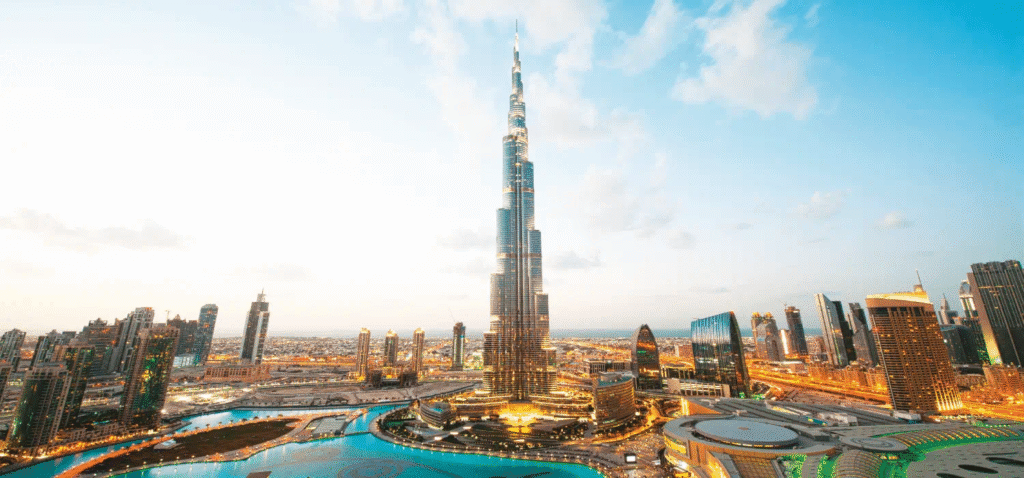
At 828 meters, the Burj Khalifa has held its title as the world’s tallest building for over a decade. Completed in 2010, its sleek silhouette remains an enduring symbol of modern architecture and ambition.
2. Merdeka 118 — Kuala Lumpur, Malaysia
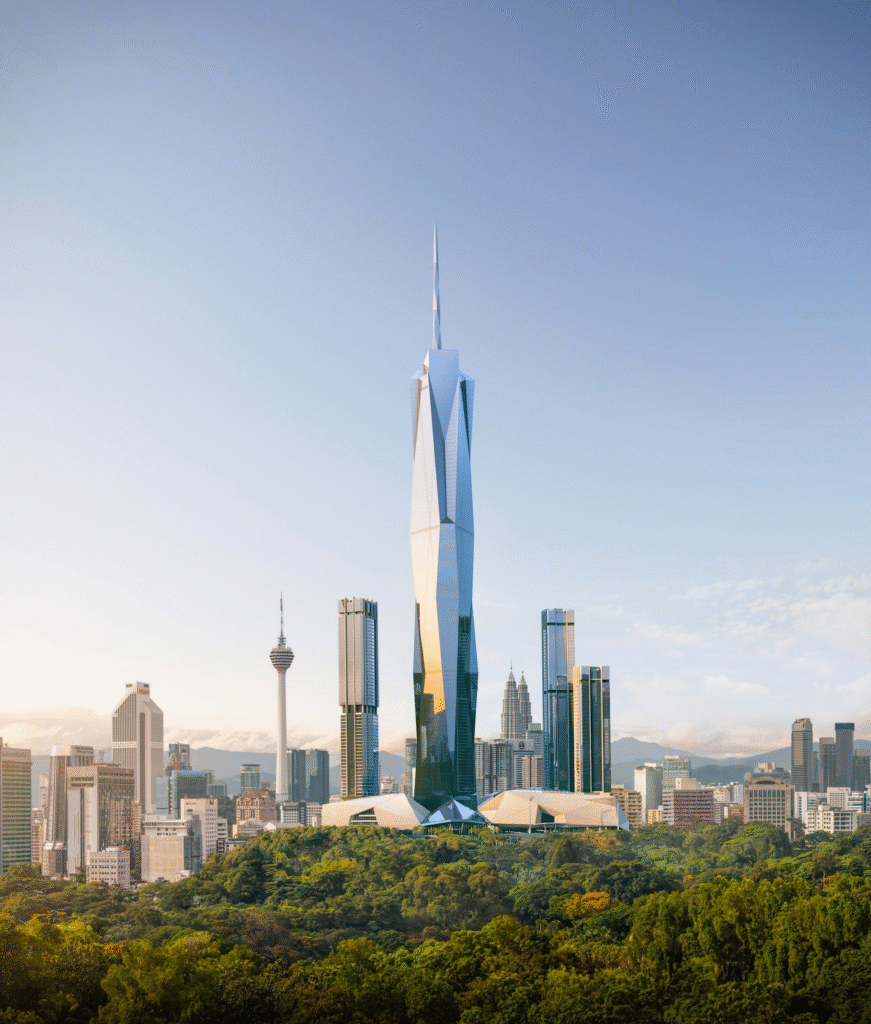
Merdeka 118 rises to approximately 678.9 meters, making it the tallest building in Malaysia and one of the most striking landmarks in Southeast Asia.
3. Shanghai Tower — Shanghai, China
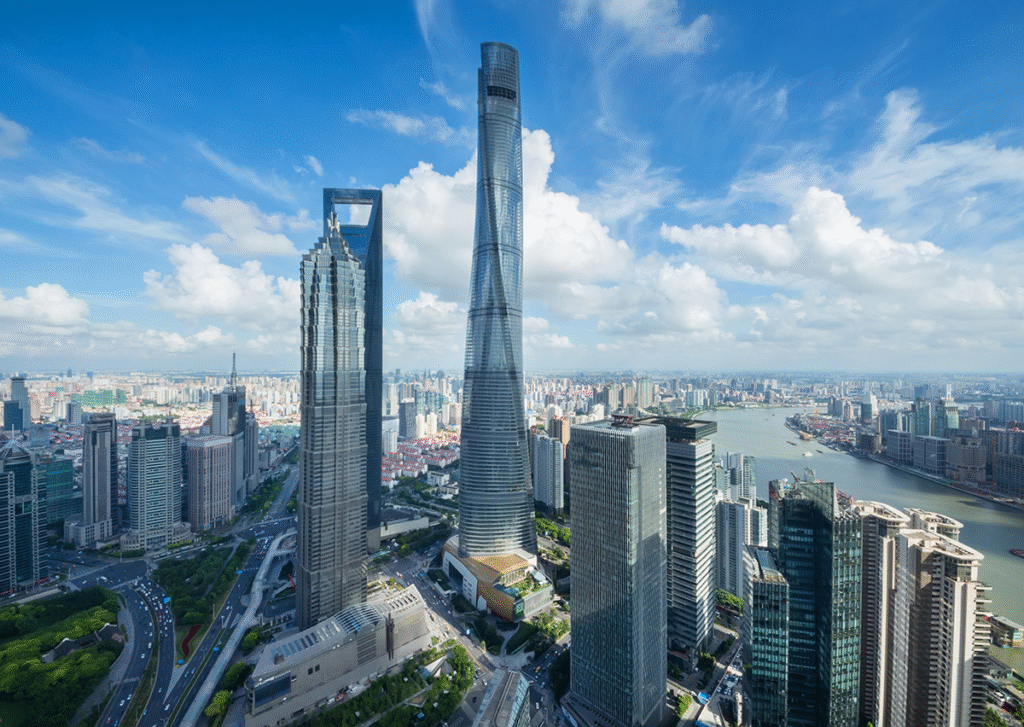
Standing at 632 meters, Shanghai Tower combines twisting design aesthetics with sustainable engineering, making it a marvel of modern skyscraper construction.
4. Makkah Royal Clock Tower — Mecca, Saudi Arabia
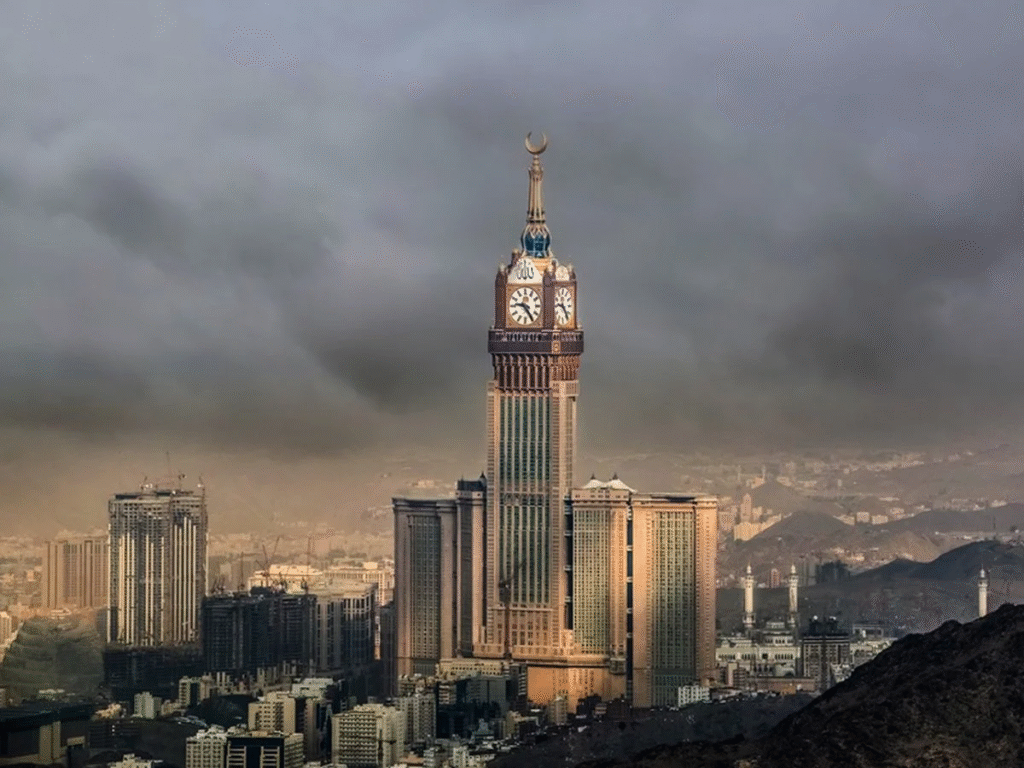
This iconic building reaches about 601 meters, dominating the skyline of Islam’s holiest city and integrating hotel, residential, and observation functions.
5. Ping An Finance Centre — Shenzhen, China
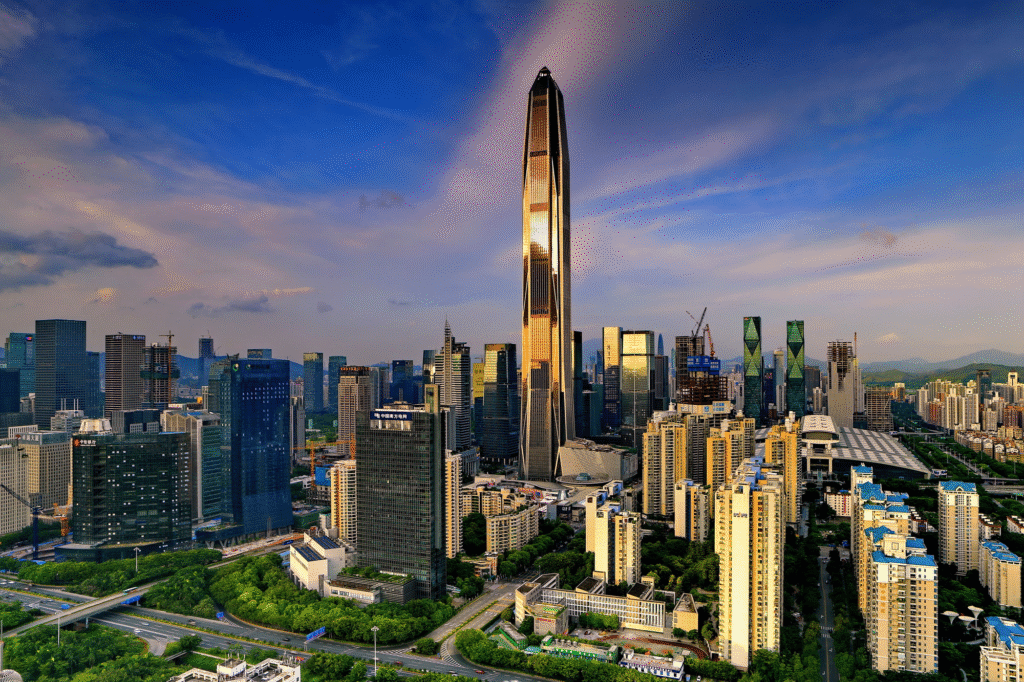
At approximately 599.1 meters, the Ping An Finance Centre is a financial tower and mixed-use hub in one of China’s fastest growing cities.
6. Lotte World Tower — Seoul, South Korea
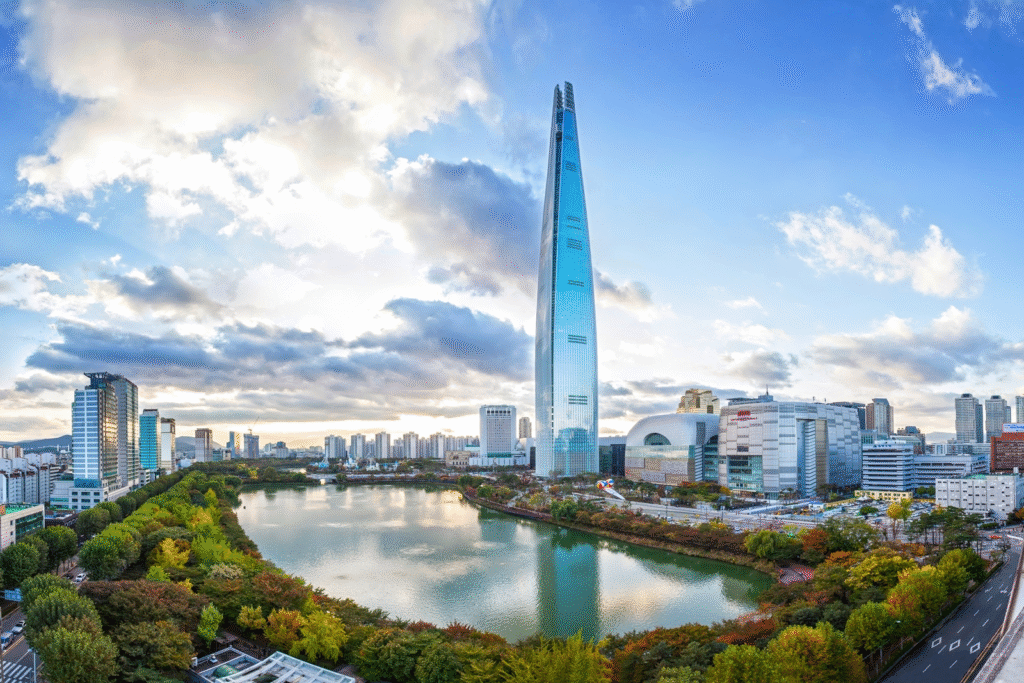
The Lotte World Tower soars to around 555.7 meters and is a centerpiece of Seoul’s skyline, featuring observation decks with panoramic city views.
7. One World Trade Center — New York City, USA
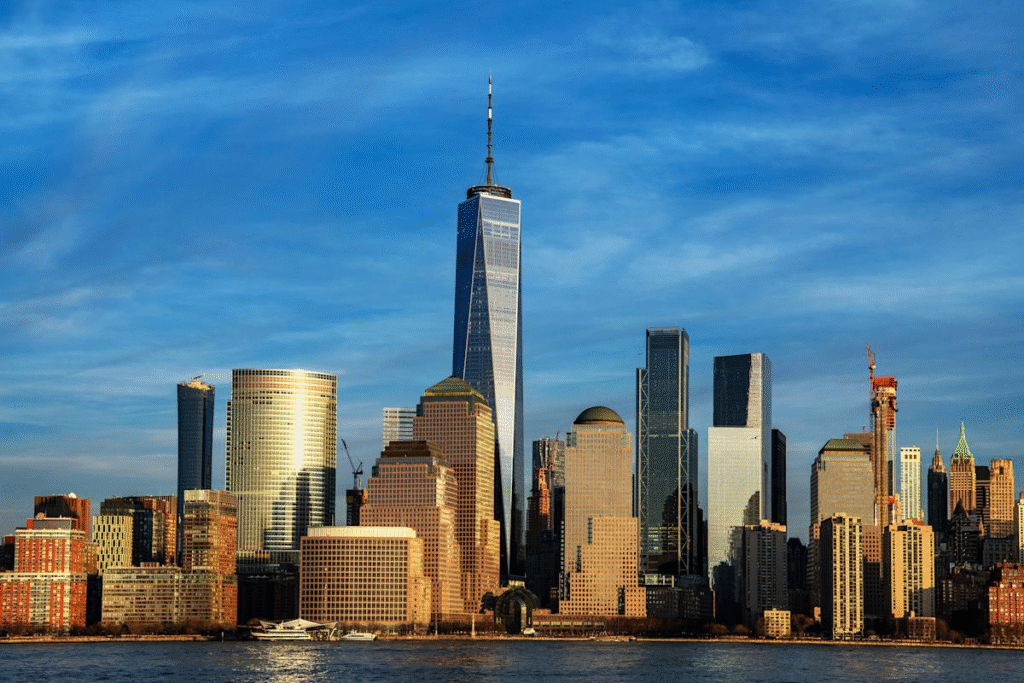
One World Trade Center stands at roughly 541.3 meters, symbolizing resilience and renewal in the heart of Manhattan.
8. Guangzhou CTF Finance Centre — Guangzhou, China
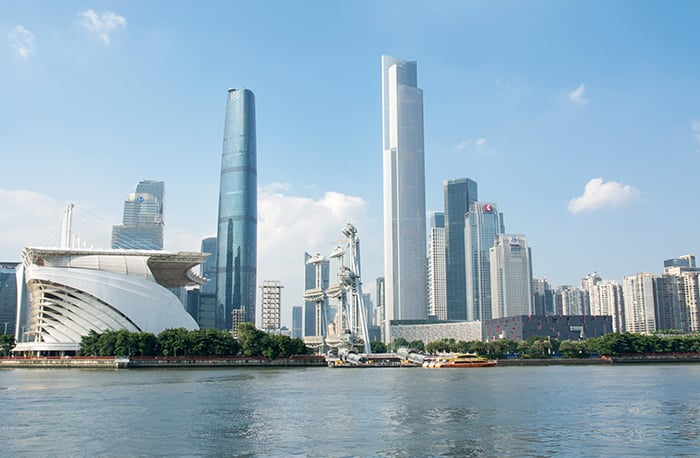
This skyscraper reaches about 530 meters and contributes to Guangzhou’s reputation as a major economic hub in southern China.
9. CITIC Tower (China Zun) — Beijing, China
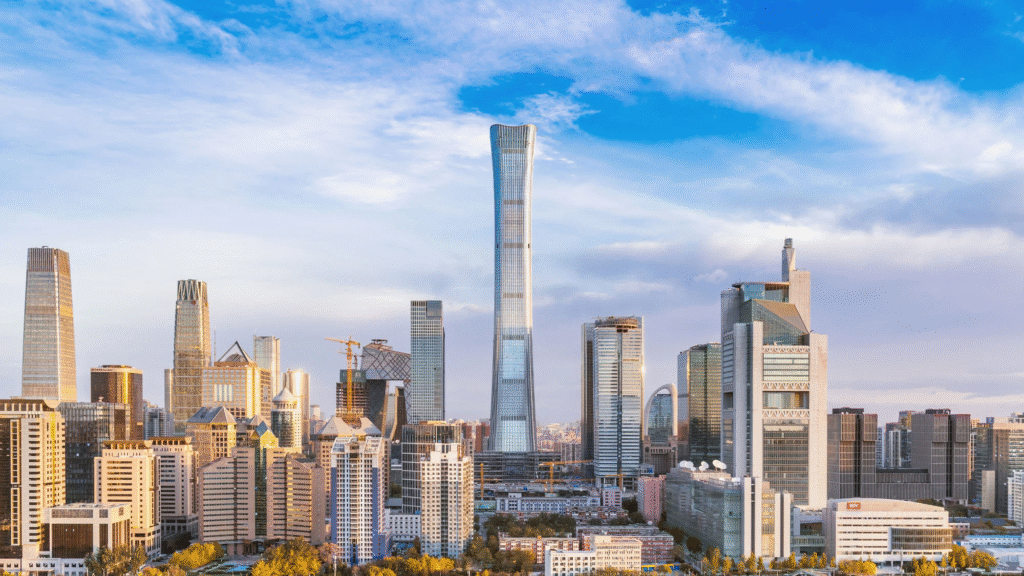
At about 527.7 meters, China Zun commands attention as the tallest building in Beijing with its distinctive curved form.
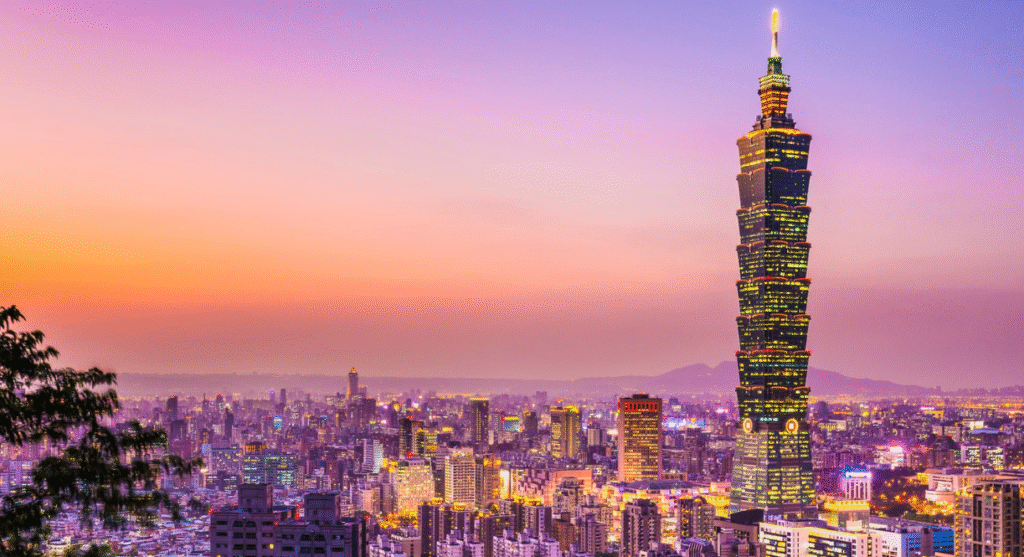
10. Taipei 101 — Taipei, Taiwan
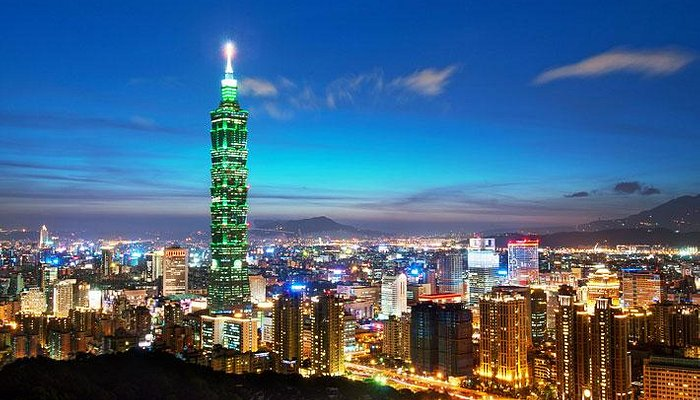
Rounding out the top ten, Taipei 101 remains a landmark at 508 meters and was once the world’s tallest building before the era of ultra-tall towers.
Why These Buildings Matter
These towers represent more than height. They are testaments to advancements in structural engineering, architectural creativity, and urban development. From mixed-use complexes and business centers to cultural icons, each skyscraper plays a vital role in its city’s identity and economy.
Their construction often involves overcoming extreme technical challenges — from wind load mitigation and seismic considerations to vertical transportation systems that can whisk occupants hundreds of floors in minutes. The competition for vertical supremacy drives innovation across the building industry.
Final Thought
The list of the tallest buildings in the world continues to evolve as new mega-projects emerge and reshape skylines. While these are the tallest completed structures today, several ambitious projects — such as the future Jeddah Tower in Saudi Arabia — aim to break existing records and push the limits of what’s architecturally possible.
Whether you’re an enthusiast of architecture, travel, or engineering, these skyscrapers offer a glimpse into how cities and societies aspire to reach new heights — quite literally.
Myths and Facts About the World’s Tallest Buildings
Myth 1: The tallest building in the world changes every year
Fact: The Burj Khalifa has remained the world’s tallest completed building since 2010. While many projects are announced, very few actually surpass existing height records.
Myth 2: Height is measured only up to the roof
Fact: Official height rankings include architectural features like spires, but exclude antennas. That’s why some buildings rank higher despite having similar roof heights.
Myth 3: Taller buildings are always unsafe
Fact: Modern skyscrapers are designed to withstand earthquakes, high winds, and extreme weather using advanced engineering, flexible structures, and tuned mass dampers.
Myth 4: The tallest buildings are mainly residential
Fact: Most of the world’s tallest buildings are mixed-use, combining offices, hotels, observation decks, and residences to make them economically viable.
Myth 5: Only the Middle East builds the tallest skyscrapers
Fact: While Dubai leads the list, China has multiple buildings in the global top ten, showing that Asia plays a major role in skyscraper development.
Disclaimer : This article is based on current data available as of early 2026 from reputable sources tracking global skyscraper rankings. Rankings may change with new completions or updates to building height confirmations.
#WorldsTallestBuildings #Skyscrapers #TallestSkyscrapers #Architecture #EngineeringMarvels #UrbanDevelopment #MegaStructures #GlobalRankings #Carrerbook #Anslation