
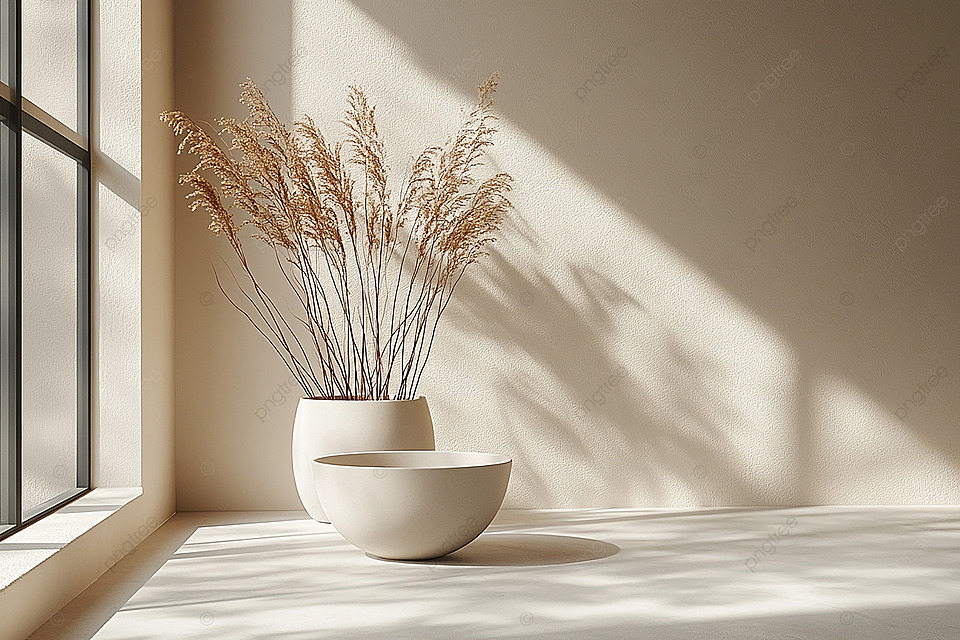
In today’s fast-paced world, we are constantly surrounded by noise, distractions, and endless things to buy. From social media trends to online shopping offers, it feels like we always need more. But what if the secret to happiness is not having more — but needing less?
Minimalism is not about living with nothing. It’s about living with intention.
What is a Minimalist Lifestyle?
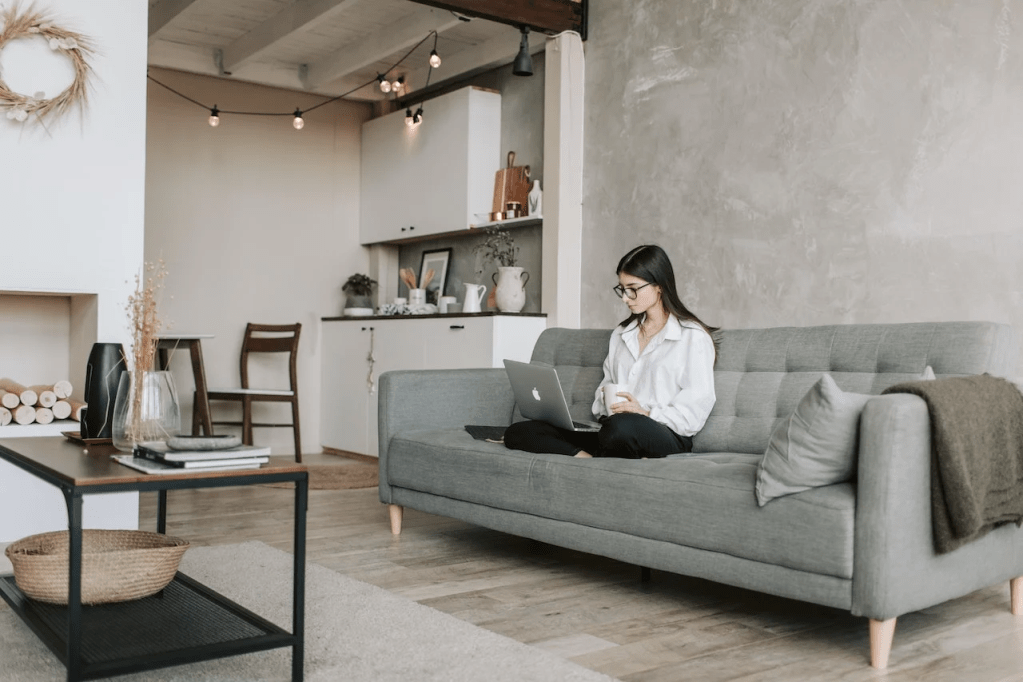
A minimalist lifestyle means focusing only on what truly adds value to your life and removing everything that does not. It is about simplifying your surroundings, your schedule, and even your thoughts.
Minimalism does not mean you have to live in an empty house or wear only white clothes. It simply means:
- Owning things that you truly use and love
- Avoiding unnecessary shopping
- Reducing mental and physical clutter
- Prioritizing experiences over material items
Why Choose Minimalism?
Many people are choosing minimalism because it brings peace and clarity. When your space is clean and organized, your mind feels calmer.
Here are some key benefits:
Less Stress
Too much clutter can make you feel overwhelmed. A clean and simple environment helps reduce anxiety.
More Money Saved
When you stop buying unnecessary things, you naturally save more money.
More Time
Less cleaning, less organizing, and less shopping means more time for yourself and your loved ones.
Better Focus
With fewer distractions, you can focus better on your goals and personal growth.
How to Start Living with Less

Starting a minimalist lifestyle does not require a big change overnight. Small steps can make a big difference.
1. Declutter Your Space
Start with one room or even one drawer. Remove items you don’t use or need. If you haven’t used something in a year, it may be time to let it go.
2. Shop Mindfully
Before buying anything, ask yourself:
- Do I really need this?
- Will I use it regularly?
- Does it add value to my life?
If the answer is no, skip it.
3. Simplify Your Wardrobe
Keep clothes that you actually wear and feel comfortable in. A simple wardrobe makes daily decisions easier.
4. Reduce Digital Clutter
Unsubscribe from unnecessary emails, delete unused apps, and limit social media time.
5. Focus on Experiences
Spend more on experiences like travel, learning, and family time rather than material things.
Minimalism and Mental Health
Minimalism is not just about physical items; it also helps improve mental health. When you remove unnecessary distractions, you create space for clarity and positivity.
You begin to appreciate simple things — a quiet morning, a meaningful conversation, or time spent on hobbies. Living with less allows you to feel more.
Common Myths About Minimalism
Myth 1: Minimalism is boring.
Truth: It helps you focus on what truly excites and fulfills you.
Myth 2: You must throw everything away.
Truth: Minimalism is personal. You decide what stays and what goes.
Myth 3: It is only for rich people.
Truth: Anyone can practice minimalism, regardless of income.
Final Thoughts
Minimalism is not about sacrificing happiness; it’s about discovering it in simpler ways. When you remove what is unnecessary, you make space for what truly matters — peace, relationships, growth, and purpose.
Living more with less is not about having fewer things. It is about having more meaning.
Ultimate Holi Adventure: Best Places in India to Experience the Festival
Holi is not just a festival in India; it is an emotion that brings people…

Hot Weather Fashion: How to Stay Cool Without Compromising Style
Hot weather can quickly become uncomfortable if you’re wearing heavy or tight clothing. The right…
Ultimate Travel Guide to Bhutan: Everything You Need to Know Before You Go 🏔️
Nestled in the eastern Himalayas, Bhutan is unlike any other travel destination in the world….

Most Popular Adventure Destinations Around the World
Adventure travel is more than just visiting new places. It is about stepping outside your…

Why Dubai Is the World’s Ultimate Luxury Destination
Luxury means different things in different parts of the world. In some cities, it is…

Top 10 Women’s Day Fashion Accessories Every Woman Will Love
International Women’s Day is the perfect opportunity to celebrate the strength, grace, and achievements of…
#MinimalistLifestyle #SimpleLiving #LiveWithLess #IntentionalLiving #LifestyleBlog #PersonalGrowth #DeclutterLife #HealthyMind #Carrerbook #Anslation