
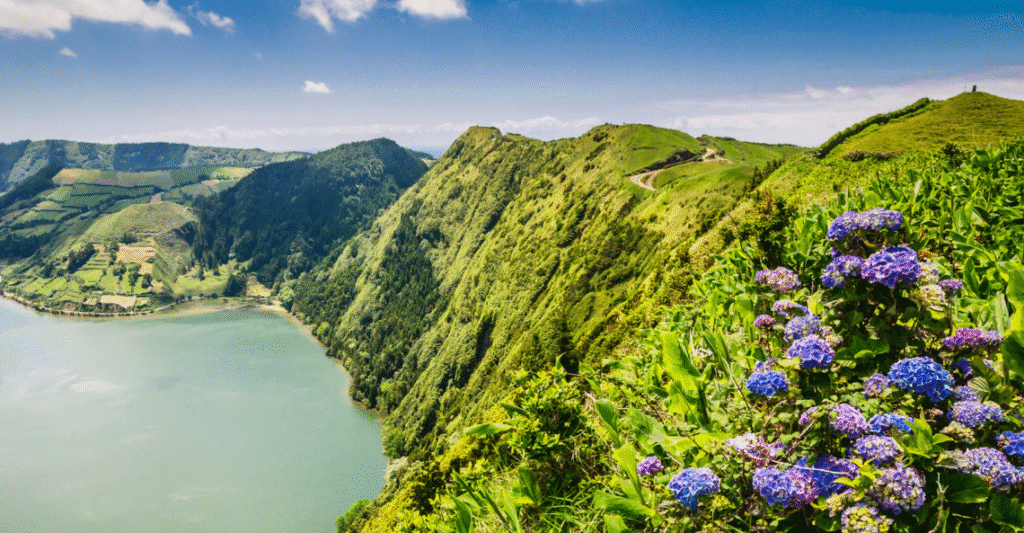
If you’ve been typing “Is the Azores worth visiting?” into Google lately, you’re not alone. Quietly sitting in the middle of the Atlantic Ocean, the Azores have gone from a whispered travel secret to one of Europe’s most searched island destinations. Travelers aren’t just curious—they’re wondering if this Portuguese archipelago really lives up to the hype.
Short answer: yes, but not for the reasons most people expect.
The Azores aren’t about luxury resorts or buzzing nightlife. They’re about raw nature, dramatic landscapes, and the kind of calm that’s becoming rare in popular tourist spots. As one traveler perfectly put it, “The Azores don’t try to impress you—they just exist, and that’s what makes them unforgettable.”
What Makes the Azores So Special?
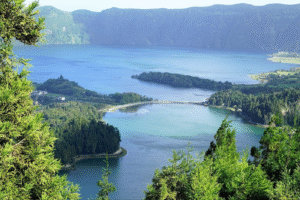

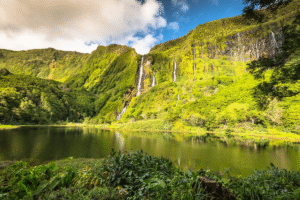

The Azores are made up of nine volcanic islands, each with its own personality. Think emerald-green crater lakes, hot springs hidden in forests, cliffs that drop straight into the ocean, and towns that still feel deeply local.
Unlike many European destinations, the Azores haven’t been overdeveloped. Life moves slower here. Locals greet you without rushing, cows outnumber people in many places, and nature always feels close. That’s exactly why travelers searching for peace, authenticity, and adventure are paying attention.
Best Places to Visit in the Azores
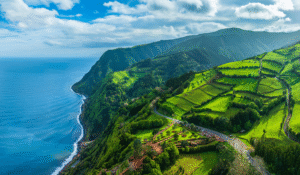


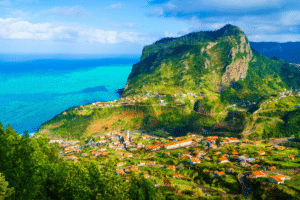
While every island has something unique to offer, these spots consistently top traveler searches and reviews.
São Miguel Island : Often called “the Green Island,” São Miguel is the most visited—and for good reason. Lagoa das Sete Cidades, a twin-colored lake inside a massive crater, feels almost unreal. Furnas is famous for its hot springs and geothermal activity, while Ponta Delgada offers charming streets, waterfront cafés, and historic architecture.
Pico Island : Home to Portugal’s highest mountain, Mount Pico attracts hikers and wine lovers alike. The island’s volcanic vineyards, a UNESCO World Heritage Site, are unlike anything you’ll see elsewhere in Europe.
Terceira Island : Terceira blends history with culture. Angra do Heroísmo, another UNESCO site, features pastel buildings, cobbled streets, and a lived-in charm that feels refreshingly genuine.
Faial Island : Known as the “Blue Island,” Faial is popular with sailors and offers one of the most striking volcanic landscapes at Capelinhos, where land was literally created by an eruption in the 1950s.
As one visitor wrote in a travel journal, “Every island feels like a different country, yet they all speak the same quiet language of nature.”
Famous Food You Must Try in the Azores



Azorean food is simple, hearty, and deeply connected to the land and sea. It doesn’t chase trends—it honors tradition.
One dish everyone talks about is Cozido das Furnas, a slow-cooked stew made underground using volcanic heat. Meat, vegetables, and sausages are buried in the earth and cooked naturally for hours. It’s not just a meal; it’s an experience.
Seafood lovers will appreciate grilled limpets, fresh tuna, and octopus stews that taste cleaner and richer thanks to the Atlantic waters.
Cheese is another standout, especially São Jorge cheese, known for its bold, slightly spicy flavor. Pair it with local bread and wine, and you’ll understand why food searches related to the Azores keep rising.
A local chef once said, “Our food doesn’t need decoration. If the ingredients are honest, the flavor speaks for itself.”
When Is the Best Time to Visit the Azores?



Timing matters more here than people realize.
The best time to visit the Azores is from May to October. During these months, the weather is milder, hiking trails are accessible, and the islands feel alive without being overcrowded.
If whale watching is on your list, April to June is ideal. The Azores are one of the best places in the world to see whales and dolphins, with over 20 species passing through.
Winter, from November to March, is quieter and greener but comes with more rain and unpredictable weather. It’s perfect if you value solitude and don’t mind changing plans.
As a seasoned traveler once shared, “The Azores teach you to stop fighting the weather and start traveling with it.”
Is the Azores Worth Visiting for You?
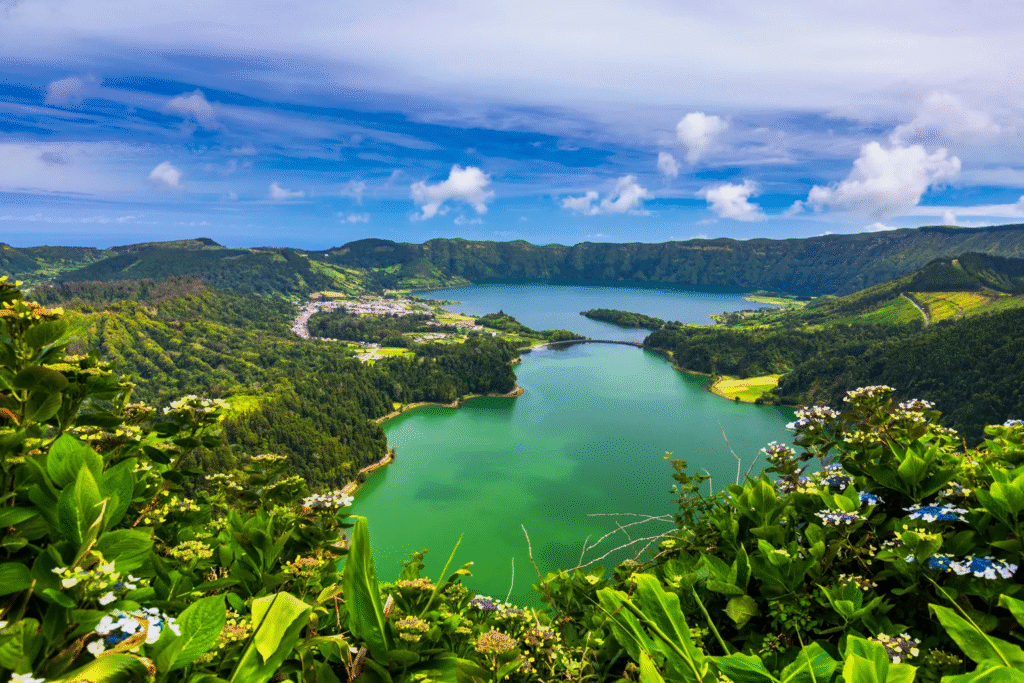
The Azores are worth visiting if you love nature, value sustainability, and prefer experiences over attractions. They’re ideal for hikers, photographers, couples seeking quiet escapes, and travelers tired of crowded destinations.
However, if you’re looking for luxury shopping, nightlife, or guaranteed sunshine every day, this might not be your place—and that’s okay.
What makes the Azores special is exactly what keeps them from becoming just another trendy island.
Final Thought
The reason the Azores keep trending in searches isn’t clever marketing or viral moments. It’s curiosity fueled by something real. In a world where travel often feels rushed and overfiltered, the Azores offer space to breathe, reflect, and reconnect with nature.
As one traveler summed it up beautifully, “The Azores didn’t change my life—but they reminded me how simple happiness can be.”
Ultimate Holi Adventure: Best Places in India to Experience the Festival
Holi is not just a festival in India; it is an emotion that brings people…

Hot Weather Fashion: How to Stay Cool Without Compromising Style
Hot weather can quickly become uncomfortable if you’re wearing heavy or tight clothing. The right…

Ultimate Travel Guide to Bhutan: Everything You Need to Know Before You Go 🏔️
Nestled in the eastern Himalayas, Bhutan is unlike any other travel destination in the world….

Disclaimer
This article is based on traveler experiences, general tourism insights, and publicly available information. Travel conditions, weather, and local regulations may change. Always check official tourism sources and local guidelines before planning your trip.
#AzoresTravel #VisitAzores #EuropeHiddenGems #IslandTravel #NatureLovers #SustainableTravel #AzoresIslands #TravelInspiration #Carrerbook #Anslation