
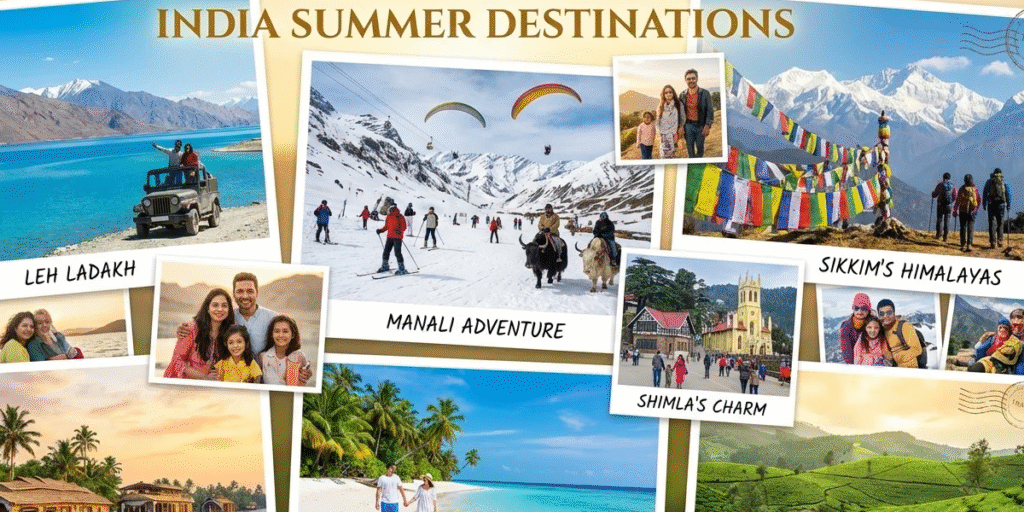
India all but overflows with one-of-a-kind experiences, cultures, landscapes, cuisines and religions. If you can think of it, chances are that India has it, and probably a superlative version of it. A gigantic salt desert. The largest river island. The world’s largest floating park. A village that disappears in the monsoon and reappears in summer. A park with white tigers. A city of lakes. These are but some of the unforgettable places and experiences to be found here.
It’s simply not possible to soak in the incredible scope of this continent-size country – where the culture, language and landscape changes every few miles – in just one trip, or even one lifetime. So as a traveler, you’re best off picking a region or a state and dedicating time to exploring it for as long as you can stay. To help you narrow it down, here’s our pick of the top places to visit in India.
To explore more about India and start planning your trip, download the Lonely Planet App .
1. Delhi
Best for history and architecture buffs
Red Fort, Delhi. Matt Munro/Lonely Planet
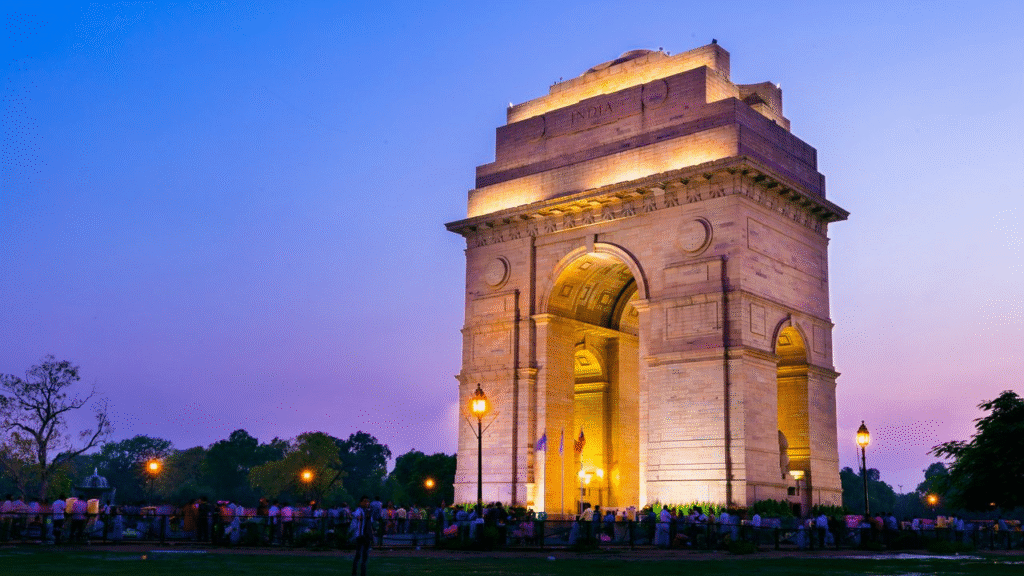
India’s historic capital region is the starting point of India’s most popular tourist circuit: the Golden Triangle, linking Delhi, Agra and Jaipur. Both a major metropolis and a Union Territory of its own, Delhi comprises Old Delhi (aka Shahjahanabad) and British-built New Delhi, India’s capital. Centuries of major events have taken place in its streets, and if you walk almost anywhere in Old Delhi or New Delhi, you’re likely to come across a historic building, ancient monument, or timeworn tomb, mosque or fort.
Topping the short list of must-sees are Mughal- and Delhi Sultanate–era buildings such as UNESCO World Heritage–listed Humayun’s Tomb in Nizamuddin; the Qutb Minar in south Delhi; the Jama Masjid and Red Fort in Old Delhi; and the Jantar Mantar observatory in New Delhi. Also make time for the 1980s Bahai House of Worship (Lotus Temple) and elegant, British Raj–era India Gate, at the heart of Delhi’s government district.
Delhi is intense and chaotic but always interesting, and it’s home to some of the finest cuisine (and street food) in the country. This is also a city that comes up trumps when it comes to entertainment – a visit to the bars and cafes of Hauz Khas Village in the evening will prove that point. And Delhi’s markets – Karol Bagh, Janpath, Paharganj, Sarojini Nagar, Khan Market and Chandni Chowk – are great for picking up souvenirs and affordable fashions.
How many days to visit: Allow at least 3 days.
Best time to visit: The best time of the year to explore Delhi is October to March.
Planning tip: Old Delhi has a big personality and is definitely a must-see. But it’s also hectic and stressful, with crazy traffic, pickpockets and touts. If you like to chill at the end of the day, don’t book your accommodations here. There are plenty of more relaxed options further south.
2. Darjeeling, West Bengal
Best for tea and toy trains
The toy train of Darjeeling Himalayan Railway (DHR) in Darjeeling. Abhishek Sah Photography/Shutterstock
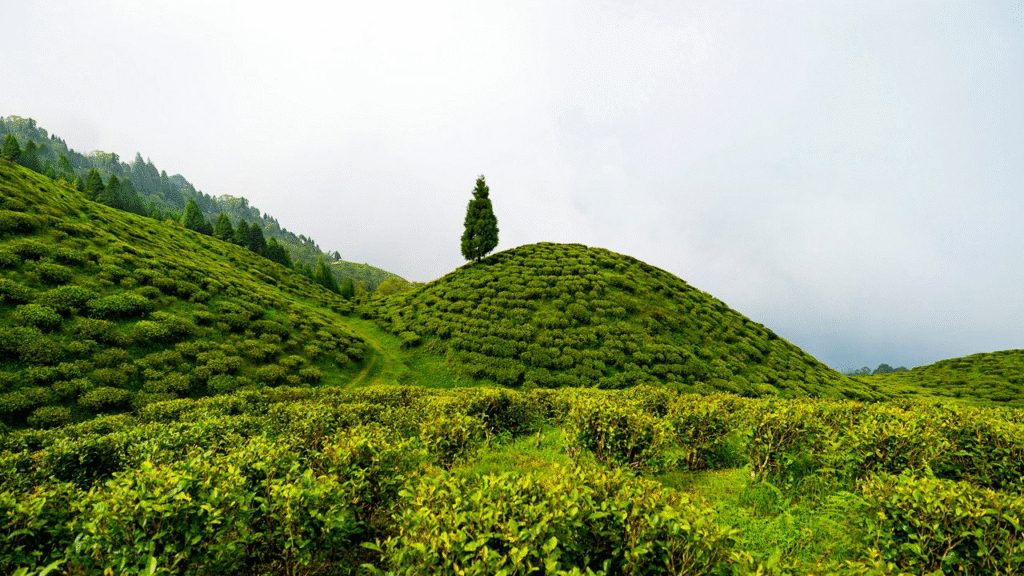
The former summer capital of the British Raj, the hill station of Darjeeling is nestled in the foothills of the Himalayas. Kanchenjunga (Khangchendzonga) – the world’s third-highest mountain at 8586m – looms benevolently over this lovely city, with its silver fir forests, meandering roads, lush tea gardens and plunging valleys.
As well as seeing relics of British colonialism, you can take a camping trek to the Singalila National Park, check out the Himalayan Mountaineering Institute (where Tenzing Norgay was once director), climb up to Tenzing Rock, shop and promenade on the Mall and sample some of India’s finest brews at one of the city’s many tea estates. For a more spiritual experience, seek out peace at the Japanese Peace Pagoda; the Ghum, Dali and Bhutia Busty Buddhist monasteries; or the Mahakal Temple on Observatory Hill, where Hindu and Buddhist deities reside together.
However, the pride of Darjeeling is the narrow-gage “toy train” that travels along the Darjeeling Himalayan Railway. This UNESCO World Heritage–listed route runs downhill to New Jalpaiguri (NJP) to connect with trains from Kolkata. Most tourists focus on the short leg involving a steam locomotive, between Darjeeling and Ghum.
How many days to visit: Allow at least 3 days, longer if possible.
Best time to visit: Autumn and spring are the best seasons to visit; winter is cold and often cloudy, while monsoon season from June to September is best avoided.
Planning tip: For a change of scene, more beautiful hill stations surround Darjeeling, such as Kalimpong, Kurseong and Mirik – all accessible by shared 4WD.
3. Varanasi, Uttar Pradesh
Best for spirituality and street food
A Ganga aarti ceremony, Varanasi. Annie Greenberg/Lonely Planet
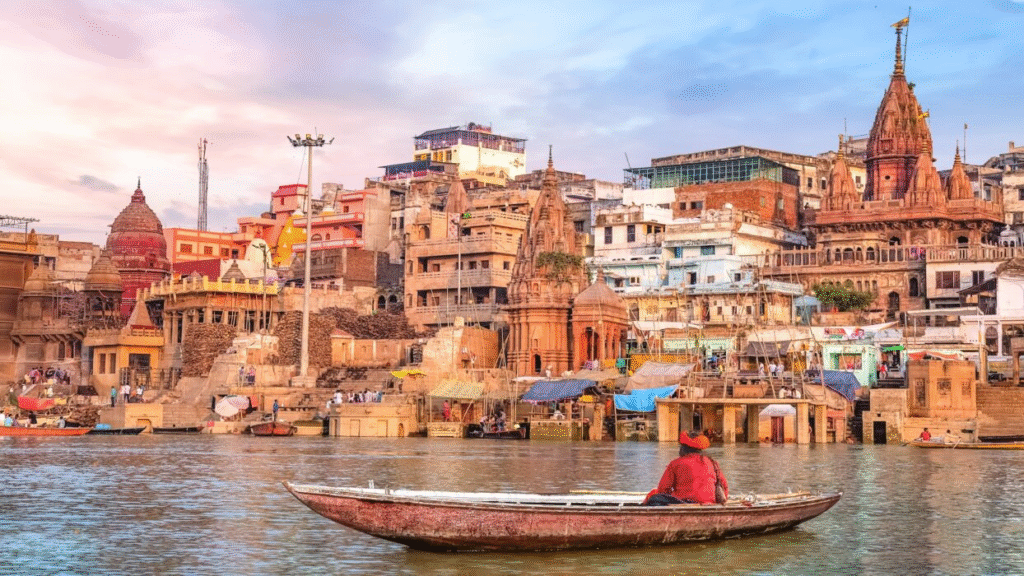
Perhaps India’s most sacred city, Varanasi is where you go for a dose of spirituality. Located on the banks of the holy River Ganges (Ganga), the city’s riverside ghats play host to thousands of pilgrims, who gather to bathe and seek redemption, cremate the dead and partake in rituals. In one day, you can observe the whole cycle of life and death play out on the banks of the river.
The Ganga aarti ceremony (lighting of lamps or candles), traditionally conducted at dusk, is an incredible visual spectacle. Many visitors also gather to watch – respectfully – the funeral services at Manikarnika Ghat. A walk through the city behind the ghats will introduce you to historic buildings such as Ramnagar Fort, the revered Kashi Vishwanath Temple, Alamgir Mosque and Man Mandir Observatory. The Buddhist pilgrimage site of Sarnath, where the Buddha preached his first sermon, is a short drive outside the city.
Varanasi also has a thriving street food culture. Its tangled lanes and bazaars are filled with vendors dishing out kachoris (fried stuffed pastries), chaats (savory snacks), jhal muri (puffed rice, vegetables and spices) and aloo puri (puffed flatbread with spiced potatoes).
How many days to visit: Stay at least 2 days.
Best time to visit: The monsoon rains recede from October, making late autumn a great time to visit.
Planning tip: Two souvenirs unique to the region are Benarasi paan (betel nut for chewing, with dried dates) and the Benarasi sari, woven from local silk with fine silver or gold brocade.
4. Udaipur, Rajasthan
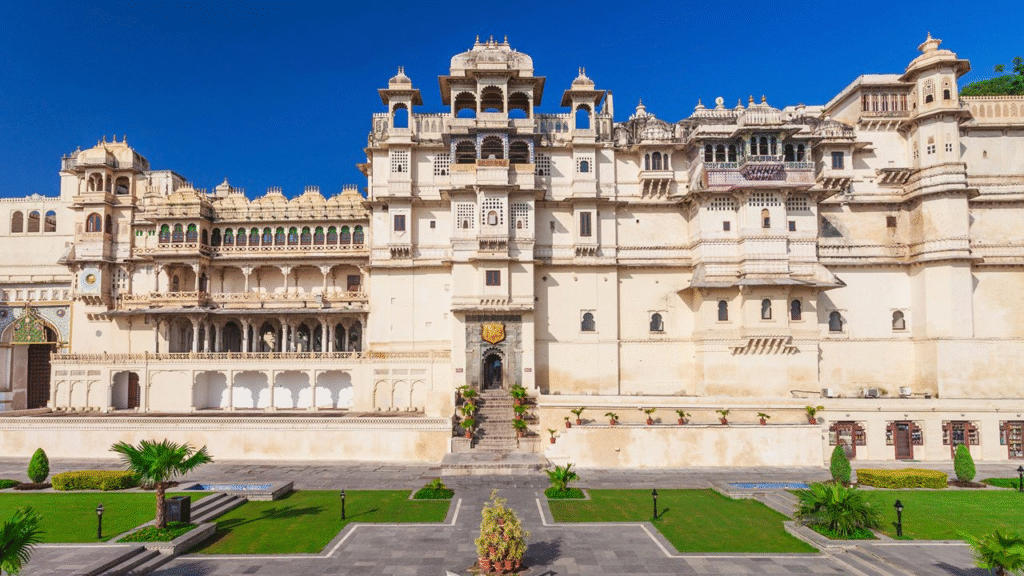
Best for boat rides
Boats on Lake Pichola, Udaipur. Pete Seaward for Lonely Planet
Rajasthan doesn’t go light on the nicknames. If Jaipur is the Pink City and Jodhpur the Blue City, then Udaipur is the White City and the City of Lakes. (The last one is rather on the nose, as the city is indeed surrounded by seven lakes.)
There is so much to do in this vibrant city. Take in the view from the City Palace, then trek up to the Sajjan Garh Monsoon Palace overlooking Fateh Sagar Lake. Don’t miss a boat ride on Lake Pichola to admire the city’s floating palaces – an experience that’s touristy, sure, but also highly recommended. Udaipur also has its own ghats, of which Gangaur is the most popular.
To get close to the city’s spiritual side, marvel at the intricate sculptures covering the Jagdish Temple, or take the ropeway to Karni Mata Temple, high above the lakeshore. By the water at Gangaur Ghat, Bagore-ki-Haveli is a museum by day and a performance venue by night – come here in the early evening to see traditional Rajasthani dances.
5.Goa
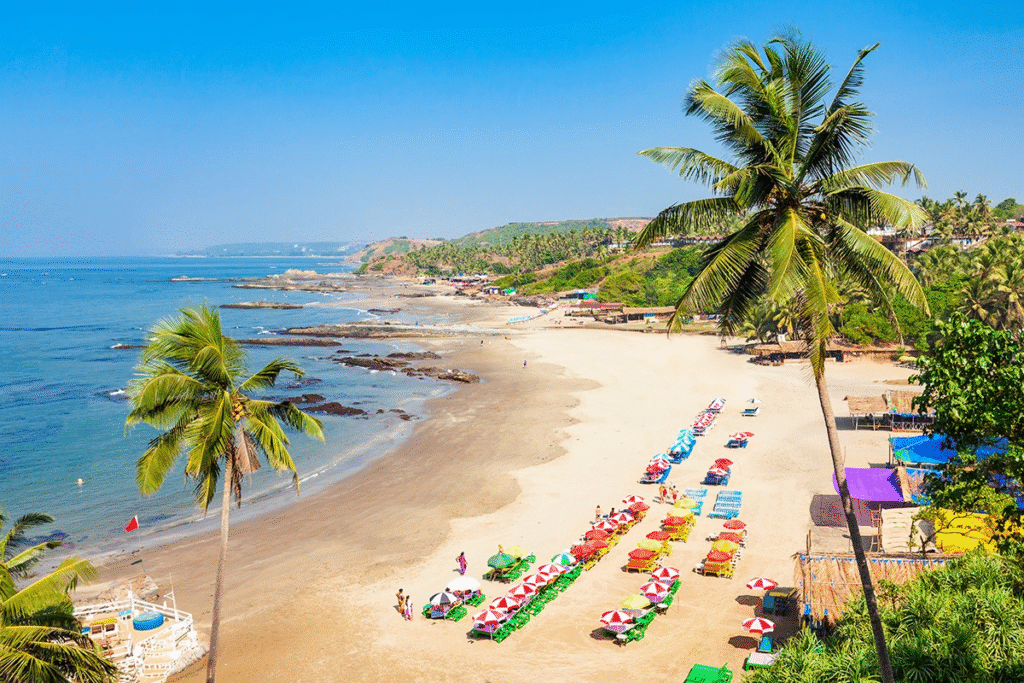
Best for relaxation
Arambol Beach, Goa. Denis.Vostrikov/Shutterstock
One of India’s smallest states, Goa is a top holiday spot thanks to its sun, sand, food and overall great vibes. Despite its tiny size, the state is a cultural powerhouse, with unique music, food, dance and architecture all influenced by four centuries of Portuguese colonial rule. Get a glimpse of this heritage at the ruined basilicas of Old Goa, at centuries-old Goan homes such as Figueiredo House and Palácio do Deão, and at concerts of fado and mando music.
Goa is blessed with a long, sandy coastline, and activities from water sports to yoga are centered on its beaches. Yet step away from the sand, and the hinterland reveals quiet villages with interesting local customs and festivals. Goa is also growing as a culinary destination, offering a taste of many different Indian and world cuisines and exciting new interpretations of local food.
How many days to visit: Stay a minimum of 3 days. A week or more is better.
Best time to visit: Summers see high temperatures and humidity, perfect for beach days. Monsoons are majestic and offer a quieter and greener glimpse of Goa. Winter is ideal with pleasant days and cool nights.
Local tip: Consider several factors as you seek out your perfect Goa beach. North Goa has the parties and night markets, hippie culture, surfing schools, buzzing beaches, and hip new cafes and bars. South Goa is known for its natural beauty, quiet strands, wildlife sanctuaries (such as Bhagwan Mahavir near Molem, and Netravali near Palolem) and prehistoric sites such as Usgalimal.
6. Meghalaya
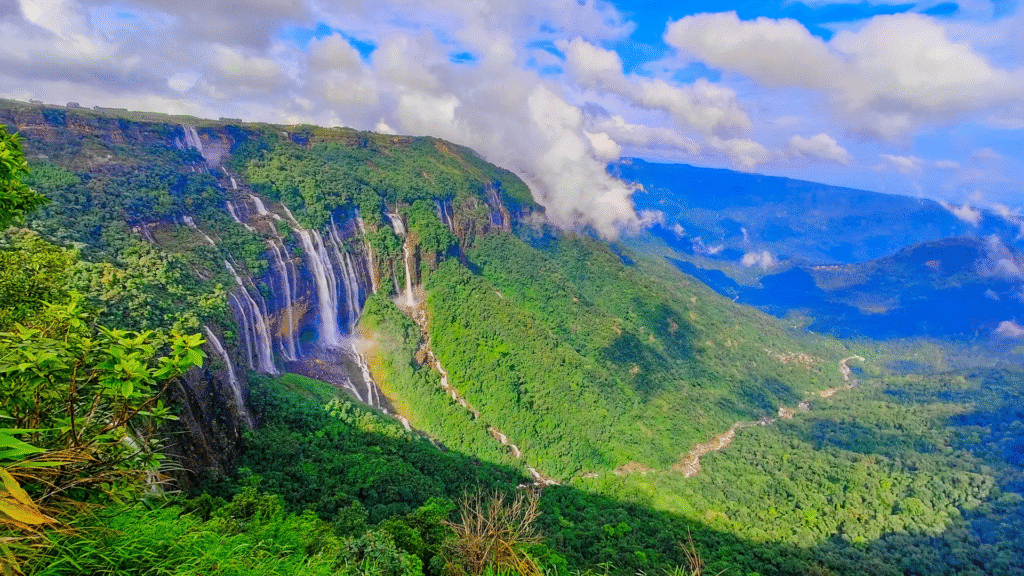
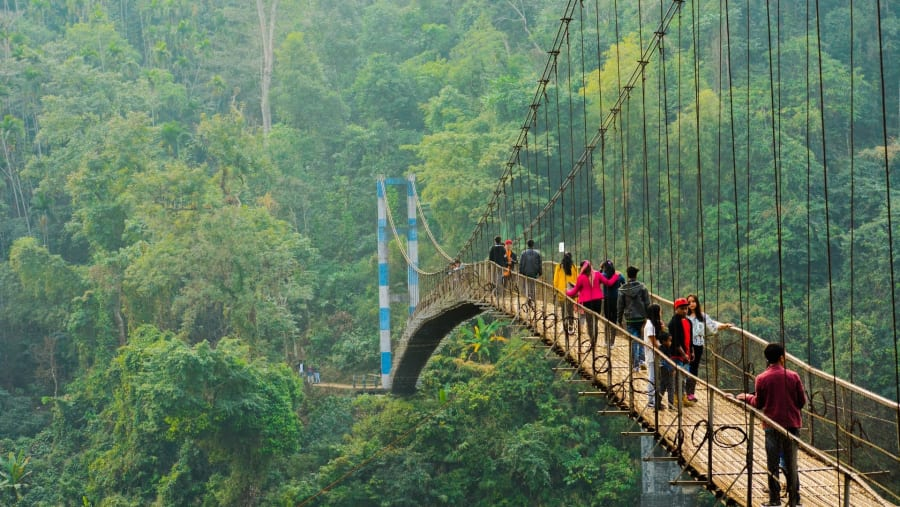
Best for natural beauty
A root bridge near Nongriat. Jonathan Stokes/Lonely Planet
This “abode of the clouds” in India’s often-overlooked northeast bespeaks the country’s enchanting natural beauty. Meghalaya is blessed with thundering waterfalls, green hills and an extensive network of caves and lakes – and relatively few people.
It’s a region ideal for those who love adventure, enjoy trying new and exciting cuisines, and want to understand India’s Adivasi (Indigenous) culture. Definitely make a stop at the village of Mawlynnong near the Bangladesh border, billed as one of Asia’s cleanest villages. The perpetually soaked village of Mawsynram, meanwhile, holds the record as the world’s wettest place.
Something you’ll find only in Meghalaya are the living root bridges. The Khasi people created these marvels of sustainable engineering by coaxing the roots of Indian rubber trees to intertwine, thus naturally forming spans across rivers. Reaching these bridges, especially the famous double-decker root bridge near Nongriat, requires some cardiovascular exercise. You can find more of these beauties around Dawki and Cherrapunji (Sohra).
How many days to visit: Allow at least 5 days to not feel rushed.
Best time to visit: Meghalaya is best explored toward the end of the monsoon, when the rain is receding but waterfalls are still in full flow.
Planning tip: Public transport isn’t great in this small state, so hire a car and driver to get around.
7. Leh, Ladakh
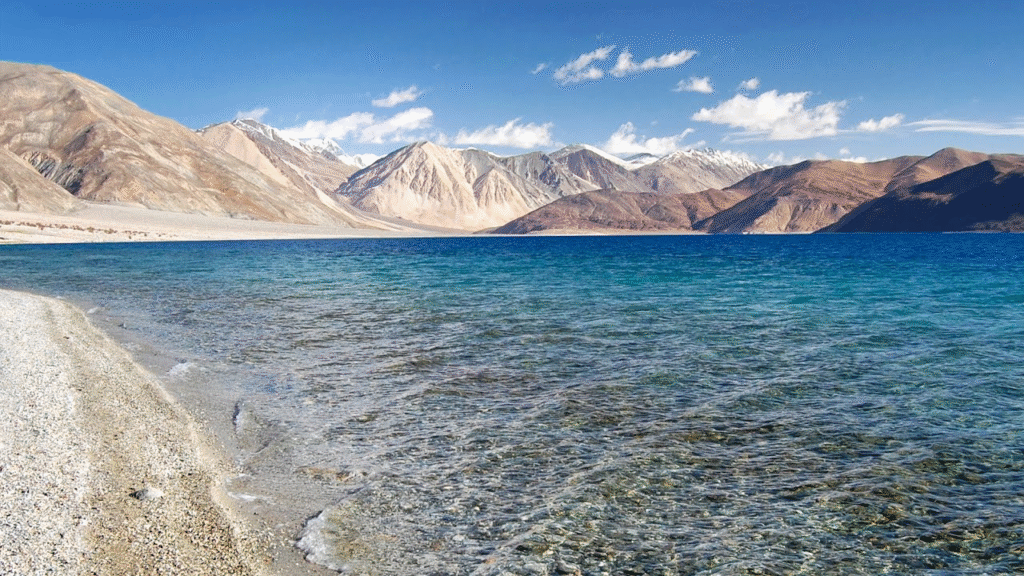
Best for mountains
Motorcycles on a highway in Ladakh. Roop Dey/Getty Images
High in the Himalayas, Ladakh is blessed with stunning vistas, clear skies and dramatically picturesque mountain valleys. Consider the region the ideal spot for anyone looking to slow down, digitally detox and connect with nature.
Adventure aplenty lies in store in Ladakh. You can trek into the lofty Markham and Nubra Valleys, or attempt the climb up the highest trekkable peak in India, 6153m Stok Kangri. Ladakh’s twisting roads offer a uniquely thrilling experience to those seeking an epic road trip – especially the crossing over the Khardung La pass on the highest drivable road in the world.
Most visitors begin their journeys in Leh, a capital city blessed with a cool, dry climate and significant religious sites such as the Shanti Stupa and towering Leh Palace. You can learn about Tibetan and Buddhist culture at Ladakh’s many monasteries (try timeless Thiksey Gompa near Leh) or warm up with some traditional Ladakhi food – a unique mix of Indian, Tibetan and Nepalese culinary traditions.
How many days to visit: Stay a minimum of 5 days, but you could easily spend more than 3 weeks exploring the valleys.
Best time to visit: While summer is the best season to visit Ladakh, it’s also the most crowded time in Leh.
Planning tip: In winter, many parts of Ladakh are closed, and road travel to Leh from Manali or Srinagar is usually only possible from April to November, when the high passes are clear of snow.
8. Kerala
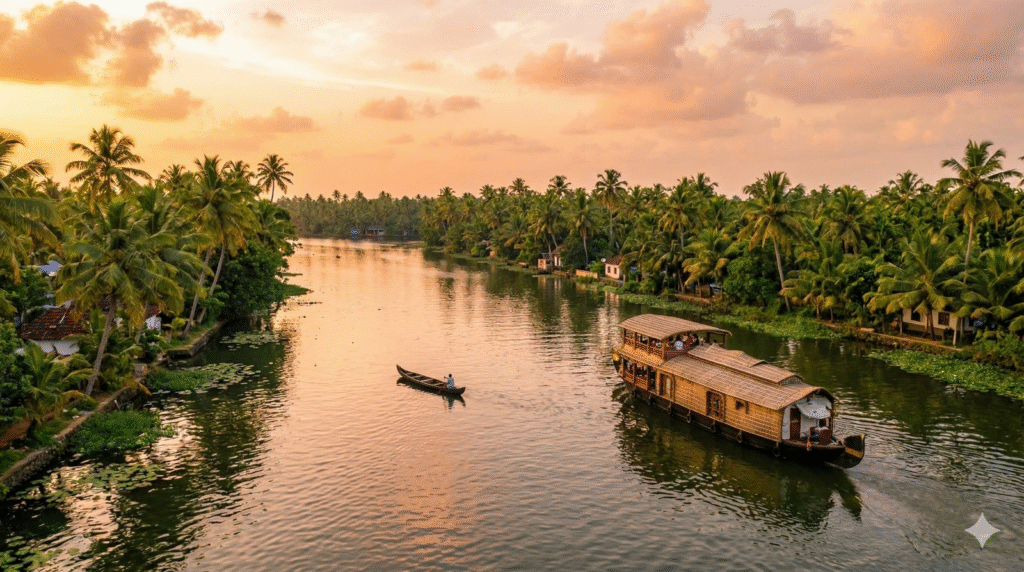
Best for backwaters and beaches
A houseboat on the backwaters of Kerala. Paul Harding/Shutterstock
A lush state that snakes along India’s southwestern coast, Kerala is blessed with beautiful beaches, placid backwaters (navigable inland waterways), rich wildlife and a diverse culture that more than justifies its celebrity status. Yet the steamy southern state offers more than just Ayurvedic massages. Onam, Vishu and other local festivals provide a taste of the state’s rich culture, in the form of dance and music, cuisine, handicrafts and martial arts. Try to catch a performance of Kathakali or mohiniyattam dance.
If you’re lured to Kerala by the sand, the west coast is dotted with unspoiled beaches such as Kovalam and Varkala, while Alappuzha (Alleppey) is the gateway to backwater cruises by houseboat. To the east are hill stations such as Munnar, Wayanad and Thekkady, where tea, coffee and spice plantations sprawl luxuriantly across the hillsides. Sloth bears, Indian bison and tigers can be found in wildlife sanctuaries such as Mangalavanam Bird Sanctuary, Aralam, Neyyar and Begur, and in national parks such as the Periyar Tiger Reserve.
How many days to visit: 10 days will allow you to dive into a classic Kerala itinerary.
Best time to visit: November to March means pleasant tropical weather, while March to June is hot.
Planning tip: If you want to explore the historic port city of Kochi (Cochin) – and you should – time your visit to the Kochi-Muziris Biennale, a popular contemporary arts festival.
Kerala: God’s Own Country and Wellness Hub
Following the 2025 Health Tourist Places Summit, Kerala has solidified its status as a global “Wellness Sanctuary”. It is the ultimate spot for a digital detox, offering Ayurvedic treatments that rejuvenate the mind and body. Drifting through the Alleppey backwaters in a traditional houseboat remains the definition of slow living.
Kerala guide Discover the Top Tourist Places in India routes and stays in God’s Own Country.