
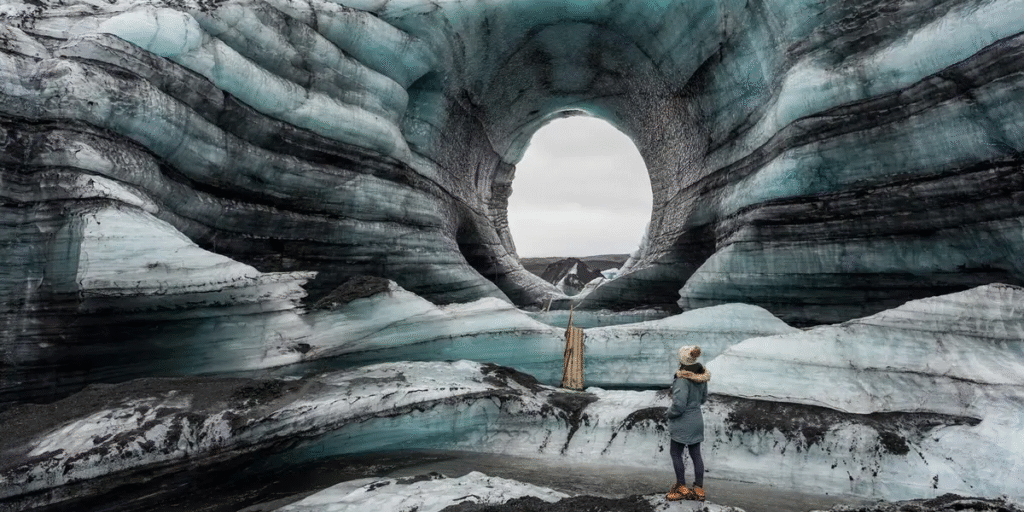
Iceland is often seen as one of the most expensive travel destinations in the world, but that reputation only tells part of the story. While it is true that food, accommodation, and transport can be pricey, the country’s natural beauty is mostly free to explore. With careful planning and a flexible travel style, you can experience Iceland’s glaciers, waterfalls, volcanoes, and black sand beaches without overspending. The secret is understanding where your money goes and making smart choices before and during your trip.
Understanding Why Iceland Feels Expensive
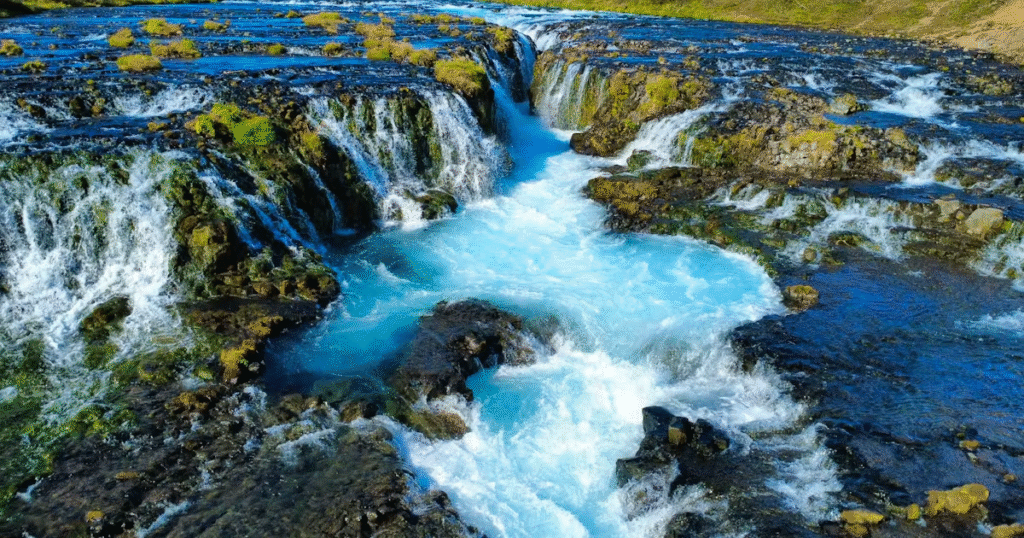
The high cost of living in Iceland comes mainly from its geographic isolation and reliance on imports. Almost everything from food to fuel is brought in from outside the country, which increases prices significantly. Tourism has also grown rapidly, which has pushed accommodation and tour costs higher in popular areas like Reykjavik. However, once you step outside the city, many of Iceland’s most stunning attractions—like waterfalls, cliffs, and geothermal areas—are completely free, which helps balance out the overall travel cost if you plan wisely.
Best Time to Visit Iceland for a Budget Trip
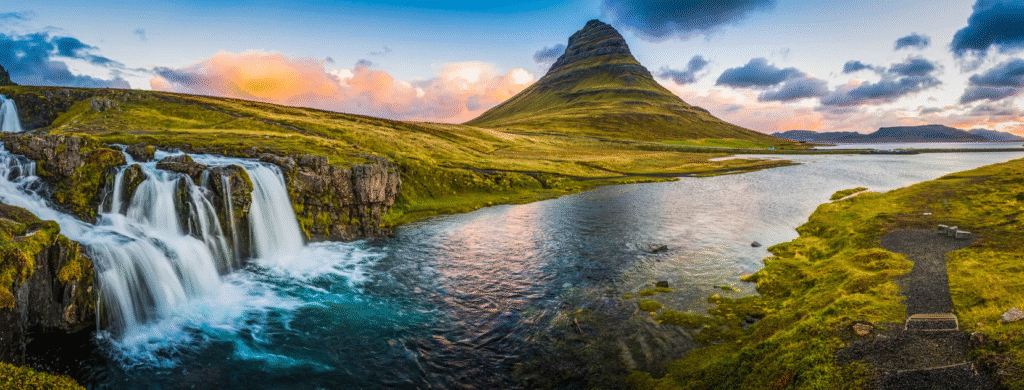
If saving money is your priority, timing your trip correctly makes a huge difference. The cheapest months to visit are typically from October to March, excluding the Christmas and New Year period. During these months, flights and hotels drop significantly in price, and crowds are much smaller. The downside is colder weather and fewer daylight hours, but Iceland’s winter landscapes and northern lights can make up for it. A balanced option is the shoulder season, especially April–May or September, when prices are moderate and weather conditions are still manageable for road trips and sightseeing.
Flight Planning and Smart Booking Strategy
Flights are often the biggest upfront cost, so planning early is essential. Booking two to three months in advance usually gives the best balance between price and availability. Travelers who are flexible with dates often find cheaper fares by flying mid-week rather than on weekends. Another useful strategy is choosing flights with layovers in European cities, which are often cheaper than direct routes. Being open to different arrival times and airports can easily save a significant portion of your budget before the trip even begins.
Budget Accommodation Options in Iceland
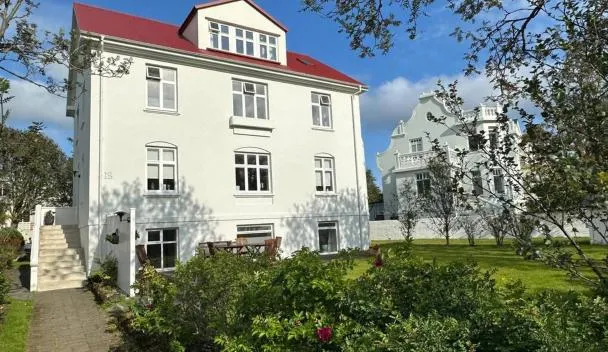
Accommodation in Iceland can quickly become expensive if booked late or in peak season, but there are still affordable options available. Hostels, guesthouses, and shared Airbnb rooms are the most common budget choices, especially for solo travelers or couples. Campsites are another excellent option during warmer months and offer some of the cheapest stays in the country. Many budget travelers choose to stay in and around Reykjavik for a night or two, but then move to rural areas where accommodation can sometimes be cheaper and much closer to natural attractions.
Transportation: The Smart Way to Get Around
Getting around Iceland efficiently is key to controlling your expenses. Renting a car is the most popular option because it offers flexibility and allows access to remote locations that public transport doesn’t cover well. If you are traveling in a group, splitting the cost of a rental car and fuel can make it surprisingly affordable. Solo travelers sometimes prefer buses or organized tours, but these can limit flexibility. One important tip is to avoid taxis entirely, especially from the airport, as they are extremely expensive compared to shuttle services.
Eating Cheap Without Sacrificing the Experience
Food is one area where travelers often overspend without realizing it. Dining out in Iceland can be very expensive, so most budget travelers rely on supermarkets like Bonus or Krónan. Cooking your own meals, even simple ones, can dramatically reduce daily expenses. Many hostels provide kitchen facilities, making it easy to prepare basic food like pasta, sandwiches, or instant meals. Carrying snacks during road trips also helps avoid unnecessary spending at gas stations or tourist stops where prices are higher.
Free and Low-Cost Experiences in Iceland
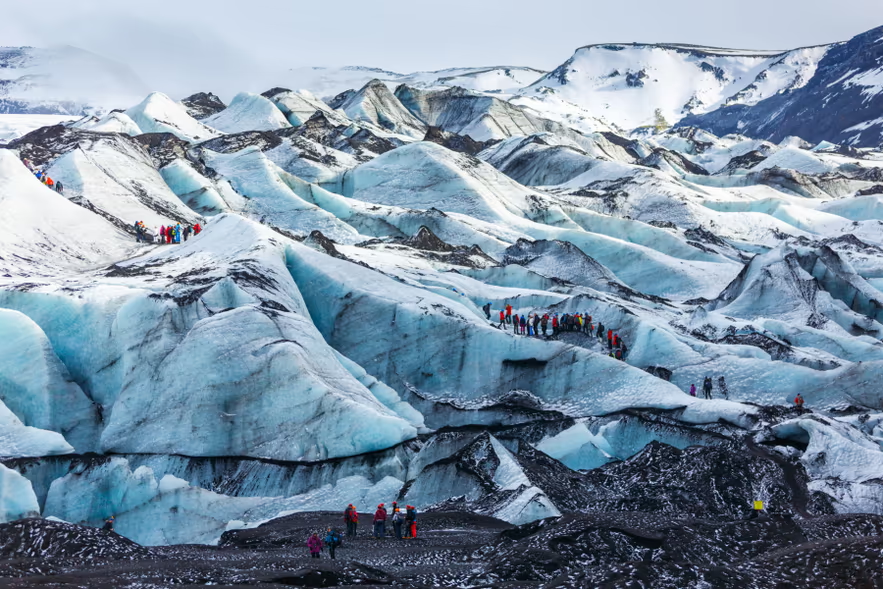
One of the best things about Iceland is that its most iconic attractions do not require an entry fee. Waterfalls such as Seljalandsfoss and Skógafoss, black sand beaches, volcanic landscapes, and dramatic cliffs are all freely accessible. Hiking is another major highlight and offers incredible views without any cost. Even activities like watching the northern lights or exploring geothermal areas can be done independently without paying for expensive tours. This makes Iceland especially rewarding for travelers who prefer nature over paid attractions.
Budget Breakdown Table for a 7-Day Trip
| Expense Category | Estimated Cost (USD) | Budget Strategy |
|---|---|---|
| Flights | $400 – $900 | Book early, flexible dates |
| Accommodation | $40 – $120 per night | Hostels, guesthouses, camping |
| Food | $20 – $50 per day | Cook meals, avoid restaurants |
| Transport | $40 – $100 per day | Rental car shared or buses |
| Activities | $0 – $80 per day | Focus on free natural sites |
| Total Trip Cost | $900 – $2,000 | Depends on travel style |
Sample Budget-Friendly 7-Day Plan
A well-planned week in Iceland can cover some of the country’s most famous highlights without overspending. Most travelers begin in Reykjavik, spending a day adjusting and exploring the city before heading out on the Golden Circle route, which includes national parks, geysers, and waterfalls. The following days are often spent along the south coast, where glaciers, black sand beaches, and dramatic waterfalls dominate the scenery. Mid-trip, many travelers choose either short hikes or glacier experiences depending on budget. The final days are usually a mix of scenic drives, hot springs, and a return to Reykjavik before departure.
Money-Saving Travel Tips That Actually Work
Small decisions can make a big difference in Iceland. Traveling with friends helps reduce costs for accommodation and car rentals. Carrying a reusable water bottle is also useful since Iceland’s tap water is among the cleanest in the world and completely free. Planning your route in advance reduces fuel costs, and avoiding peak summer months helps you get better prices on almost everything. Even choosing simple gas station meals instead of restaurants can significantly cut your daily budget.

Affordable Windsor Travel: Best Ways to Visit on a Budget
Windsor has a well-deserved reputation for royal heritage, rich history, and timeless English elegance. However,…
Everything You Need to Know Before Visiting Windsor: The Ultimate Travel Guide
When people talk about visiting England, their minds usually jump straight to London. But just…
How to Get from Bali to Lombok: Complete 2026 Travel Guide
Planning a trip from Bali to Lombok is one of the best decisions you can…
Experience Sweden Like a Local: Hidden Spots and Authentic Adventures
Sweden is often celebrated for its stunning landscapes, innovative cities, and world-famous attractions. While destinations…
Canadian Lifestyle: What Makes Canada So Special?
When people talk about countries that offer a high quality of life, Canada is almost…
Ultimate Finland Itinerary: Best Places to Visit in Every Season
Finland is one of those rare destinations that changes completely with every season. In winter,…