
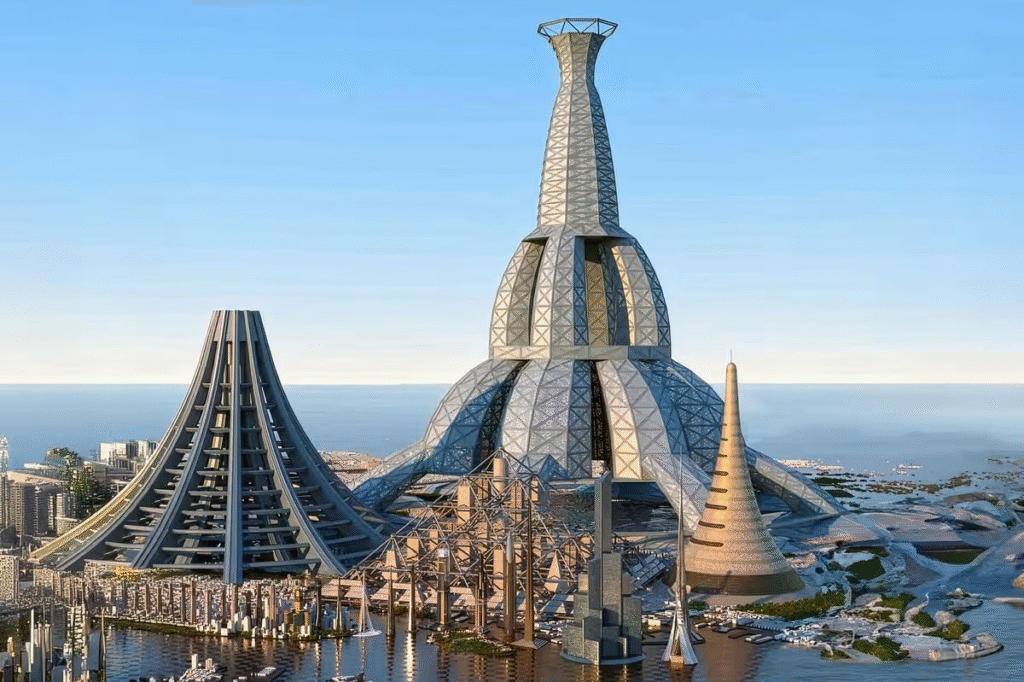
For centuries, humans have tried to touch the sky. From ancient pyramids to modern skyscrapers, tall structures have always symbolized power, innovation, and ambition. Today’s tallest buildings are not just about height—they represent cutting-edge engineering, bold design ideas, and a glimpse into the future of urban living. In this blog, we explore the world’s tallest buildings, the records they hold, the designs that make them possible, and the future giants that may soon redefine skylines again.
Why Tall Buildings Fascinate the World

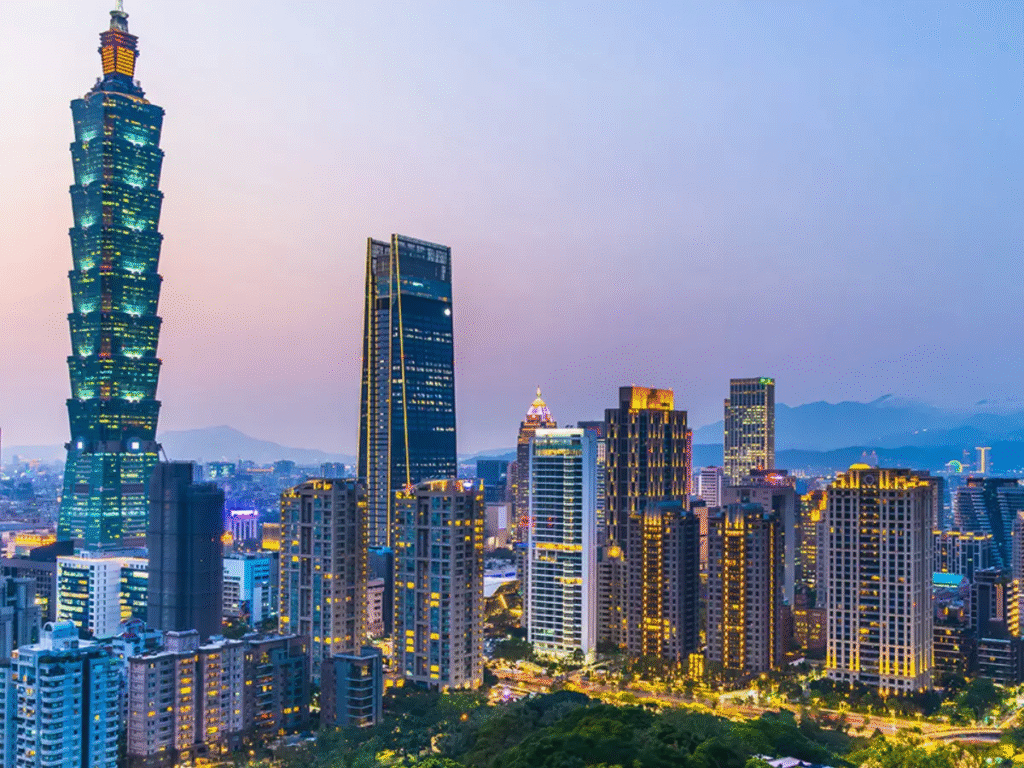
Tall buildings capture global attention because they push the limits of what humans can build. They showcase how architecture, technology, and creativity come together to solve challenges like wind pressure, earthquakes, space shortages, and sustainability. For growing cities, skyscrapers are also a practical solution, allowing more people to live and work within limited land.
Beyond function, these structures become cultural icons. Cities like Dubai, Shanghai, and New York are instantly recognized by their skylines, dominated by towering landmarks that reflect local ambition and global influence.
Current Record Holders: The Tallest Buildings Today
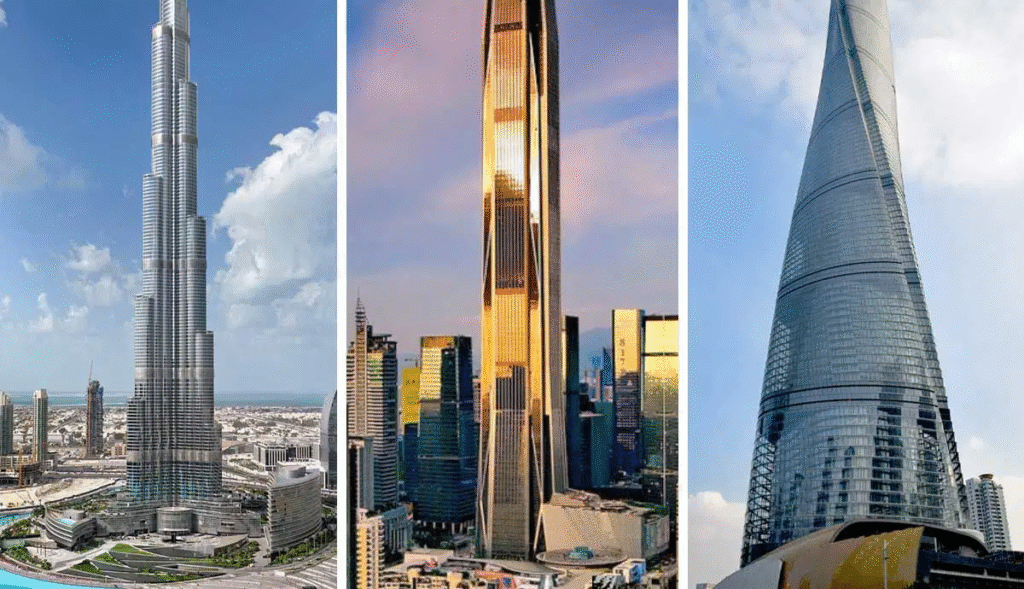
Burj Khalifa, Dubai
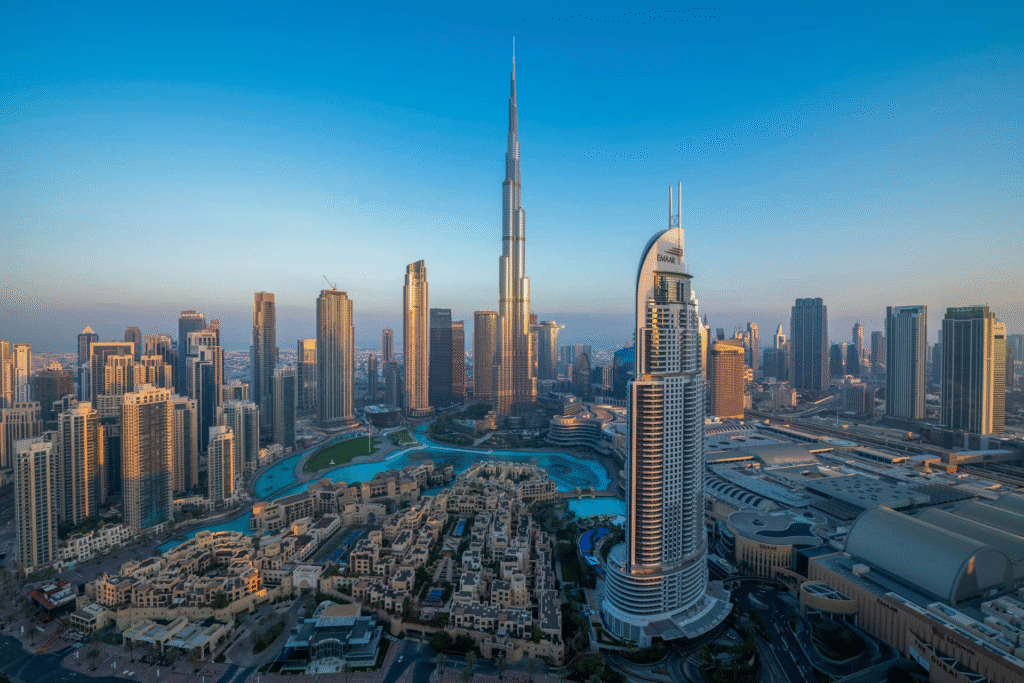
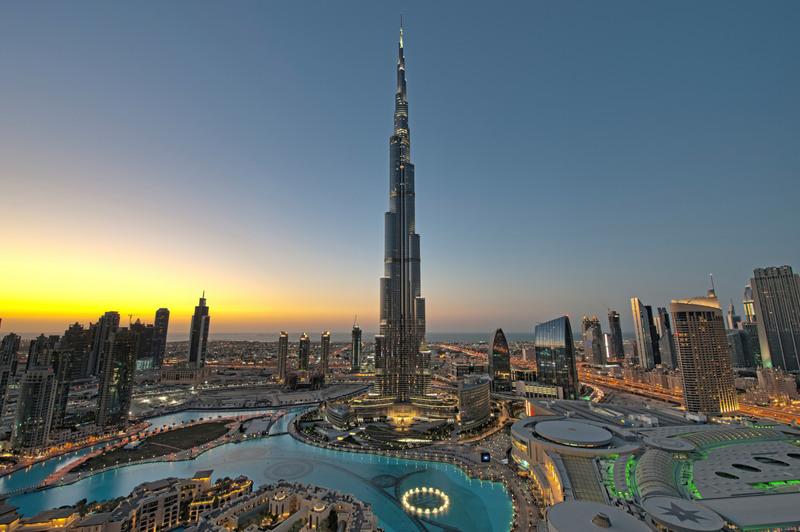
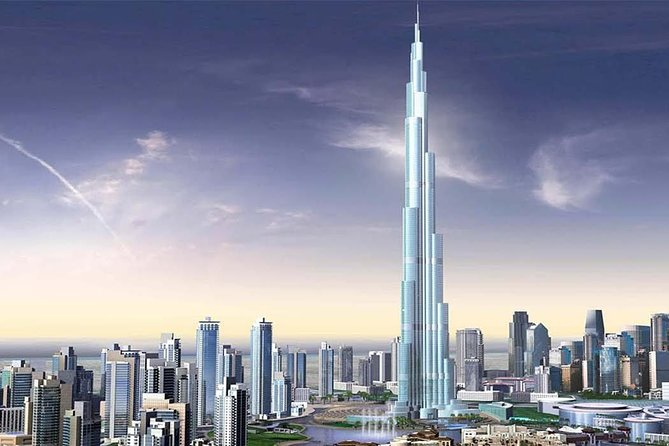
Standing at an astonishing height, Burj Khalifa remains the tallest building in the world. Its sleek, tapering design was inspired by Islamic architecture and desert flowers. Beyond its height record, it holds multiple titles, including the highest observation deck and the tallest occupied floor. Burj Khalifa is not just a building; it is a global symbol of modern Dubai.
Shanghai Tower, China
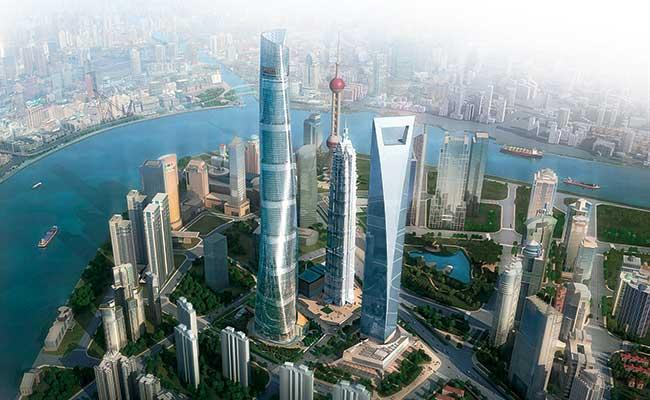
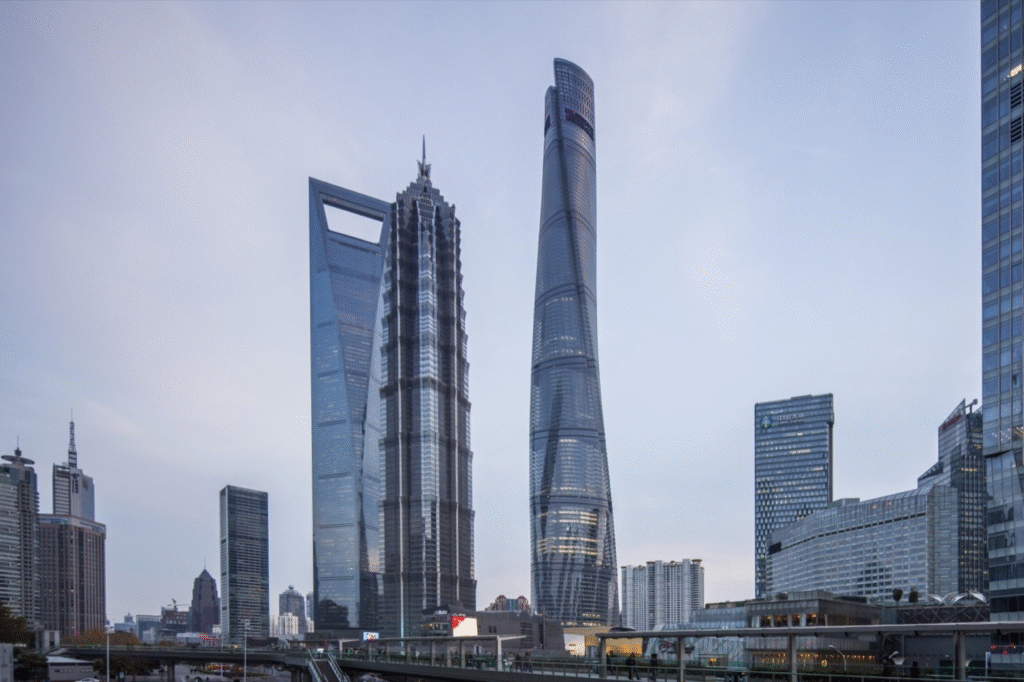
The Shanghai Tower is famous for its twisting form, which reduces wind load and improves structural stability. It also focuses heavily on sustainability, using energy-efficient systems and rainwater collection. As one of the tallest buildings in the world, it represents how modern skyscrapers are becoming smarter and greener.
Makkah Royal Clock Tower, Saudi Arabia
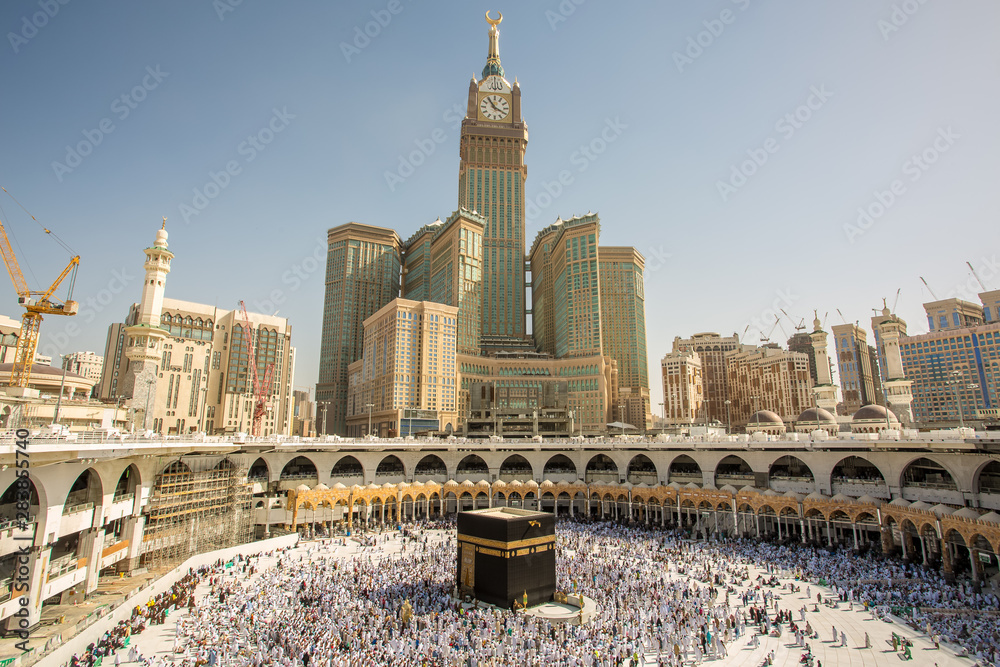
This building stands out not only for its height but also for its purpose. Located near the Grand Mosque in Mecca, it serves millions of pilgrims each year. The massive clock faces are among the largest in the world, making it a unique blend of religious significance and modern engineering.
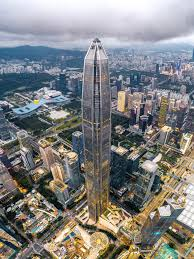
Ping An Finance Centre, Shenzhen
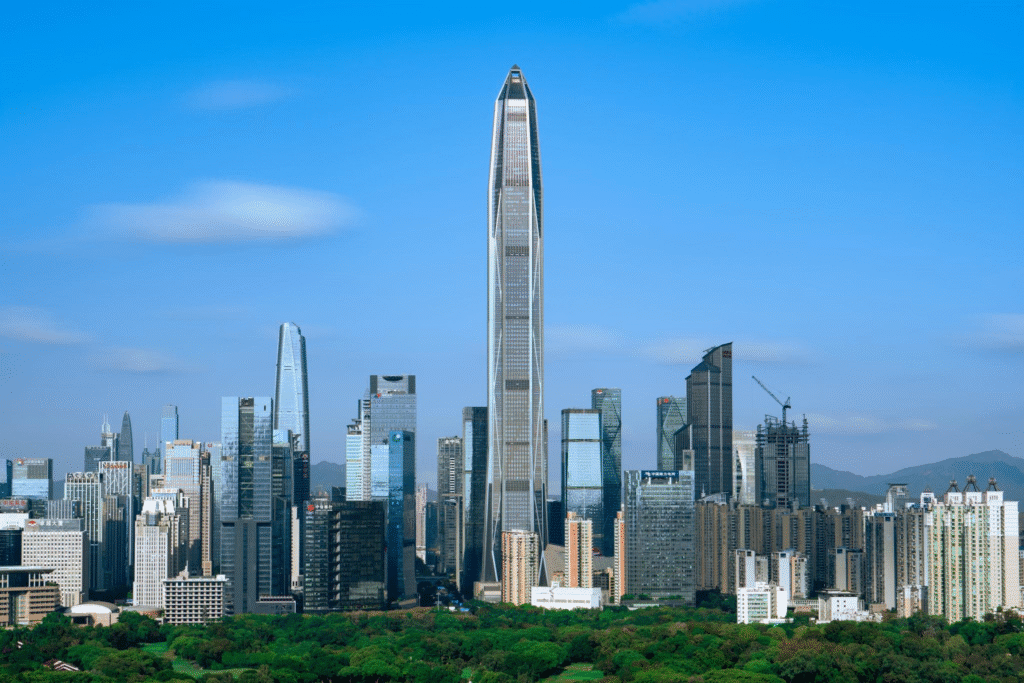
Designed with a smooth, aerodynamic shape, this skyscraper emphasizes safety and efficiency. It houses offices, hotels, and retail spaces, reflecting how tall buildings are increasingly multi-functional rather than serving a single purpose.
Design Secrets Behind Super Tall Skyscrapers
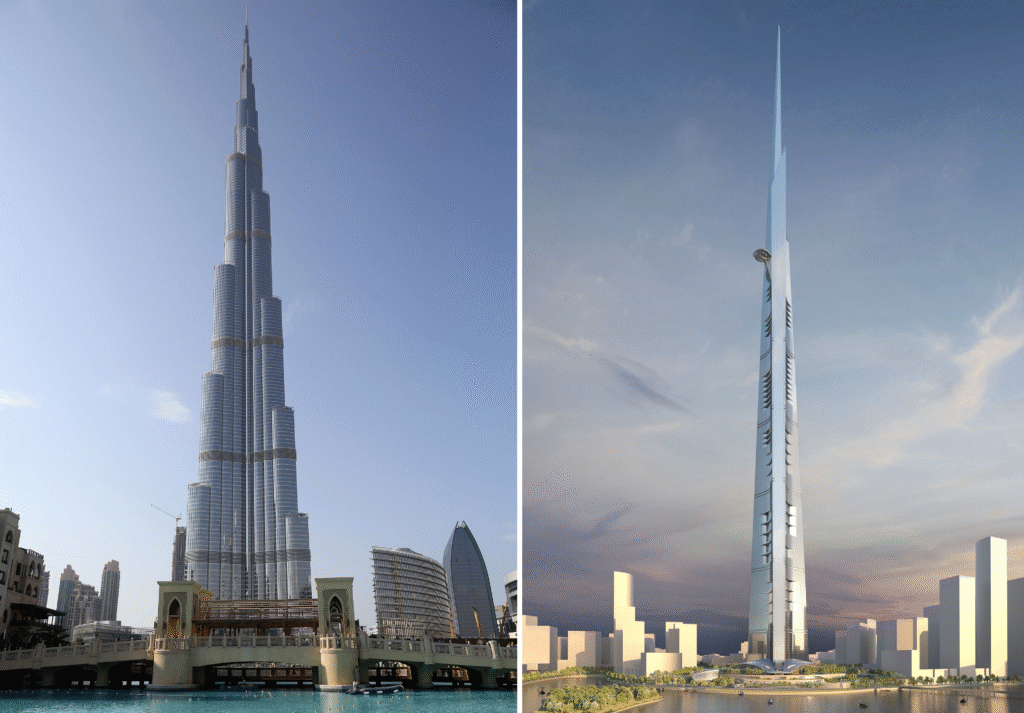
Building extremely tall structures is not just about stacking floors. Architects and engineers must overcome complex challenges, and design plays a crucial role.
One key design approach is aerodynamic shaping. Many skyscrapers narrow or twist as they rise to reduce wind resistance. This not only improves safety but also increases comfort for people inside.
Another critical factor is the core structure. Modern tall buildings rely on reinforced concrete cores and advanced steel frameworks that distribute weight evenly. These systems allow buildings to stand strong even during strong winds or earthquakes.
Materials also matter. High-strength concrete, advanced steel alloys, and lightweight glass help reduce overall load while maintaining durability. At the same time, design aesthetics ensure that these massive structures remain visually appealing rather than overwhelming.
The Role of Technology in Reaching New Heights
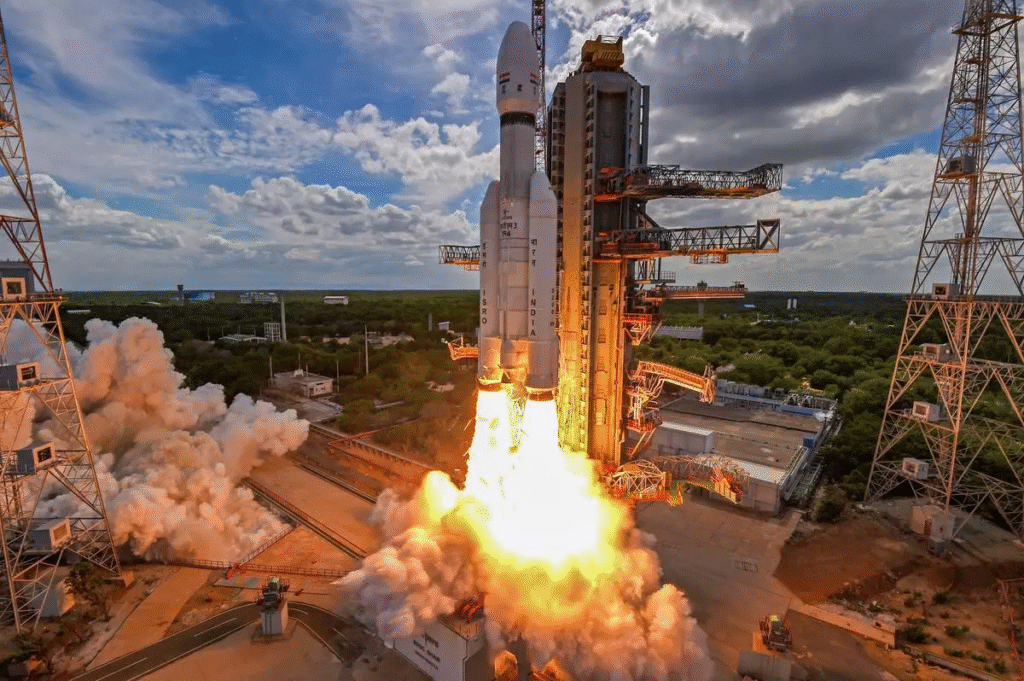

Technology has transformed skyscraper construction. Computer simulations now allow engineers to test designs against wind, heat, and seismic forces before construction begins. This reduces risks and improves efficiency.
ZElevator technology has also evolved. High-speed elevators with smart systems make it possible to move thousands of people efficiently within a single building. Without these innovations, super tall buildings would not be practical for daily use.
Sustainability technology is another game changer. Many of the world’s tallest buildings now use energy-efficient lighting, smart climate control, and renewable energy sources. These features reduce environmental impact and lower long-term operating costs.
Future Giants: What’s Coming Next
The race to build taller buildings is far from over. Several future projects aim to surpass current records or introduce revolutionary concepts.
One of the most talked-about future giants is the Jeddah Tower in Saudi Arabia. Planned to exceed one kilometer in height, it represents a new milestone in human construction. Although progress has faced delays, the vision behind it continues to inspire architects worldwide.
Other proposed skyscrapers focus less on breaking height records and more on innovation. Vertical cities with residential areas, offices, schools, and green spaces are being designed to support sustainable urban living. These future giants may not always be the tallest, but they could be the most livable.
There is also growing interest in eco-friendly mega-structures. Architects are exploring the use of green walls, sky gardens, and net-zero energy systems to ensure that future skyscrapers contribute positively to the environment.
How Tall Is Too Tall?
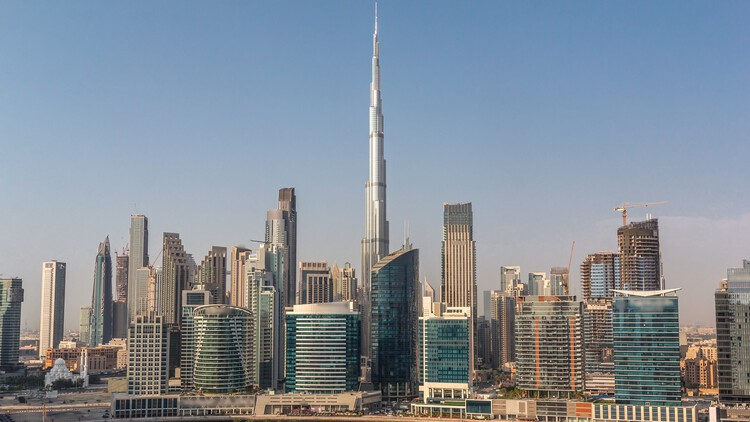
As buildings grow taller, questions arise about practicality and purpose. Extremely tall structures require massive investment, advanced technology, and long construction timelines. Critics argue that beyond a certain height, costs outweigh benefits.
However, supporters believe that tall buildings will remain essential for dense cities with limited land. With better materials and smarter design, skyscrapers can continue to evolve without sacrificing safety or comfort.
Ultimately, the future of tall buildings will depend on a balance between ambition, sustainability, and human needs.
Final Thought
The tallest buildings in the world are more than engineering achievements—they are reflections of human imagination and determination. From record-breaking heights to innovative designs and futuristic concepts, these giants show how far architecture has come and hint at what lies ahead. As cities continue to grow, skyscrapers will play a vital role in shaping skylines and redefining how we live and work in the modern world.
Disclaimer: This content is for informational purposes only. Building heights, rankings, and future project details may change over time due to construction updates, design revisions, or official reclassifications.
#TallestBuildings #WorldSkyscrapers #ArchitectureDesign #FutureSkylines #EngineeringMarvels #UrbanDevelopment #Anslation #Carrerbook